



The 3D Shaker Screen has become a cornerstone of modern industrial filtration, enabling precise solid-liquid separation in harsh operating conditions. As industries demand higher throughput and finer filtration, the role of advanced mesh materials continues to expand across sectors such as oil and gas, chemical processing, water treatment, and mining.
The Evolution of Industrial Filtration Media
Industrial filtration has undergone significant transformation over the past few decades. Traditional methods relying on loose media or simple woven cloth have given way to engineered mesh solutions that offer precise pore sizes, high mechanical strength, and excellent chemical resistance. Among these innovations, sintered mesh has emerged as a preferred choice for applications requiring consistent filtration performance under extreme conditions.
The development of multi-layer sintered mesh structures has enabled manufacturers to achieve a balance between filtration fineness and mechanical durability. These materials are now widely used in polymer filtration, pharmaceutical processing, and petrochemical applications where even minor variations in pore size can lead to product quality issues.
Sintered Mesh: A Closer Look at Structure and Performance
Sintered mesh is produced by bonding multiple layers of woven wire mesh through a high-temperature diffusion process. This creates a rigid, porous structure with precisely controlled pore sizes ranging from sub-micron to several hundred microns. The sintering process eliminates the need for binders or adhesives, resulting in a material that is chemically inert and thermally stable.
The key advantages of sintered mesh include excellent backwash capability, high dirt-holding capacity, and resistance to pressure surges. These properties make it ideal for continuous processes where downtime for filter replacement must be minimized. Industries such as fine chemicals, food and beverage, and wastewater treatment have adopted sintered mesh as a standard filtration medium.
Supporting Materials in Filtration Systems
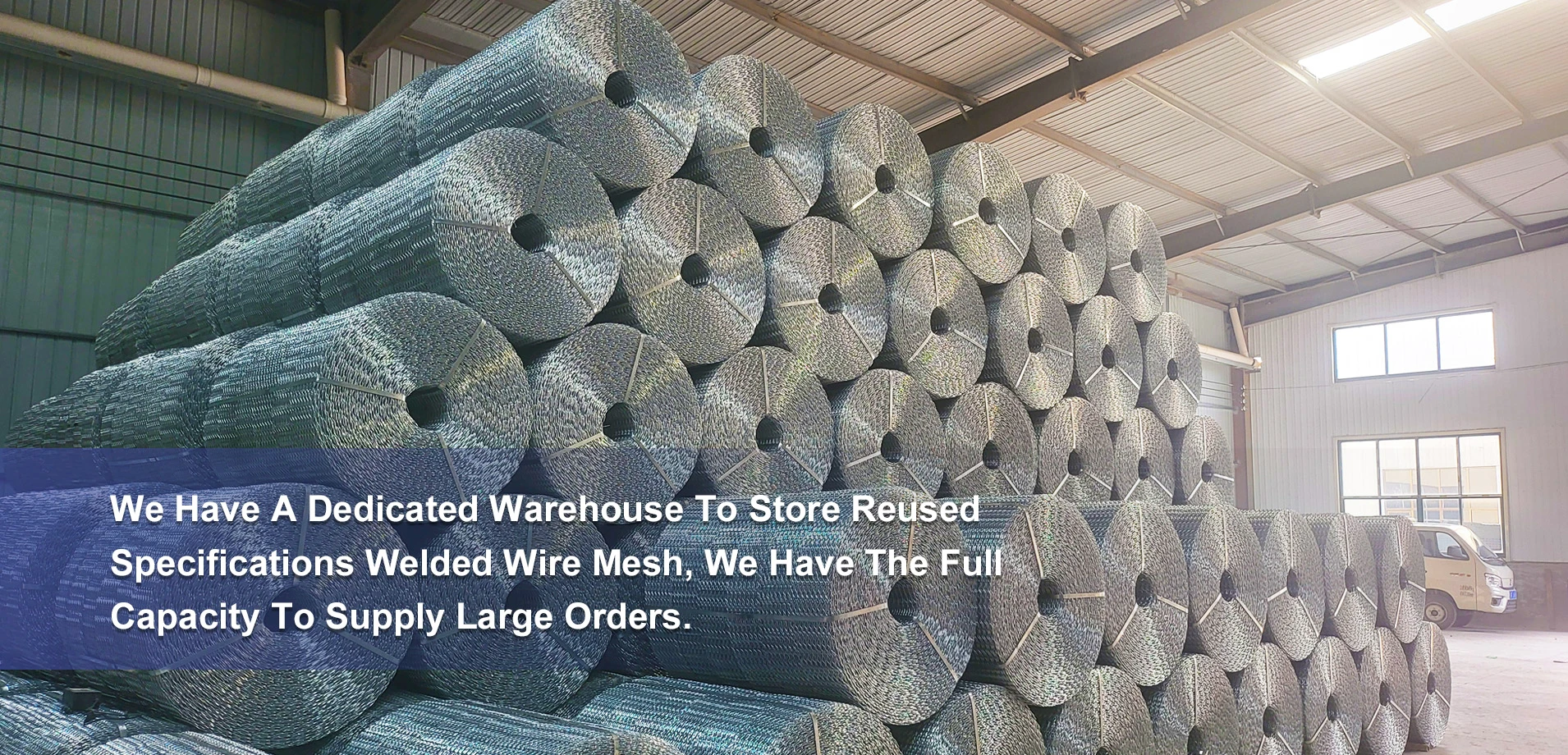
While sintered mesh often serves as the primary filtration layer, the overall performance of a filtration system depends on the quality of supporting materials as well. Welded wire mesh, for instance, is commonly used as a drainage layer or support structure in filter presses, centrifuges, and shaker screens. The dimensional stability and consistent opening sizes of welded wire mesh contribute to reliable filtration performance.
In the oil and gas industry, the Steel Frame Shale Shaker Screen is a critical component for separating drilling cuttings from mud. These screens must withstand high vibration loads and abrasive conditions while maintaining precise cut points. The combination of a robust steel frame and high-quality mesh ensures long service life and consistent performance in demanding drilling environments.
Beyond shaker screens, welded wire mesh finds applications in pipe coating protection, where it provides mechanical reinforcement for anti-corrosion coatings. This is particularly important in pipeline systems used for oil and gas transport, where coating integrity is essential for long-term asset protection.
Key Considerations for Selecting Mesh Materials
Choosing the right mesh material for a filtration application requires careful evaluation of several factors. The operating temperature and chemical environment determine the suitable wire material, whether stainless steel, nickel alloy, or other specialty metals. The required filtration fineness dictates the mesh count and weave pattern, while the flow rate and pressure drop specifications influence the open area and thickness of the mesh.
Mechanical properties such as tensile strength and burst pressure are critical for high-pressure applications. Mesh materials must be tested for compliance with international standards to ensure consistent quality. Manufacturers with comprehensive testing capabilities, including tensile testing and galvanizing detection, can provide the reliability assurance that industrial users require.
Future Trends in Filtration Technology
The filtration industry is moving toward higher efficiency and sustainability. Advanced mesh structures with optimized pore geometry are being developed to achieve finer filtration with lower energy consumption. The integration of smart monitoring systems with filtration equipment is also gaining traction, enabling real-time performance tracking and predictive maintenance.
As environmental regulations tighten and industries seek to reduce waste, the demand for durable and reusable filtration media will continue to grow. Mesh-based filtration solutions, with their ability to be cleaned and reused, align well with circular economy principles. The ongoing collaboration between mesh manufacturers and end-users will drive further innovations in material science and application engineering.
In conclusion, the success of industrial filtration systems depends on the thoughtful integration of multiple components, from primary filtration media to supporting structures. By understanding the strengths and limitations of each material, engineers can design systems that deliver optimal performance, reliability, and cost-effectiveness over the long term.