



Steel Fence systems have long been the backbone of perimeter security, yet the materials and manufacturing processes behind them are undergoing a transformation that few outside the industry have noticed.
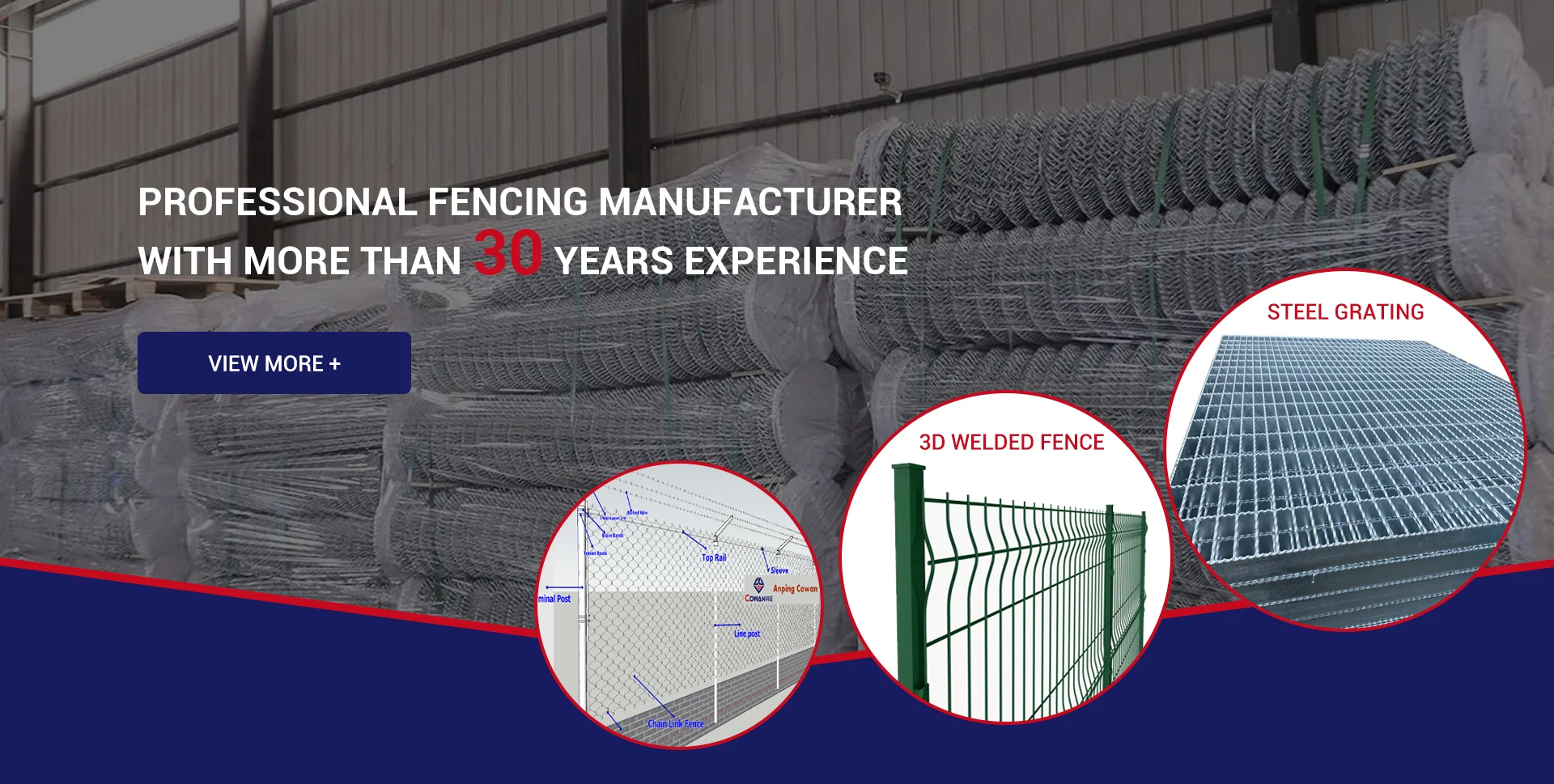
The shift is driven by innovations in wire mesh production equipment—specifically, the integration of precision roll-forming, automated PLC control systems, and advanced surface-treatment technologies that extend the service life of steel fencing in harsh environments.
The Hidden Link Between Mesh Quality and Perimeter Protection
For installers and specifiers, the final fence is only as good as the wire mesh that forms it. Variations in wire diameter, weave consistency, and coating adhesion directly translate to weak points in a security barrier. Modern production lines now employ closed-loop tension control and real-time dimensional monitoring to ensure every metre of mesh meets tight tolerances. This level of consistency was once reserved for high-end architectural mesh, but it is increasingly becoming the standard for security-grade fencing.
One of the most significant developments is the move toward in-house surface treatment. Hot-dip galvanizing, electro-galvanizing, and PVC coating lines are now being integrated directly into mesh production facilities, eliminating the need for third-party processing and the associated quality risks. Equipment manufacturers based in Anping, China—long recognised as the global centre for wire mesh production—have pioneered compact, automated coating lines that achieve uniform coverage while reducing energy consumption by up to 30 percent compared to traditional batch processing.
Why Corrosion Resistance Matters More Than Ever
Perimeter security installations are expected to perform for decades with minimal maintenance. In coastal, industrial, or high-humidity environments, corrosion is the single greatest threat to fence integrity. Advanced hot-dip galvanizing processes now achieve zinc coatings that adhere at the molecular level, creating a barrier that remains intact even when the mesh is cut or drilled during installation. PVC-coated variants add an additional layer of protection against UV degradation and chemical exposure.
The Steel Defensive Barrier category, which includes anti-climb and anti-cut fencing for high-security sites, has benefited enormously from these coating advances. A well-coated mesh can withstand corrosion for 15–20 years in aggressive environments, dramatically reducing lifecycle costs for facility managers.
Automation and the New Economics of Mesh Production
Labour costs and skilled-worker shortages are pushing fence manufacturers to automate. Modern production lines now require only a handful of operators to oversee the entire process from coil feeding to finished mesh stacking. Programmable logic controllers manage roll-forming speeds, weld parameters, and coating temperatures, allowing a single line to switch between mesh patterns with minimal downtime. This flexibility is particularly valuable for custom-security projects where panel dimensions and wire gauges vary.
The return on investment for such equipment is compelling. Manufacturers report that automated lines can achieve throughput rates of 10–15 linear metres per minute for standard mesh, with scrap rates below 1 percent. For a facility producing 1.8 million standard metres annually—a capacity now common among mid-sized producers—the operational savings can fund the equipment cost within two years.
What This Means for Security Specifiers
For architects, security consultants, and facility owners, the takeaway is clear: the quality of the wire mesh production line directly determines the performance of the finished fence. When evaluating suppliers, it is worth asking about their manufacturing equipment—whether they use open-loop or closed-loop tension control, the type of coating process, and the tolerances they maintain. Suppliers who invest in modern production technology are able to offer more consistent products, better corrosion warranties, and shorter lead times.
The perimeter security industry is moving toward a future where intelligent automation and advanced materials science converge. Mesh production equipment that integrates both—like the lines emerging from Anping’s specialist manufacturers—will define the next generation of protective barriers.