



Introduction
Rust resistant drywall screws are mechanically fastened components utilized in the interior construction of buildings, specifically for securing drywall (gypsum board) to wood or metal framing. They represent a crucial element in modern construction practices, distinguished by their engineered resistance to corrosion, a significant upgrade over conventional drywall screws. Within the broader fastening industry, they occupy a niche demanding specialized material science and coating technologies, addressing the inherent vulnerabilities of gypsum board and surrounding environments to moisture and subsequent structural degradation. Core performance characteristics include shear strength, tensile strength, and the effectiveness of the corrosion-resistant coating, all of which directly impact the long-term integrity and safety of interior wall and ceiling assemblies. The increasing emphasis on building durability and reduced maintenance has driven demand for these specialized fasteners, particularly in regions with high humidity or where moisture intrusion is a concern. Addressing the common pain points of corrosion-induced fastener failure and drywall detachment is central to their value proposition.
Material Science & Manufacturing
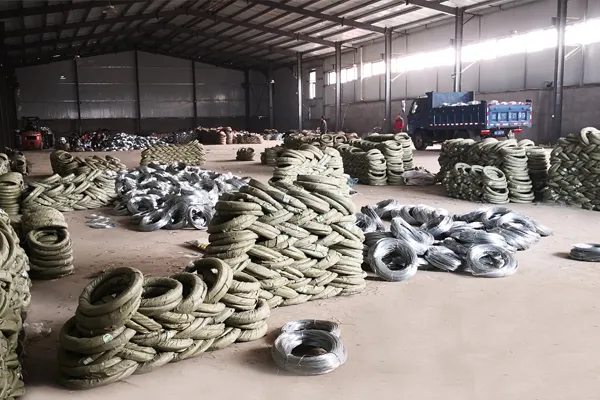
The foundational material for rust resistant drywall screws is typically carbon steel, selected for its balance of strength and cost-effectiveness. However, the defining characteristic lies in the corrosion protection applied to this base material. Common coating methods include zinc plating, often followed by a dichromate conversion coating for enhanced corrosion resistance. More advanced options encompass polymer coatings (e.g., epoxy, polyester) and, increasingly, stainless steel alloys (304, 316) for environments requiring maximum protection. The manufacturing process begins with wire drawing, forming the steel wire to the desired diameter. This wire is then fed into a cold heading machine, which forms the screw head and initiates the thread. Subsequent thread rolling operations refine the thread profile to meet specific dimensional standards. Critical parameters during manufacturing include maintaining precise head geometry for optimal countersinking and ensuring consistent thread pitch and depth for reliable engagement. Coating application is a multi-stage process requiring meticulous control of chemical bath composition, immersion time, and drying temperature to achieve a uniform and durable protective layer. Quality control involves rigorous testing of coating thickness, adhesion, and salt spray resistance (per ASTM B117) to verify performance. Hydrogen embrittlement is a potential concern during zinc plating, requiring post-plating baking to diffuse hydrogen and restore ductility.
Performance & Engineering
Performance of rust resistant drywall screws is fundamentally dictated by their ability to withstand shear and tensile forces during installation and over the lifespan of the structure. Shear strength is particularly crucial when securing drywall to wood framing, as it resists the force applied perpendicular to the screw axis. Tensile strength, on the other hand, becomes more relevant when attaching drywall to metal studs, where the screw is subjected to a direct pulling force. Environmental resistance, particularly to humidity and salt spray, is paramount. Engineering considerations include the screw’s thread design, which influences holding power and ease of installation. Self-drilling screws, for example, incorporate specialized tip geometries to minimize pre-drilling requirements, particularly when working with metal studs. Compliance with building codes (e.g., ICC-ES reports) is critical, ensuring the screws meet minimum performance standards for structural applications. The coating’s effectiveness is directly linked to its ability to inhibit electrochemical corrosion. This is influenced by factors such as coating thickness, porosity, and the presence of defects. Galvanic corrosion, where dissimilar metals come into contact in the presence of an electrolyte, must also be considered when selecting screw materials and coatings compatible with the surrounding framing materials.
Technical Specifications
| Diameter (inches) | Length (inches) | Head Type | Coating Type |
|---|---|---|---|
| 0.125 | 1 1/4 | Bugle | Zinc Plated with Dichromate |
| 0.125 | 1 5/8 | Bugle | Zinc Plated with Dichromate |
| 0.125 | 2 | Bugle | Epoxy Coated |
| 0.148 | 1 1/4 | Bugle | Stainless Steel (304) |
| 0.148 | 1 5/8 | Bugle | Stainless Steel (304) |
| 0.148 | 2 | Bugle | Zinc Plated with Dichromate |
Failure Mode & Maintenance
Failure modes in rust resistant drywall screws typically stem from coating degradation, leading to corrosion of the underlying steel. Common failure mechanisms include pitting corrosion, crevice corrosion (particularly in areas where screws are tightly spaced), and galvanic corrosion. Hydrogen embrittlement, if not adequately addressed during manufacturing, can also lead to premature brittle fracture. Thread stripping, resulting from over-tightening or using screws with insufficient shear strength, is another prevalent issue. Fatigue cracking can occur in areas subjected to repeated stress, such as during seismic events. Maintenance is generally limited, as these screws are concealed within wall assemblies. However, proactive inspection of areas prone to moisture intrusion is advisable. If corrosion is detected, replacement of the affected screws is recommended. Using compatible corrosion-resistant screws during repairs is crucial to prevent accelerated corrosion of surrounding fasteners. Avoiding over-tightening during installation is a preventative measure against thread stripping. Regular monitoring of humidity levels and addressing any water leaks promptly can significantly extend the lifespan of the screw assemblies. Implementing proper ventilation in high-humidity areas further mitigates corrosion risks.
Industry FAQ
Q: What differentiates a ‘rust resistant’ screw from a standard drywall screw in terms of long-term performance in a humid environment?
A: Standard drywall screws typically utilize a basic zinc plating, offering minimal corrosion protection. Rust resistant screws employ thicker, more durable coatings – such as advanced zinc alloys, polymer coatings, or stainless steel – specifically engineered to withstand prolonged exposure to high humidity and prevent the formation of rust, ensuring structural integrity over an extended period.
Q: How does the type of framing material (wood vs. metal) influence the selection of a rust-resistant drywall screw?
A: When used with wood framing, corrosion resistance is primarily focused on protecting the screw itself from moisture. However, with metal framing, galvanic corrosion becomes a significant concern. Therefore, screws used with metal studs should be selected to be compatible with the stud material (e.g., stainless steel screws with stainless steel studs) to avoid accelerated corrosion.
Q: What are the limitations of zinc plated screws, even with dichromate conversion coating, in coastal or saltwater environments?
A: While zinc plating with dichromate provides improved corrosion resistance, it is still susceptible to corrosion in harsh saltwater environments. The chloride ions present in saltwater can penetrate the coating and initiate corrosion of the underlying steel. Stainless steel screws (316 grade) are typically recommended for these applications due to their superior resistance to chloride-induced corrosion.
Q: Can I use standard drill drivers with rust resistant drywall screws, or do I need specialized equipment?
A: Standard drill drivers equipped with appropriate drywall screw bits can generally be used. However, it’s crucial to use adjustable clutches to prevent over-tightening, which can strip the threads or damage the drywall. Self-drilling screws, designed for metal studs, may require a higher torque setting.
Q: What certifications or standards should I look for when purchasing rust-resistant drywall screws to ensure quality and performance?
A: Look for screws that meet ASTM C1005 standards for drywall screws and have ICC-ES reports verifying their performance characteristics. Additionally, ensure the coating meets relevant corrosion resistance standards, such as ASTM B117 for salt spray testing. Product labeling should clearly indicate the coating type and material grade.
Conclusion
Rust resistant drywall screws are a critical component in durable, long-lasting interior construction. Their effectiveness is contingent upon a complex interplay of material science, manufacturing precision, and environmental considerations. Selecting the appropriate screw type, based on the framing material, humidity levels, and potential for saltwater exposure, is paramount to preventing premature failure and ensuring structural integrity.
The continued evolution of coating technologies, particularly the development of more environmentally friendly alternatives to traditional chromate conversion coatings, will further enhance the performance and sustainability of these essential fasteners. Proper installation techniques, including avoiding over-tightening and utilizing compatible materials, remain crucial for maximizing their lifespan and minimizing maintenance requirements.