



Introduction
Sheetrock mounting screws, also known as drywall screws, are a critical fastening component within the building construction industry, specifically for the installation of gypsum wallboard (drywall) to wood or metal framing. These screws are distinct from general-purpose wood screws due to their specialized thread design, hardened steel composition, and bugle head, all engineered to provide secure attachment without tearing the paper facing of the drywall. Their performance directly impacts the structural integrity and aesthetic finish of interior walls and ceilings. The selection of the appropriate screw type, length, and gauge is paramount to prevent issues like popping, crumbling, or failure of the drywall installation. This guide provides an in-depth analysis of sheetrock mounting screws, covering material science, manufacturing processes, performance characteristics, failure modes, and relevant industry standards.
Material Science & Manufacturing
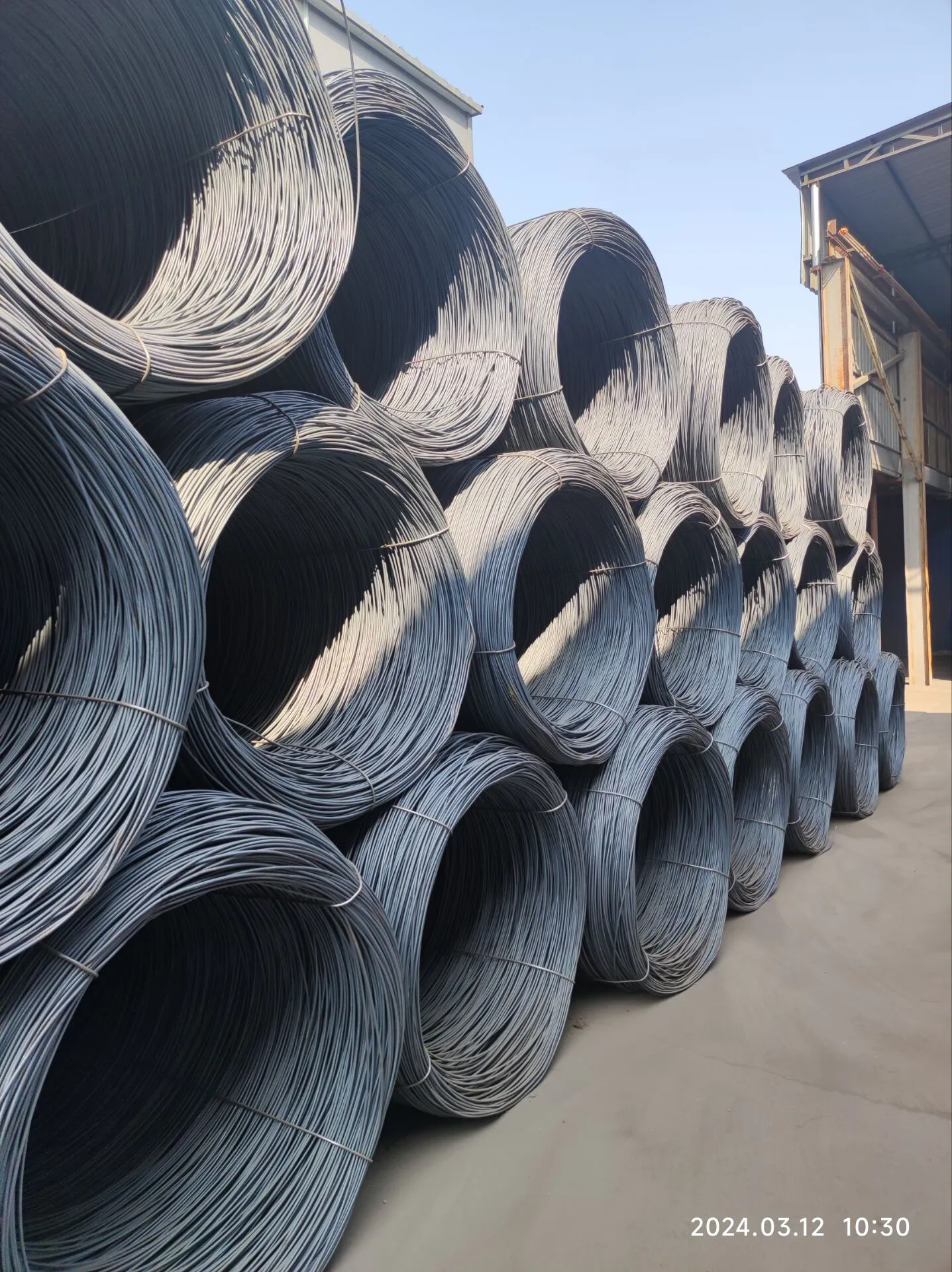
Sheetrock mounting screws are predominantly manufactured from medium-carbon steel (typically C1018 or C1022), chosen for its balance of strength, ductility, and cost-effectiveness. The steel undergoes a cold-heading process, where a wire is fed into a die and formed into the screw shape. This process work-hardens the steel, increasing its tensile strength. The screw threads are then rolled, rather than cut, which further enhances strength and minimizes stress concentrations. The bugle head is formed simultaneously with the thread rolling process. A phosphate coating (typically zinc phosphate) is applied as a corrosion inhibitor and to provide a better surface for paint adhesion. For applications requiring greater corrosion resistance, screws may receive additional coatings such as galvanized zinc or ceramic coatings.
Material Properties: Steel composition significantly impacts screw performance. Carbon content affects hardness and brittleness; manganese contributes to strength and hardenability. Phosphorous and sulfur are present in controlled amounts to improve machinability. The yield strength of the steel typically ranges from 85,000 to 120,000 psi, while tensile strength falls between 100,000 and 160,000 psi. Rockwell hardness (C scale) is usually between 32 and 45. The diameter of the screw (gauge) influences its shear strength and pull-out resistance. Screw length is determined by the combined thickness of the drywall and framing material, with a minimum penetration depth into the framing member required for adequate holding power.
Manufacturing Parameter Control: Precise control of cold-heading pressure, die geometry, and thread rolling parameters is crucial for maintaining consistent screw dimensions and mechanical properties. Surface finish, achieved through phosphate coating processes, must be uniform and free from defects to ensure corrosion resistance and paint adhesion. Quality control checks include dimensional verification, hardness testing, and coating thickness measurements.
Performance & Engineering
The performance of sheetrock mounting screws hinges on their ability to resist shear forces, tensile forces (pull-out), and bending moments. Shear forces arise from lateral loads applied to the wall, while tensile forces occur when the screw attempts to be pulled out of the framing member. Bending moments are induced when the drywall deflects under load. The thread design is critical for maximizing pull-out resistance. Coarse threads are generally preferred for wood framing, as they provide greater holding power in softer materials. Fine threads are more suitable for metal framing, offering increased shear strength. The bugle head is engineered to embed slightly into the drywall surface without breaking the paper facing, ensuring a secure and aesthetically pleasing installation.
Force Analysis: The holding power of a screw can be calculated using equations that consider the screw’s shear strength, tensile strength, and the material properties of both the drywall and the framing member. Factors influencing holding power include screw diameter, thread pitch, engagement length (penetration depth), and the density of the framing material. Environmental Resistance: While phosphate coatings provide a degree of corrosion protection, screws used in high-humidity environments or exposed to corrosive substances may require galvanized or ceramic coatings. Temperature fluctuations can cause expansion and contraction of the materials, potentially leading to screw loosening over time.
Compliance Requirements: Sheetrock mounting screws must meet ASTM C1002 standards for performance requirements. Building codes often specify the spacing and penetration depth of screws to ensure structural integrity. Proper installation techniques, including avoiding overdriving or stripping of screws, are crucial for achieving optimal performance and compliance.
Technical Specifications
| Screw Type | Gauge (Diameter) | Length (inches) | Head Type |
|---|---|---|---|
| Drywall Screw (Coarse Thread) | #6 | 1 1/4 | Bugle |
| Drywall Screw (Coarse Thread) | #8 | 1 5/8 | Bugle |
| Drywall Screw (Fine Thread) | #6 | 1 | Bugle |
| Drywall Screw (Fine Thread) | #8 | 1 1/4 | Bugle |
| Self-Drilling Drywall Screw | #8 | 1 5/8 | Bugle |
| Corrosion-Resistant Drywall Screw (Zinc Coated) | #8 | 1 5/8 | Bugle |
Failure Mode & Maintenance
Sheetrock mounting screws are susceptible to several failure modes. Fatigue cracking can occur under cyclic loading, particularly in areas subjected to vibrations or repeated stress. Stripping of the screw head is a common failure, often caused by over-tightening or using an incorrect driver bit. Shear failure can occur when the screw is subjected to excessive lateral loads, exceeding its shear strength. Pull-out failure happens when the screw loses its grip on the framing member, often due to insufficient penetration depth or damaged wood. Corrosion can weaken the screw over time, especially in humid environments or when exposed to corrosive substances. Hydrogen Embrittlement, though less common, can occur with high-strength screws in the presence of hydrogen, leading to brittle fracture.
Maintenance Solutions: Regular inspection of drywall installations can help identify loose or damaged screws. Loose screws should be re-tightened, but care must be taken to avoid stripping the head. Stripped screws should be replaced with new screws of the appropriate size and type. In areas prone to corrosion, consider using corrosion-resistant screws or applying a protective coating. Preventative maintenance includes ensuring proper screw spacing and penetration depth during installation, and avoiding overdriving of screws. Addressing drywall cracks or popping promptly can prevent further damage and potential screw failure.
Industry FAQ
Q: What is the primary difference between coarse and fine thread drywall screws, and when should each be used?
A: Coarse thread drywall screws are designed for use with wood framing. The wider thread pitch provides greater holding power in softer wood fibers. Fine thread drywall screws are engineered for metal framing. The finer thread pitch offers increased shear strength and reduces the risk of stripping in metal studs, which are harder to penetrate.
Q: What is the significance of the bugle head design on drywall screws?
A: The bugle head is designed to embed slightly into the drywall surface without tearing the paper facing. This ensures a secure attachment that doesn’t compromise the integrity of the drywall. A properly embedded bugle head allows for easier filling and finishing, resulting in a smooth, seamless appearance.
Q: What causes drywall screws to "pop" over time, and how can this be prevented?
A: "Popping" is typically caused by movement of the wood framing members due to seasonal changes in humidity. As the wood expands and contracts, it can exert pressure on the screws, causing them to back out slightly. Proper screw penetration depth (at least 1 inch into the framing member) and using screws of the correct length can minimize this issue. Using a higher-quality screw with improved thread design also helps.
Q: What level of corrosion resistance should I expect from standard phosphate-coated drywall screws?
A: Phosphate coatings offer a moderate level of corrosion resistance, suitable for most interior applications. However, in high-humidity environments or areas exposed to moisture, galvanized or ceramic-coated screws are recommended for long-term durability. The choice depends on the severity of the corrosive environment.
Q: Are self-drilling drywall screws always necessary when installing drywall to metal studs?
A: Self-drilling screws are beneficial when working with thicker metal studs or when precise alignment is critical. They eliminate the need for pre-drilling pilot holes, saving time and reducing the risk of stud distortion. However, standard fine-thread screws can be used effectively if pilot holes are pre-drilled, ensuring proper alignment and preventing stripping.
Conclusion
Sheetrock mounting screws, while seemingly simple fasteners, are crucial components in modern building construction. Their performance is governed by a complex interplay of material science, manufacturing processes, and engineering principles. Proper screw selection, based on framing material, environmental conditions, and load requirements, is essential for achieving a durable, structurally sound, and aesthetically pleasing drywall installation. Understanding the potential failure modes and implementing preventative maintenance measures further extends the lifespan and reliability of these critical fasteners.
Future developments in sheetrock screw technology may focus on enhanced corrosion resistance through advanced coatings, improved thread designs for greater pull-out strength, and the integration of smart features such as embedded sensors for monitoring screw tightness and detecting potential issues. A continued emphasis on rigorous quality control and adherence to industry standards will remain paramount to ensuring the consistent performance and safety of sheetrock mounting screws.