



Introduction
Tornado drywall screws are a specialized type of fastening system employed extensively in the interior construction industry. Positioned within the building materials supply chain, these screws represent a critical component in the assembly of drywall (gypsum board) to framing members, typically wood or metal studs. Unlike general-purpose screws, Tornado drywall screws are engineered with specific features to optimize performance for this application, primarily focusing on secure holding power, consistent depth control, and minimizing damage to the drywall face paper. Core performance metrics include shear strength, tensile strength, withdrawal resistance, and the ability to maintain structural integrity under varying load conditions and environmental factors. A primary industry pain point is achieving consistent drywall finishing quality, avoiding ‘popped’ screws that compromise aesthetics and structural stability. Tornado screws aim to mitigate this issue through optimized thread geometry and hardened steel construction.
Material Science & Manufacturing
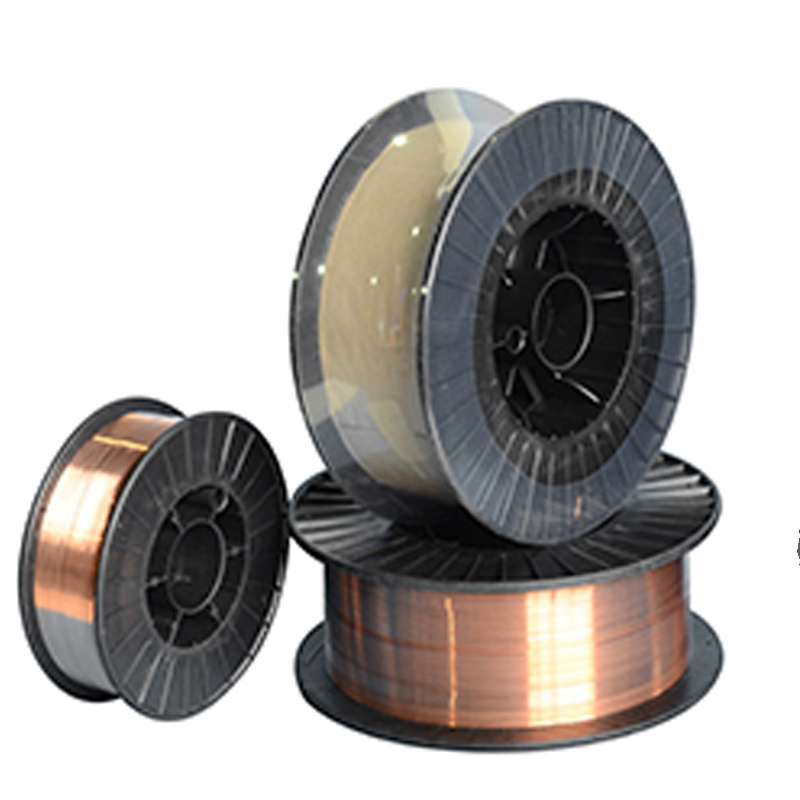
The primary raw material for Tornado drywall screws is typically carbon steel, specifically AISI 1022 or equivalent. This steel is selected for its balance of strength, ductility, and cost-effectiveness. The steel undergoes a cold-heading process where wire is fed into a machine that forms the screw head and begins the thread formation. The steel’s carbon content (approximately 0.22%) imparts sufficient hardenability during subsequent heat treatment. Critical physical properties include a tensile strength of 850-1000 MPa and a yield strength of 600-750 MPa. Manufacturing involves several stages: wire drawing to achieve precise diameter control, cold heading to form the screw shape, thread rolling (using hardened dies), heat treatment (carburizing or quench and temper) to enhance hardness and core toughness, and finally, coating. Coating materials commonly include zinc plating (for corrosion resistance) or phosphate conversion coating (for improved paint adhesion). The phosphate coating provides a textured surface that enhances the grip of the screw into the drywall. Parameter control during thread rolling is paramount; inconsistencies in thread pitch or depth can significantly reduce holding power. The screw tip is often sharpened to a self-drilling point, minimizing pre-drilling requirements in wood framing. Chemical compatibility with drywall paper (cellulose-based) and gypsum core is crucial, requiring coatings that do not promote corrosion or staining.
Performance & Engineering
The performance of Tornado drywall screws is dictated by several engineering principles. Shear strength is critical for resisting lateral forces applied to the drywall panel, preventing racking and deformation. Tensile strength is important for maintaining the screw’s integrity under pull-out forces. Withdrawal resistance, the force required to remove the screw from the substrate, is particularly crucial. This is influenced by thread geometry, screw length, and the density of the framing material. Finite Element Analysis (FEA) is often employed during the design phase to optimize thread design and screw geometry for maximum holding power. Environmental resistance is another important factor. Exposure to moisture can lead to corrosion of the steel, reducing its strength and potentially causing staining. Therefore, protective coatings are essential. Compliance requirements, such as those specified by ASTM C1002 (Standard Specification for Drywall Screws), dictate minimum performance characteristics. The bugle head design is engineered to seat slightly below the drywall surface without tearing the paper face, allowing for smooth joint compound application. The depth control feature, typically a collar on the screw head, prevents over-driving, which can compromise the drywall’s structural integrity. Force analysis involves calculating the load distribution between the screw thread and the surrounding material, optimizing the thread angle and pitch for maximum grip.
Technical Specifications
| Diameter (Gauge) | Length (inches) | Head Type | Point Type |
|---|---|---|---|
| #6 (3.5mm) | 1 1/4" (31.75mm) | Bugle | Self-Drilling |
| #7 (4.2mm) | 1 5/8" (41.28mm) | Bugle | Self-Drilling |
| #8 (4.8mm) | 1 5/8" (41.28mm) | Bugle | Self-Drilling |
| #8 (4.8mm) | 2" (50.8mm) | Bugle | Self-Drilling |
| #8 (4.8mm) | 2 1/2" (63.5mm) | Bugle | Self-Drilling |
| #8 (4.8mm) | 3" (76.2mm) | Bugle | Self-Drilling |
Failure Mode & Maintenance
Common failure modes of Tornado drywall screws include stripping of the screw head, thread shearing, withdrawal failure, and corrosion. Stripping occurs when the driver bit slips within the screw head recess, typically due to excessive torque or using an incorrect bit type. Thread shearing can occur when screws are over-tightened into harder framing materials, exceeding the steel’s shear strength. Withdrawal failure happens when the screw loses its grip in the substrate, often due to insufficient screw length or a damaged substrate. Corrosion, as previously mentioned, weakens the screw and can lead to staining. Fatigue cracking can occur in high-vibration environments, though this is less common in typical interior applications. Delamination of the drywall itself around the screw head can also appear to be a screw failure when the screw is properly installed. Maintenance primarily involves preventative measures – proper installation techniques, using correctly sized screws for the application, and avoiding over-tightening. If screws become loose or stripped, they should be replaced with new screws of the appropriate size and type. Regularly inspecting installed drywall for signs of ‘popped’ screws is crucial for identifying potential issues before they escalate. Applying a corrosion-resistant coating during installation in humid environments can extend screw life. Oxidation of the screw steel is a potential issue in very damp conditions.
Industry FAQ
Q: What is the difference between a drywall screw and a general-purpose wood screw?
A: Drywall screws are specifically designed for gypsum board applications. They have a bugle head to minimize drywall paper tearing and a sharp point for easy penetration. They also typically have a coarser thread pattern for better holding power in drywall. Wood screws have a different thread geometry optimized for wood fibers and usually a flat or countersunk head.
Q: How do I prevent drywall screws from stripping?
A: Use the correct driver bit size and type (Phillips or square drive), apply consistent and moderate pressure, and avoid over-tightening. Using a clutch setting on your drill can help prevent exceeding the appropriate torque. A worn driver bit will also increase the risk of stripping.
Q: What screw length should I use for 1/2" drywall?
A: Typically, a 1 1/4" screw is sufficient for attaching 1/2" drywall to wood studs. For metal studs, a 3/8" to 1/2" screw is generally recommended. Always verify compliance with local building codes.
Q: What does ‘self-drilling’ mean in the context of drywall screws?
A: Self-drilling screws have a sharp, pointed tip that allows them to penetrate drywall and wood framing without requiring pre-drilling. This simplifies installation and saves time.
Q: Are all drywall screws created equal in terms of corrosion resistance?
A: No. The type of coating applied to the screw significantly impacts its corrosion resistance. Zinc plating offers basic protection, while coatings like phosphate provide improved resistance, and stainless steel screws provide the highest level of corrosion resistance, but at a higher cost.
Conclusion
Tornado drywall screws are a critical fastening component in interior construction, engineered to provide secure and reliable attachment of drywall to framing members. Their performance is intrinsically linked to material selection, manufacturing precision, and adherence to industry standards like ASTM C1002. Understanding the underlying material science – specifically the properties of carbon steel and the role of coatings – is essential for selecting the appropriate screw for a given application and environment.
The ongoing trend towards more sustainable building practices will likely drive innovation in coating technologies, focusing on more environmentally friendly corrosion protection methods. Further optimization of thread geometry, potentially through advanced modeling techniques, could also lead to increased holding power and reduced installation effort. Proper installation techniques remain paramount to achieving long-term performance and avoiding common failure modes.