



Introduction
Waterproof drywall screws represent a critical fastening solution within the building materials industry, specifically addressing the limitations of standard drywall screws in moisture-prone environments. These screws are engineered to resist corrosion and maintain structural integrity when exposed to water, humidity, and other corrosive elements. Positioned within the construction supply chain, they are utilized in interior and exterior applications where conventional fasteners would rapidly degrade, leading to structural compromise and costly repairs. Their core performance characteristics revolve around enhanced corrosion resistance, high shear strength, and compatibility with various drywall materials. The increasing demand for these screws is driven by stricter building codes relating to moisture control, the rise in construction projects in humid climates, and a growing awareness of long-term building durability. This guide provides an in-depth exploration of waterproof drywall screws, covering material science, manufacturing processes, performance characteristics, failure modes, and relevant industry standards.
Material Science & Manufacturing
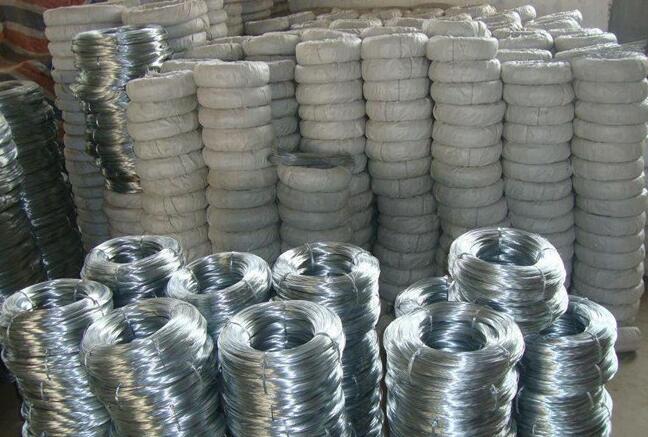
The core material for waterproof drywall screws is typically carbon steel, but the critical difference lies in the protective coatings applied. Common coatings include zinc plating (mechanized or electrolytic), polymer coating (often acrylic or polyester-based), and stainless steel variants (304 or 316). The selection of coating dictates the level of corrosion resistance. Mechanized zinc plating involves a mechanical impact process embedding zinc particles onto the steel, offering moderate protection. Electrolytic zinc plating provides a more uniform and thicker coating, enhancing resistance. Polymer coatings add an additional barrier, significantly improving performance in harsh environments. Stainless steel offers superior, albeit more expensive, corrosion resistance.
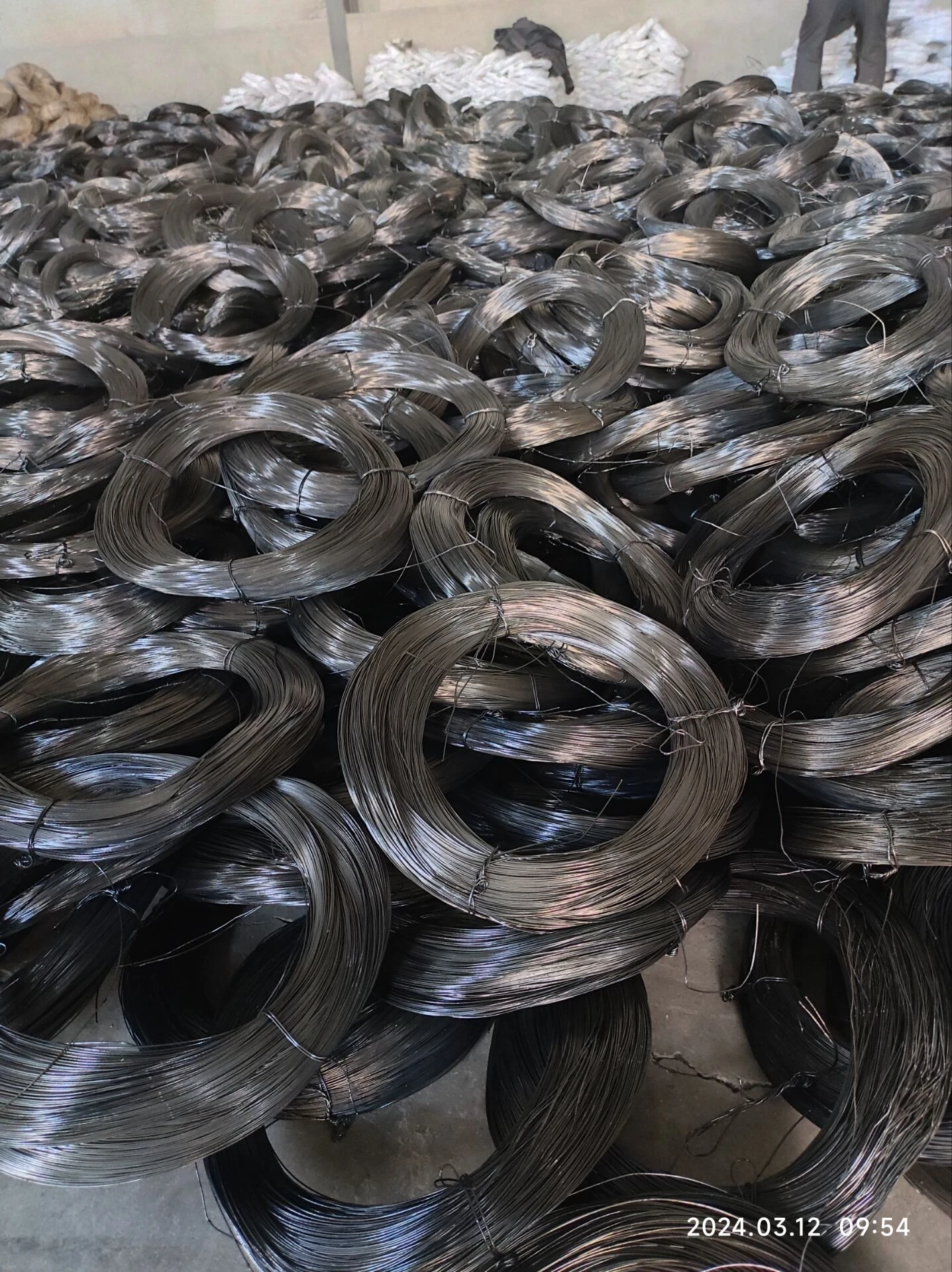
Manufacturing begins with cold forming of the carbon steel wire into the screw shape. This process work-hardens the steel, increasing its tensile strength. Following forming, heat treatment – typically quenching and tempering – is performed to optimize hardness and ductility. The coating process then follows. For zinc plating, the screws undergo cleaning, pickling, and fluxing before being immersed in a zinc electrolyte bath. Polymer coatings are applied via spray or dip coating processes, followed by curing in an oven. Screw thread rolling is a crucial step, ensuring precise thread geometry for optimal holding power. Quality control throughout the manufacturing process involves dimensional checks, coating thickness measurements, and salt spray testing (detailed in ASTM B117) to verify corrosion resistance. The screw head is also formed during this process, commonly featuring a bugle shape to minimize drywall damage during installation.
Performance & Engineering
The performance of waterproof drywall screws is governed by several key engineering considerations. Shear strength, measured according to ASTM C1436, is critical for resisting lateral forces. Tensile strength, though less critical for drywall applications, contributes to overall structural integrity. The coating’s adhesion and permeability are paramount for corrosion prevention. Water penetration through the coating, even in micro-cracks, can initiate corrosion, leading to fastener failure. Environmental resistance is assessed through accelerated corrosion testing, including salt spray, humidity cycling, and exposure to various chemicals commonly found in building materials.
Force analysis during installation necessitates understanding the screw’s torque-to-tension relationship. Over-driving the screw can strip the drywall, while under-driving results in inadequate holding power. The bugle head design minimizes damage to the drywall paper facing, preserving the structural integrity of the board. Compliance requirements, such as those outlined in the International Building Code (IBC) and local building regulations, mandate the use of corrosion-resistant fasteners in specific applications (e.g., bathrooms, kitchens, exterior sheathing). The selection of screw length is also an engineering consideration, ensuring adequate penetration into the framing members (typically wood or metal studs) to achieve sufficient holding power. Proper installation techniques, including correct screw spacing and depth, are crucial for optimal performance.
Technical Specifications
| Diameter (inches) | Length (inches) | Head Type | Coating Type | Minimum Shear Strength (lbs) | Salt Spray Resistance (hours) |
|---|---|---|---|---|---|
| 0.125 | 1 1/4 | Bugle | Zinc Plated | 450 | 24 |
| 0.125 | 1 5/8 | Bugle | Zinc Plated | 480 | 24 |
| 0.125 | 2 | Bugle | Polymer Coated | 500 | 96 |
| 0.125 | 2 1/2 | Bugle | Polymer Coated | 520 | 96 |
| 0.125 | 1 1/4 | Bugle | Stainless Steel (304) | 600 | 1000 |
| 0.125 | 1 5/8 | Bugle | Stainless Steel (304) | 620 | 1000 |
Failure Mode & Maintenance
The primary failure modes for waterproof drywall screws involve corrosion, stripping of the screw head, and shear failure. Corrosion typically initiates at scratches or imperfections in the coating, allowing moisture and chlorides to reach the underlying steel. This leads to rust formation and a reduction in the screw’s cross-sectional area, ultimately compromising its strength. Stripping occurs when excessive torque is applied during installation, damaging the screw head and preventing it from being properly tightened. Shear failure occurs when the screw is subjected to excessive lateral loads, exceeding its shear strength. Fatigue cracking can also occur under cyclic loading conditions, particularly in areas prone to vibration or movement.
Preventative maintenance focuses on proper installation and environmental control. Using the correct driver bit, avoiding over-torquing, and ensuring adequate ventilation in moisture-prone areas can mitigate failure risks. Regular inspections should be conducted to identify signs of corrosion or stripping. If corrosion is detected, replacement of the affected screws is recommended. In severely corrosive environments, upgrading to stainless steel screws may be necessary. The use of corrosion inhibitors in the surrounding building materials can also help to extend the life of the fasteners. Avoid direct contact between dissimilar metals (e.g., steel screws and aluminum framing) to prevent galvanic corrosion.
Industry FAQ
Q: What is the difference between zinc-plated and polymer-coated screws in terms of corrosion resistance?
A: Zinc-plated screws offer moderate corrosion resistance, suitable for less demanding environments. However, the zinc coating can be compromised by scratches or damage. Polymer-coated screws provide a superior barrier against corrosion, as the polymer coating encapsulates the screw and prevents moisture from reaching the steel. Polymer coatings generally offer significantly longer salt spray resistance than zinc plating.
Q: What screw length should I use for 1/2" drywall and 2x4 studs?
A: A general rule of thumb is to penetrate at least 1 inch into the stud. For 1/2" drywall and 2x4 studs (which are actually 1.5" thick), a 1 5/8" screw is typically recommended, providing approximately 5/8" penetration into the stud.
Q: Can stainless steel screws be used with galvanized steel studs?
A: While technically possible, it's generally not recommended to directly connect stainless steel and galvanized steel in a constantly damp environment due to the potential for galvanic corrosion. The stainless steel will act as the noble metal, accelerating corrosion of the galvanized steel. A corrosion-inhibiting layer between the two metals is advisable.
Q: What does “salt spray resistance” measured in hours actually mean?
A: Salt spray resistance, measured according to ASTM B117, is an accelerated corrosion test. Screws are exposed to a 5% salt solution mist for a specified number of hours. The test measures the time it takes for corrosion to visibly appear on the screw surface. Higher hours indicate better corrosion resistance, but it’s important to remember this is an accelerated test and doesn’t perfectly replicate real-world conditions.
Q: Are waterproof drywall screws suitable for exterior applications?
A: While “waterproof” is a commonly used term, it’s often a misnomer. Waterproof drywall screws are water-resistant and suitable for high-moisture interior environments. For truly exterior applications, where direct exposure to the elements is constant, dedicated exterior-grade fasteners (e.g., stainless steel screws with specialized coatings) are recommended.
Conclusion
Waterproof drywall screws represent a significant advancement in fastening technology, addressing the critical need for corrosion-resistant solutions in moisture-prone construction environments. Their performance is directly linked to material selection – primarily the type and quality of the protective coating – and rigorous adherence to manufacturing standards. Understanding the nuances of shear strength, tensile strength, and environmental resistance, as well as potential failure modes, is crucial for ensuring long-term structural integrity.
The continued development of advanced coating technologies and stricter building codes will likely drive further innovation in this field. Proper installation techniques and regular maintenance remain vital for maximizing the lifespan and performance of these fasteners. Selecting the appropriate screw type and length for the specific application, coupled with diligent quality control, will contribute to durable and reliable construction projects.