



Introduction
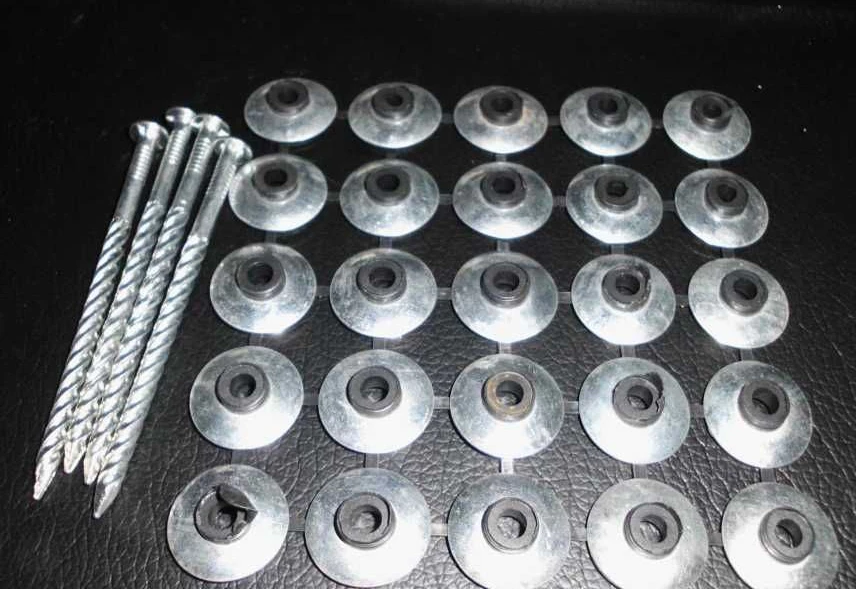
1 1 4 roofing nails, characterized by a shank length of 1 1/4 inches, represent a critical fastening component in residential and commercial roofing systems. They are primarily utilized for securing asphalt shingles, wood shakes, and other roofing materials to a structural substrate, typically plywood or OSB decking. Positioned within the construction industry’s building envelope segment, their performance directly impacts the longevity and weather resistance of a structure. Core performance characteristics include shear strength, tensile strength, holding power, and corrosion resistance, all vital for ensuring roof integrity over extended periods. These nails are manufactured to standardized specifications to guarantee consistent performance and compatibility with roofing materials, providing a fundamental level of structural security against wind uplift, precipitation, and thermal stresses. The prevalence of these nails signifies their cost-effectiveness and ease of installation, making them a mainstay in roofing applications.
Material Science & Manufacturing
The dominant material in 1 1/4 roofing nail production is low-carbon steel, typically SAE 1008 or similar grades, chosen for its balance of ductility and cost. This steel possesses a carbon content of approximately 0.08%, enhancing formability during manufacturing while maintaining adequate strength. Zinc coating, applied through hot-dip galvanization, constitutes a critical corrosion protection layer. The galvanization process involves immersing the nails in molten zinc, creating a metallurgical bond that prevents rust formation. Manufacturing begins with the drawing of steel wire through a series of dies to achieve the required diameter. The wire is then cut to length, and a head is formed using a heading machine, applying compressive forces to deform the wire end. The nails undergo a quality control process to ensure dimensional accuracy and head integrity. Following head formation, the nails are heat-treated, often involving carburization and quenching, to increase surface hardness and improve resistance to bending. Finally, they are galvanized and inspected for coating uniformity. Precise control of the carburization temperature (typically 850-900°C) and quenching rate are paramount to achieving optimal hardness without compromising ductility. The quality of the zinc coating (thickness, uniformity, and adherence) dictates the long-term corrosion resistance, and is assessed using salt spray testing.
Performance & Engineering
The performance of 1 1/4 roofing nails is fundamentally governed by principles of mechanics and material science. Shear strength, critical for resisting lateral forces from wind uplift, is determined by the nail’s cross-sectional area and the steel’s yield strength. Tensile strength governs the nail’s resistance to pull-out forces. The shank geometry, including the presence of rings or spirals, significantly enhances holding power by increasing friction between the nail and the wood substrate. Engineering analysis involves calculating the required nail density based on expected wind loads, roof pitch, and local building codes. Wind uplift forces are calculated using ASCE 7 standards, considering factors such as geographic location, exposure category, and roof geometry. The nail's performance is also affected by the moisture content of the wood; drier wood offers greater resistance to nail withdrawal. Corrosion resistance is crucial for long-term performance, particularly in coastal environments or areas with high humidity. The zinc coating provides sacrificial protection, corroding preferentially to the steel substrate. Compliance with ASTM D790 and ASTM E1592 is mandatory, ensuring the nails meet minimum performance requirements for bending and withdrawal resistance. The angle of nail penetration also impacts performance; a slight angling can increase holding power but must be consistent to avoid structural weaknesses.
Technical Specifications
| Parameter | Specification | Testing Standard | Typical Value |
|---|---|---|---|
| Nail Length | 1 1/4 inch (31.75 mm) | ASTM D790 | 31.75 mm ± 0.5 mm |
| Shank Diameter | 0.083 inch (2.11 mm) | ASTM D790 | 2.11 mm ± 0.02 mm |
| Head Diameter | 3/8 inch (9.53 mm) | ASTM D790 | 9.53 mm ± 0.2 mm |
| Zinc Coating Thickness | G90 (0.9 oz/ft²) | ASTM B695 | 23 g/m² |
| Shear Strength | Minimum 60 lbs | ASTM D790 | 85 lbs (typical) |
| Withdrawal Resistance | Minimum 50 lbs | ASTM E1592 | 70 lbs (typical) |
Failure Mode & Maintenance
1 1/4 roofing nails are susceptible to several failure modes. Corrosion is a primary concern, leading to weakening of the nail and eventual failure of the connection. This is exacerbated by exposure to moisture, salt spray, and dissimilar metals. Fatigue cracking can occur under repeated stress cycles caused by wind loading and thermal expansion/contraction. This is especially prevalent in areas with frequent extreme weather events. Nail bending, resulting from excessive force during installation or impact from debris, reduces holding power. Withdrawal failure, where the nail pulls out of the wood substrate, is common in aged roofs where wood fibers degrade. Delamination of the zinc coating can lead to localized corrosion and accelerated nail deterioration. Maintenance involves periodic roof inspections to identify corroded or bent nails. Replacement of failed nails is crucial to prevent progressive damage and potential roof leaks. Preventative measures include ensuring proper nail installation techniques, using corrosion-resistant nails in harsh environments, and applying protective coatings to the nail heads. When replacing nails, use the same gauge and type to maintain consistent holding power. Addressing underlying wood rot or damage is also essential for preventing further nail failure.
Industry FAQ
Q: What is the significance of the 'G90' zinc coating specification?
A: 'G90' refers to the weight of zinc coating per square foot of steel, in this case 0.9 ounces. A higher G90 value indicates a thicker zinc coating, providing superior corrosion protection and extending the lifespan of the nail, particularly in corrosive environments. It's a critical specification governed by ASTM B695.
Q: How does the type of wood substrate impact nail holding power?
A: Softer woods like pine generally offer lower holding power than hardwoods like oak. Wood density, moisture content, and grain orientation all play a role. Dry wood provides better resistance to nail withdrawal than wet wood. Proper nail selection and spacing are crucial when working with different wood species.
Q: What are the potential consequences of using nails with inadequate shear strength?
A: Insufficient shear strength can lead to roof failure during high wind events. Nails may shear off, allowing shingles or other roofing materials to be lifted, resulting in water intrusion and structural damage. Compliance with ASTM D790 shear strength requirements is essential for safety.
Q: What is the correct nail driving angle and depth for optimal performance?
A: Nails should be driven perpendicular to the roofing surface, or with a slight angle to aid in initial penetration. The nail head should be flush with the surface of the roofing material, but not driven in so deeply that it damages the material. Overdriving can compromise the integrity of the shingle or shake.
Q: How does temperature fluctuation affect the long-term performance of roofing nails?
A: Thermal expansion and contraction of roofing materials and the structural substrate can create stress on the nails, potentially leading to fatigue cracking or nail loosening over time. Repeated cycles of expansion and contraction can weaken the nail-wood connection, especially in areas with extreme temperature variations.
Conclusion
1 1/4 roofing nails, while seemingly simple fasteners, are engineered components critical for the structural integrity and weather resistance of roofing systems. Their performance is dictated by a complex interplay of material science, manufacturing processes, and engineering principles, with stringent adherence to industry standards like ASTM and ASCE. Understanding the nuances of their material composition, specifically the role of low-carbon steel and zinc galvanization, is crucial for assessing their long-term durability.
Future advancements in roofing nail technology may involve the development of novel corrosion-resistant coatings, such as polymer-zinc composites, and the optimization of shank geometries to further enhance holding power. Furthermore, the increasing demand for sustainable building materials may drive the exploration of alternative nail materials with lower environmental impacts. Proper installation techniques and regular maintenance remain paramount for maximizing the service life of these essential fastening components.