




Introduction
1 3/4 inch stainless steel ring shank nails are a critical fastening solution in a wide array of construction and industrial applications, particularly where corrosion resistance and high holding power are paramount. Positioned within the broader fastener industry, these nails represent a specialized subset designed to overcome the limitations of traditional carbon steel fasteners in harsh environments. They bridge the gap between simpler nail designs and more complex threaded fasteners, offering a balance of speed of installation, cost-effectiveness, and robust performance. The core performance characteristics revolve around tensile strength, shear strength, corrosion resistance (provided by the stainless steel alloy), and the enhanced holding power derived from the ring shank design. Their primary application areas include exterior construction, decking, fencing, marine environments, and anywhere prolonged exposure to moisture or corrosive elements is anticipated. Addressing common industry pain points, these nails mitigate fastener failure due to rust, withdrawal, and shear stress, reducing maintenance costs and extending the lifespan of structures.
Material Science & Manufacturing
The primary raw material for 1 3/4 inch ring shank nails is typically a 304 or 316 stainless steel alloy. 304 stainless steel is an austenitic chromium-nickel alloy containing approximately 18-20% chromium and 8-10% nickel, providing excellent corrosion resistance and formability. 316 stainless steel, containing molybdenum, offers superior resistance to chloride corrosion, making it ideal for marine or coastal applications. The material's mechanical properties are crucial: yield strength (typically 30-50 ksi), tensile strength (75-100 ksi), and elongation (30-50%). Manufacturing begins with the production of stainless steel wire, often through cold drawing to achieve precise diameter control. The wire then undergoes a heading process, where the nail head is formed. Critically, ring shank formation is achieved through a specialized threading or grooving process, creating a series of helical ridges along the nail shank. Parameter control during heading and shank formation is vital; incorrect tooling or insufficient force can lead to head defects or incomplete ring formation, compromising holding power. Heat treatment may be employed to optimize hardness and ductility. Finally, the nails are often polished or coated (though coatings are less common with stainless steel due to their inherent corrosion resistance) to enhance aesthetics or provide additional protection.
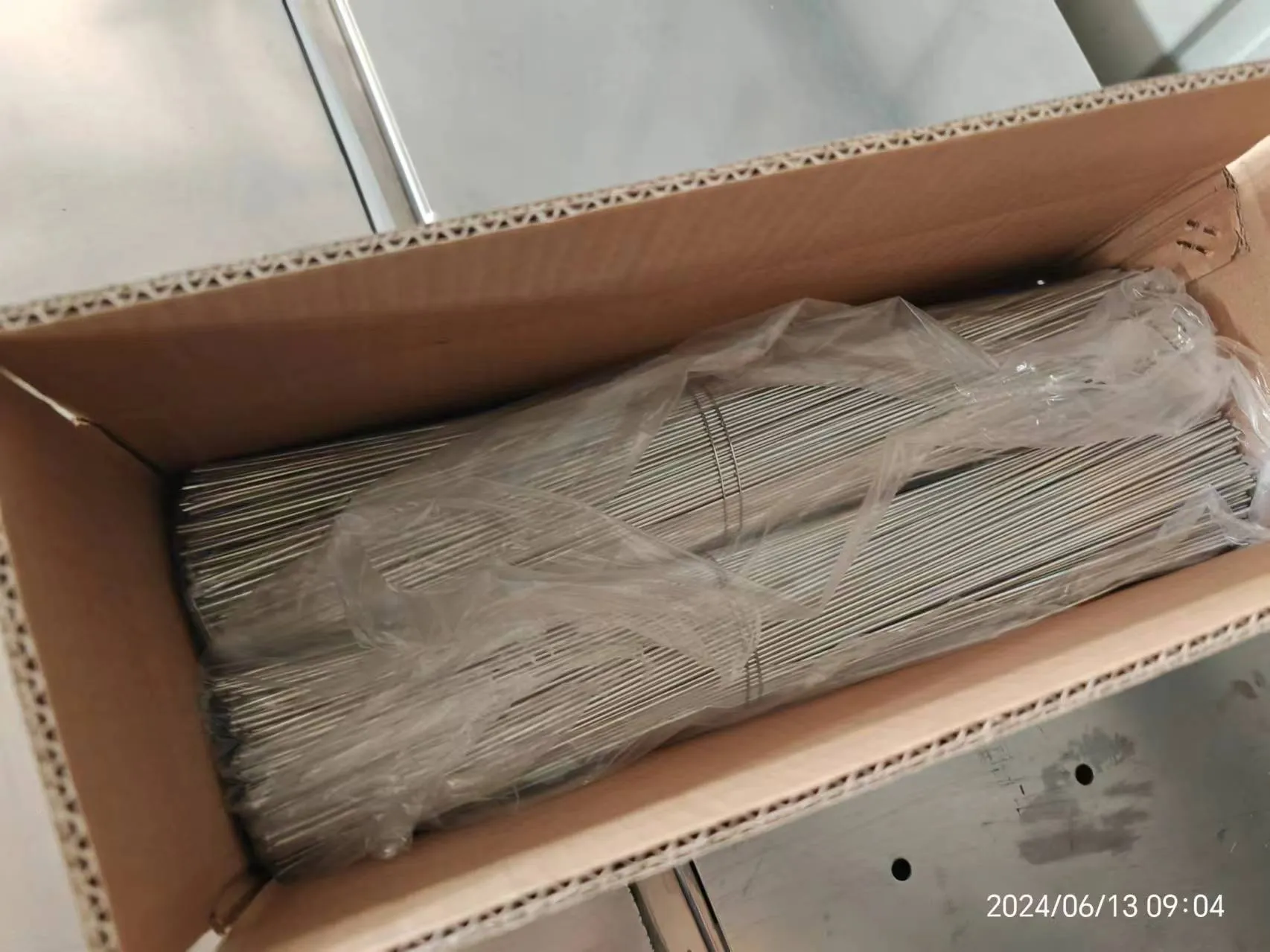
Performance & Engineering
The performance of 1 3/4 inch ring shank nails is fundamentally governed by principles of force analysis and material behavior. The ring shank design significantly increases withdrawal resistance by creating a mechanical interlock with the wood fibers. This is especially important in applications subject to cyclical loading or vibration. Shear strength is dependent on the nail's diameter and the steel's shear modulus. The nail undergoes bending stress during shear loading, and the material's ductility dictates its resistance to brittle fracture. Environmental resistance is a key factor. While stainless steel provides excellent corrosion resistance, galvanic corrosion can occur if the nails are used with dissimilar metals (e.g., aluminum). Therefore, compatibility with surrounding materials must be considered. Compliance requirements vary by region and application. Building codes often specify nail types and sizes for structural applications. Marine environments may require 316 stainless steel to meet specific corrosion resistance standards. The nails must also meet relevant ASTM standards for dimensional accuracy and material composition. The ring shank geometry is designed to maximize friction and minimize the stress concentration at the nail-wood interface, improving overall holding power and preventing premature failure. Furthermore, proper nail driving technique (angle, depth) is crucial for optimal performance.
Technical Specifications
| Nail Length (inches) | Shank Diameter (inches) | Head Diameter (inches) | Stainless Steel Grade |
|---|---|---|---|
| 1.75 | 0.120 | 0.375 | 304 |
| 1.75 | 0.148 | 0.438 | 304 |
| 1.75 | 0.120 | 0.375 | 316 |
| 1.75 | 0.148 | 0.438 | 316 |
| 1.75 | 0.165 | 0.500 | 304 |
| 1.75 | 0.165 | 0.500 | 316 |
Failure Mode & Maintenance
Failure modes for 1 3/4 inch stainless steel ring shank nails typically fall into several categories. Withdrawal failure, while minimized by the ring shank, can occur under extreme tensile loads or if the wood is degraded. Shear failure results from exceeding the nail's shear strength, often due to improper loading or inadequate nail size. Corrosion, although significantly reduced compared to carbon steel, can still occur, particularly in chloride-rich environments (marine applications) if the incorrect grade of stainless steel (e.g., 304 instead of 316) is used. Fatigue cracking can develop under cyclical loading, especially if the nail is subjected to repeated bending stresses. Delamination of the wood around the nail shank can also contribute to failure, particularly in softer wood species. Maintenance is primarily preventative. Regular inspection for signs of corrosion or loosening is recommended, especially in harsh environments. If corrosion is detected, replacement of the nail is advised. Avoiding the use of dissimilar metals in contact with the stainless steel nails can prevent galvanic corrosion. Proper installation techniques, including correct nail driving angle and depth, are crucial for maximizing longevity and minimizing the risk of failure. Furthermore, periodic assessment of the wood structure itself is important, as wood decay can compromise the nail’s holding power.
Industry FAQ
Q: What is the difference between 304 and 316 stainless steel in the context of these nails and which should I choose?
A: 304 stainless steel offers excellent general corrosion resistance, suitable for many outdoor applications. However, 316 stainless steel contains molybdenum, which significantly enhances its resistance to chloride corrosion (saltwater). If the nails will be used in marine environments, near saltwater spray, or in areas with high chloride exposure, 316 is the preferred choice. For inland applications, 304 is generally sufficient and more cost-effective.
Q: How does the ring shank improve holding power compared to a smooth shank nail?
A: The ring shank creates a mechanical interlock with the wood fibers. As the nail is driven, the rings grip the wood, increasing the force required for withdrawal. This is achieved by increasing the surface area of contact and creating a stronger frictional resistance compared to a smooth shank, which relies primarily on friction between the shank and the wood.
Q: Can these nails be used with treated lumber?
A: Yes, stainless steel is generally compatible with most treated lumber, including ACQ (Alkaline Copper Quaternary) and MCA (Micronized Copper Azole). However, it’s important to verify the specific lumber treatment and ensure the chemical composition does not contain elements that could promote galvanic corrosion with the stainless steel. Modern lumber treatments are generally formulated to be less corrosive than older CCA (Chromated Copper Arsenate) treatments.
Q: What is the recommended nail driving angle for maximizing holding power?
A: A slight angle (approximately 8-10 degrees) relative to the wood surface is recommended. This angle allows the nail to resist both withdrawal and shear forces more effectively. Driving the nail perfectly perpendicular can reduce holding power, while an excessive angle can increase the risk of bending or splitting the wood.
Q: What standards apply to the manufacturing and quality control of these nails?
A: Several standards are relevant. ASTM F1667 covers stainless steel nails for general purpose applications, defining requirements for material composition, dimensions, and mechanical properties. ISO 898-1 specifies mechanical properties for fasteners. Additionally, manufacturers may adhere to internal quality control procedures to ensure consistency and compliance with industry best practices.
Conclusion
1 3/4 inch stainless steel ring shank nails provide a robust and corrosion-resistant fastening solution for applications demanding long-term performance in challenging environments. The combination of the stainless steel alloy (typically 304 or 316) and the ring shank design offers superior holding power and durability compared to traditional fasteners. Understanding the material science, manufacturing processes, and performance characteristics is crucial for selecting the appropriate nail for a given application and ensuring its optimal performance.
Proper installation techniques, material compatibility considerations, and periodic inspection are essential for maximizing the lifespan and reliability of these fasteners. As construction and industrial practices continue to evolve, the demand for high-performance, corrosion-resistant fastening solutions like these nails is expected to grow, driving continued innovation in materials and manufacturing processes.