



Introduction
The 2d common nail is a foundational fastening element in construction, woodworking, and general repair applications. Defined by its length of approximately 3.5 inches (89 mm) and a shank diameter of 0.120 inches (3.05 mm), the “2d” designation refers to its nominal weight – 2 pennies weight per 100 nails. Positioned within the building materials supply chain, the common nail acts as a critical intermediary between structural members like lumber and sheathing. Its primary performance characteristic is its shear strength and withdrawal resistance, dictated by material composition, shank design, and head size. Unlike specialized nails like ring shank or spiral shank nails, the common nail features a smooth shank, offering adequate holding power for general construction purposes where high pullout resistance isn't paramount. Core industry pain points center on consistency of material, corrosion resistance, and the potential for bending or breakage during installation, impacting project timelines and structural integrity.
Material Science & Manufacturing
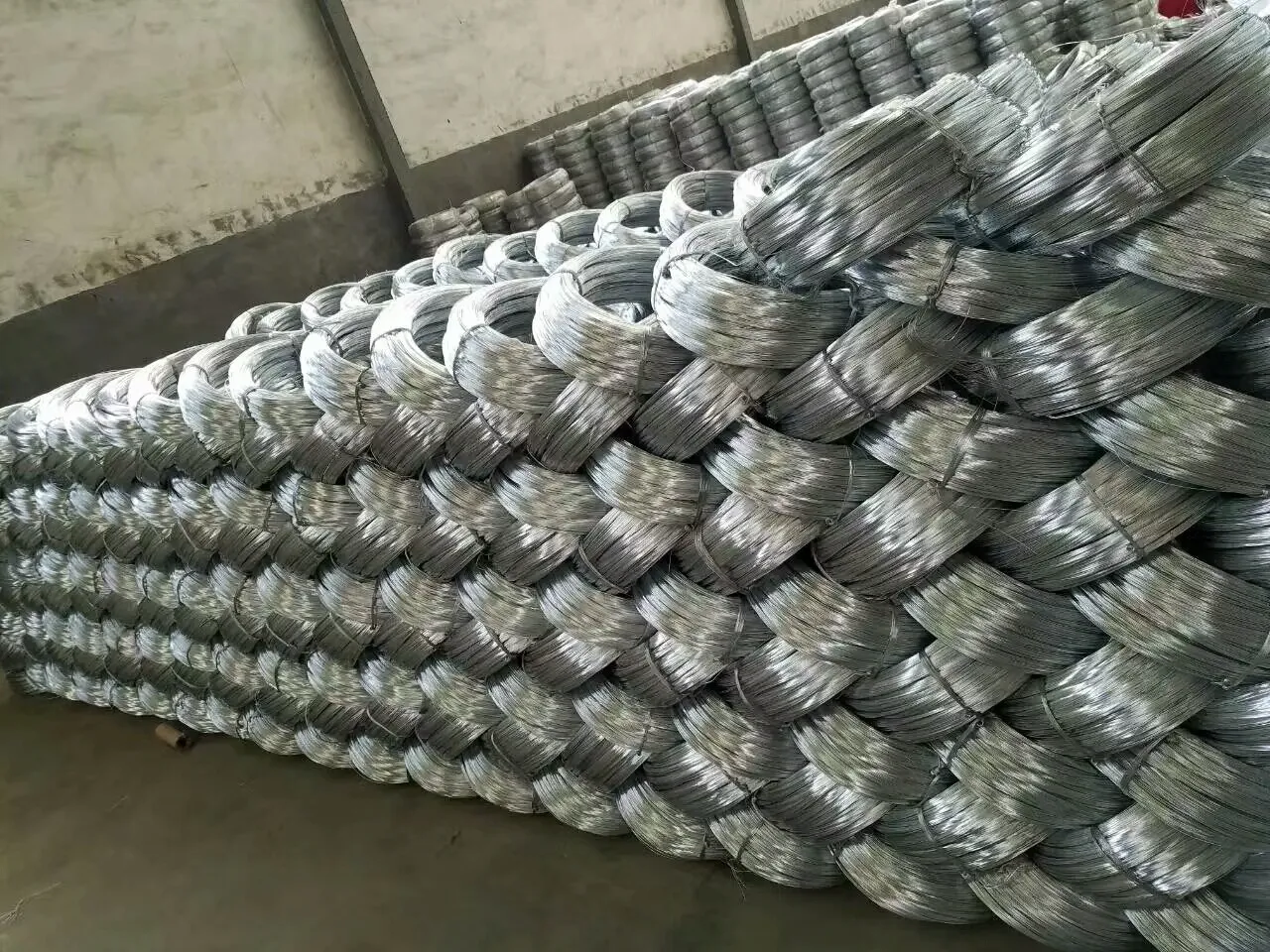
2d common nails are predominantly manufactured from low-carbon steel, typically SAE 1008 or similar grades. This steel offers a balance of ductility and strength necessary for nail formation and penetration. Raw material properties – specifically tensile strength (approximately 55,000-65,000 psi) and elongation (15-20%) – are critical. Manufacturing begins with wire drawing, reducing the steel diameter to the required gauge. The wire is then fed into a nail-making machine. This machine performs several operations sequentially: heading (forming the nail head), shanking (cutting the nail to length and shaping the shank), and pointing (sharpening the nail tip). Parameter control is crucial throughout this process. Heading pressure directly affects head size and shape, impacting driving performance. Shank length accuracy determines consistent penetration depth. Point geometry influences initial penetration force and prevents bending. Surface treatments, such as galvanization (discussed below), are applied post-manufacturing to enhance corrosion resistance. Chemical composition must adhere to ASTM A153 standards to ensure uniformity and performance predictability. Variations in steel composition, inconsistent wire feed rates, or improper die calibration can lead to nail defects such as bent shanks, split heads, or inconsistent lengths.
Performance & Engineering
The performance of a 2d common nail is fundamentally governed by the principles of shear force and bending moment. When subjected to shear loads (forces parallel to the shank), the steel experiences internal stresses that must be resisted to prevent nail failure. Withdrawal resistance, the force required to pull the nail from the wood, is dependent on friction between the shank and wood fibers, as well as the deformation of the wood surrounding the nail. Engineering considerations include determining appropriate nail spacing and edge distance to maximize joint strength. Nail spacing must account for wood splitting tendencies, while edge distance prevents nail pull-through. Environmental resistance is a key performance factor; unprotected steel nails are susceptible to corrosion, particularly in humid or chemically aggressive environments. Galvanization, either batch or continuous hot-dip, provides a sacrificial zinc coating to protect the steel substrate. Compliance requirements are dictated by building codes (e.g., the International Building Code - IBC) which specify nail types, sizes, and spacing for various structural applications. Force analysis determines the necessary nail count for specific load-bearing requirements, ensuring structural safety. The angle of installation impacts shear strength; nails driven perpendicular to the wood grain provide optimal resistance.
Technical Specifications
| Parameter | Specification | Test Method | Tolerance |
|---|---|---|---|
| Nominal Length | 3.5 inches (89 mm) | ASTM F1578 | +/- 0.125 inches (3.2 mm) |
| Shank Diameter | 0.120 inches (3.05 mm) | ASTM F1578 | +/- 0.005 inches (0.13 mm) |
| Head Diameter | 0.375 inches (9.5 mm) | ASTM F1578 | +/- 0.010 inches (0.25 mm) |
| Head Thickness | 0.100 inches (2.5 mm) | ASTM F1578 | +/- 0.005 inches (0.13 mm) |
| Shear Strength (Minimum) | 600 lbs (2670 N) | ASTM F1578 | N/A |
| Zinc Coating Thickness (Hot-Dip Galvanized) | 0.0008 inches (0.020 mm) | ASTM B695 | +/- 0.0002 inches (0.005 mm) |
Failure Mode & Maintenance
Common nail failures typically fall into several categories. Bending occurs during installation if excessive force is applied at an angle, exceeding the steel’s yield strength. Shear Failure happens when the load applied to the nail exceeds its shear strength, causing it to break at the shank. Withdrawal Failure occurs when the pullout force overcomes the friction and wood deformation holding the nail in place. Corrosion is a significant long-term failure mode, particularly with non-galvanized nails. Rust weakens the steel, reducing its strength and leading to eventual breakage. Fatigue Cracking can develop in nails subjected to cyclical loading, resulting in incremental crack propagation and eventual failure. Maintenance is limited, as nails are typically concealed within structures. However, inspecting for signs of corrosion or bending is crucial during routine maintenance of structures. Replacing corroded or damaged nails prevents catastrophic failures. Applying protective coatings to surrounding wood can mitigate corrosion in exposed applications. For critical structural applications, periodic assessment of nail integrity is recommended, potentially involving non-destructive testing methods.
Industry FAQ
Q: What is the difference between a common nail and a box nail?
A: While both are steel nails, a box nail is thinner and longer than a common nail for a given penny size. Box nails are designed for lighter-duty applications, such as attaching thin sheathing or trim, where a smaller nail profile is preferred to minimize splitting. Common nails provide greater holding power for heavier construction tasks.
Q: How does the galvanization process affect the nail's long-term performance?
A: Galvanization significantly enhances the nail’s corrosion resistance. The zinc coating acts as a barrier, protecting the underlying steel from environmental elements. Hot-dip galvanization provides a thicker, more durable coating compared to electro-galvanization, offering superior long-term protection, especially in harsh environments.
Q: What wood species are best suited for use with common nails?
A: Softer wood species like pine and fir are generally easier to nail into than hardwoods like oak or maple. Hardwoods require greater driving force and are more prone to splitting. Using a slightly larger diameter nail can improve holding power in hardwoods, but pre-drilling pilot holes is often recommended to prevent splitting.
Q: What is the typical nail spacing for structural framing applications?
A: Nail spacing is dictated by building codes and the specific structural requirements. Generally, for framing studs to plates, nails are spaced 12 inches on center. Sheathing is typically nailed with 6-inch spacing along edges and 12-inch spacing in the field. Always refer to the relevant building code for specific requirements.
Q: What causes nails to bend over during driving and how can it be prevented?
A: Bending usually occurs due to encountering knots, dense grain, or driving at an extreme angle. Using a nail with a sharper point, pre-drilling a pilot hole, and ensuring a straight driving angle can minimize bending. Utilizing a nail gun with adjustable driving depth can also prevent overdriving and bending.
Conclusion
The 2d common nail, despite its seemingly simple construction, represents a critical component in a vast array of construction and woodworking applications. Its performance – dictated by material properties, manufacturing precision, and surface treatment – directly influences the integrity and longevity of assembled structures. Understanding the underlying principles of shear force, withdrawal resistance, and corrosion mechanisms is essential for ensuring proper nail selection and installation.
Future advancements in nail technology may focus on developing innovative coating materials offering even greater corrosion protection, or exploring novel shank designs to enhance withdrawal resistance. Furthermore, the adoption of advanced manufacturing techniques, such as laser hardening, could improve the overall strength and durability of common nails, contributing to more reliable and long-lasting structures.