



Introduction
40d common nails are a fundamental fastening element in the construction and woodworking industries. Defined by their length and gauge (diameter), a 40d nail is approximately 3 inches (76.2 mm) long and typically has a gauge of 0.148 inches (3.76 mm). These nails occupy a critical position within the broader fastener supply chain, serving as a basic building block for framing, sheathing, and numerous other structural and non-structural applications. Their widespread use stems from their relatively low cost, ease of installation with pneumatic or manual drivers, and adequate holding power for many common construction tasks. However, their commonality belies complex considerations regarding material composition, manufacturing processes, performance characteristics, and potential failure modes, particularly when subjected to long-term environmental stresses or dynamic loading conditions. Understanding these aspects is crucial for ensuring structural integrity and longevity in building projects.
Material Science & Manufacturing
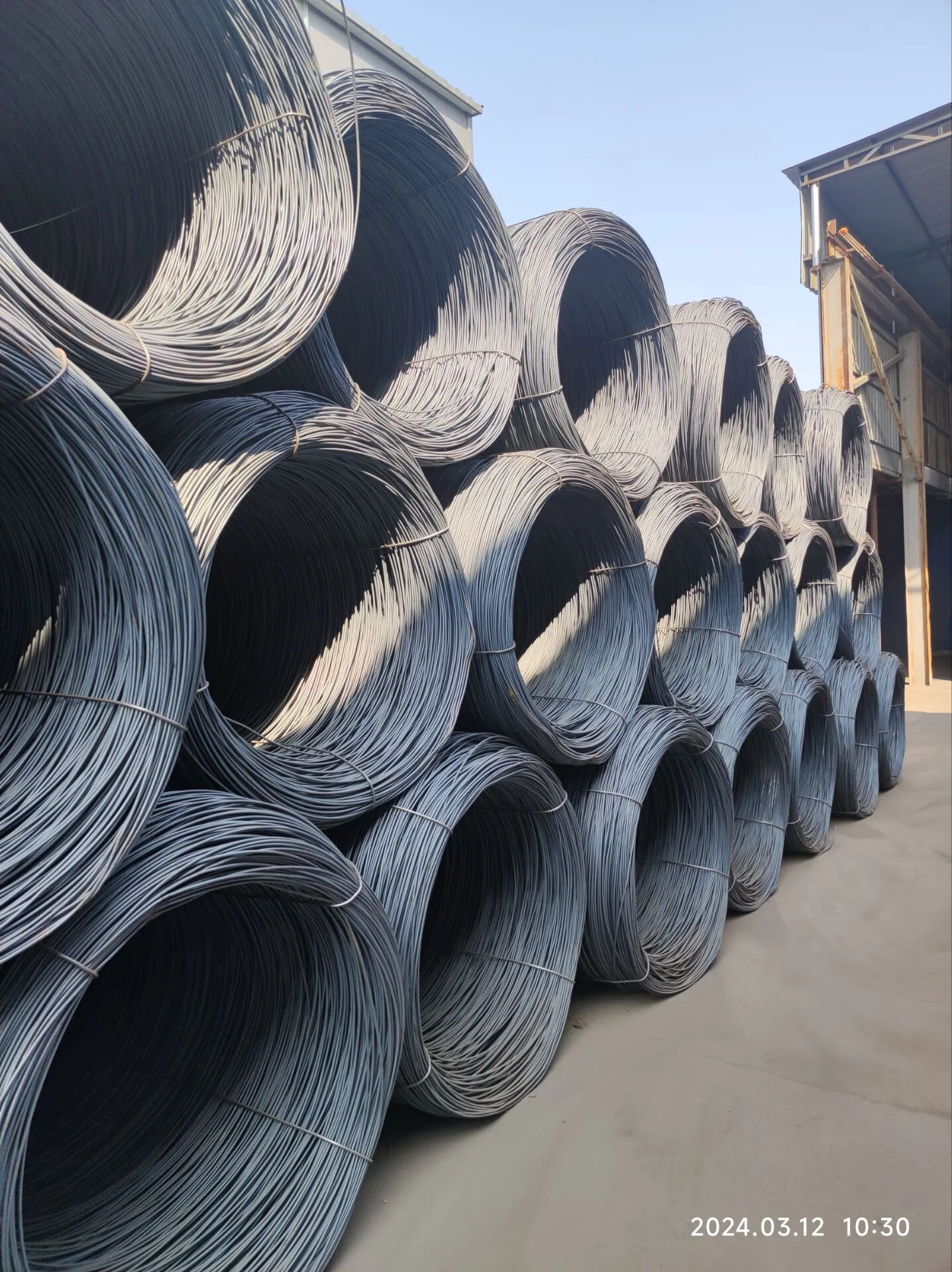
The dominant material for 40d common nails is low-carbon steel, typically SAE 1008 or similar grades. This steel possesses sufficient ductility for cold forming and offers a reasonable balance between strength and cost. The raw material arrives at the nail manufacturing facility typically in coil form. The production process begins with wire drawing, reducing the steel coil to the specified diameter (gauge) of the nail. Following wire drawing, the wire undergoes a heading process where the nail head is formed through impact and compression. This is a critical step influencing head dimensions and material flow. Next, the nail body is pointed, commonly utilizing a die and punch system. The pointing process, if not carefully controlled, can induce surface imperfections and stress concentrations. Finally, the nails may undergo surface treatment, primarily galvanization. Hot-dip galvanization provides a zinc coating for corrosion resistance, although electrolytic galvanization is also used for smoother, more aesthetically pleasing finishes. Quality control is paramount throughout the process, focusing on dimensional accuracy of the head and shank, hardness (typically Rockwell C 25-35), and coating thickness. Variations in steel composition, heading parameters, and galvanization processes directly affect the nail’s shear strength, withdrawal resistance, and long-term durability.

Performance & Engineering
The performance of 40d common nails is dictated by several key engineering properties. Shear strength, representing the nail’s resistance to lateral forces, is paramount in structural applications. Withdrawal resistance, the force required to pull the nail out of the wood, is influenced by nail diameter, length, wood density, and the angle of insertion. Static load capacity is generally determined by engineering formulas that consider nail size, wood species, and loading conditions. However, dynamic loading (e.g., wind gusts, seismic activity) introduces complexities beyond simple static analysis. Fatigue resistance, the nail’s ability to withstand repeated stress cycles, is a critical consideration in structures subject to vibration or cyclical loads. Corrosion resistance is also vital, especially in exterior applications or environments with high humidity or salt exposure. Galvanization provides a barrier against corrosion, but its effectiveness diminishes over time, particularly in acidic environments. Compliance requirements are often dictated by building codes (IBC, UBC) which specify nail size, spacing, and patterns based on structural load calculations. Furthermore, the nail’s geometry (shank smoothness, head shape) influences its performance. Ring-shank nails, for example, provide increased withdrawal resistance compared to smooth-shank nails, at a higher manufacturing cost.
Technical Specifications
| Parameter | Typical Value (40d Common Nail) | Testing Standard | Tolerance |
|---|---|---|---|
| Nominal Length | 3.0 inches (76.2 mm) | ASTM F1578 | ± 0.06 inches (± 1.5 mm) |
| Shank Diameter (Gauge) | 0.148 inches (3.76 mm) | ASTM F1578 | ± 0.005 inches (± 0.13 mm) |
| Head Diameter | 0.375 inches (9.53 mm) | ASTM F1578 | ± 0.02 inches (± 0.5 mm) |
| Head Thickness | 0.10 inches (2.54 mm) | ASTM F1578 | ± 0.01 inches (± 0.25 mm) |
| Shear Strength (Parallel to Grain) | 650 lbs (2890 N) | ASTM F1578 | Minimum 600 lbs (2670 N) |
| Withdrawal Resistance (Southern Pine) | 180 lbs (800 N) | ASTM F1578 | Dependent on wood species/density |
Failure Mode & Maintenance
40d common nails are susceptible to several failure modes. Fatigue cracking can occur under repeated loading, initiating at stress concentrations near the head or point. Bending failure results from excessive lateral forces exceeding the nail’s shear strength. Withdrawal failure occurs when the nail loses its grip on the wood, often exacerbated by wood shrinkage or decay. Corrosion weakens the nail over time, reducing its cross-sectional area and load-carrying capacity. Electrolytic corrosion can be particularly aggressive in contact with dissimilar metals (e.g., aluminum). Wood splitting is a failure of the surrounding material rather than the nail itself, but is directly related to nail installation technique and wood properties. Maintenance is primarily preventative. Regular inspection of structures for signs of corrosion or loosening is crucial. Replacing corroded or loose nails is essential to maintain structural integrity. Applying protective coatings to the wood (e.g., paint, stain) can slow down corrosion and wood decay. Proper nail driving technique – avoiding bending or overdriving – minimizes the risk of initial damage. In critical applications, periodic re-tightening or replacement of nails should be considered as part of a preventative maintenance schedule.
Industry FAQ
Q: What is the impact of nail coating type (e.g., hot-dip galvanization vs. electrolytic galvanization) on long-term performance in coastal environments?
A: Hot-dip galvanization provides a thicker zinc coating and superior corrosion resistance compared to electrolytic galvanization. In highly corrosive coastal environments, hot-dip galvanized nails are generally recommended, although even they will eventually corrode over several decades. Electrolytic galvanization offers a smoother finish but provides less sacrificial protection against corrosion and will likely fail sooner in marine environments. Stainless steel nails represent a premium, long-term solution but are significantly more expensive.
Q: How does the wood species (e.g., Southern Yellow Pine vs. Redwood) affect the withdrawal resistance of a 40d common nail?
A: Wood density is the primary factor influencing withdrawal resistance. Southern Yellow Pine, being a denser softwood, typically provides significantly higher withdrawal resistance than Redwood. Redwood's lower density and natural oils can also reduce the friction between the nail shank and the wood fibers. Engineering calculations must account for the specific wood species and its associated design values.
Q: What are the common causes of nail bending during installation, and how can this be avoided?
A: Nail bending is often caused by striking the nail at an angle, using a hammer with insufficient weight, or encountering knots or dense grain in the wood. Using a nail set to drive the nail flush or slightly below the surface minimizes bending. Ensuring the hammer is perpendicular to the wood surface and selecting the appropriate hammer weight for the nail size are also crucial. Pre-drilling pilot holes in hardwoods can prevent bending and splitting.
Q: What is the effect of nail spacing on the overall shear strength of a framed structure?
A: Nail spacing directly impacts the load distribution and shear strength of a framed connection. Closer nail spacing increases the shear capacity, as the load is distributed across multiple nails. Building codes specify minimum nail spacing requirements based on the applied loads and wood species. Exceeding these requirements generally improves shear strength, but there are diminishing returns beyond a certain point.
Q: Can 40d common nails be used in treated lumber, and what considerations need to be made?
A: Yes, but care must be taken. Modern lumber treatment chemicals (e.g., ACQ, MCA) are less corrosive to nails than older treatments (e.g., CCA). However, treated lumber still presents a more corrosive environment than untreated lumber. It’s recommended to use hot-dip galvanized nails specifically labeled for use with treated lumber to ensure adequate corrosion resistance. Avoid using aluminum nails with treated lumber, as they can undergo significant galvanic corrosion.
Conclusion
40d common nails, while seemingly simple fasteners, represent a complex intersection of material science, manufacturing precision, and engineering principles. Their performance is governed by factors ranging from steel composition and galvanization quality to wood species and installation technique. Understanding the potential failure modes – corrosion, fatigue, withdrawal – is vital for ensuring structural integrity and longevity in construction projects.
The continued use of 40d common nails is predicated on their cost-effectiveness and ease of use. However, advancements in fastener technology, such as coated screws and engineered nails, offer superior performance characteristics in certain applications. Future developments may focus on enhancing corrosion resistance through novel coating materials or developing nails with improved shear and withdrawal strength through optimized geometry and material composition. Careful selection and proper application remain paramount to maximize the service life and structural contribution of these ubiquitous fasteners.