



Introduction
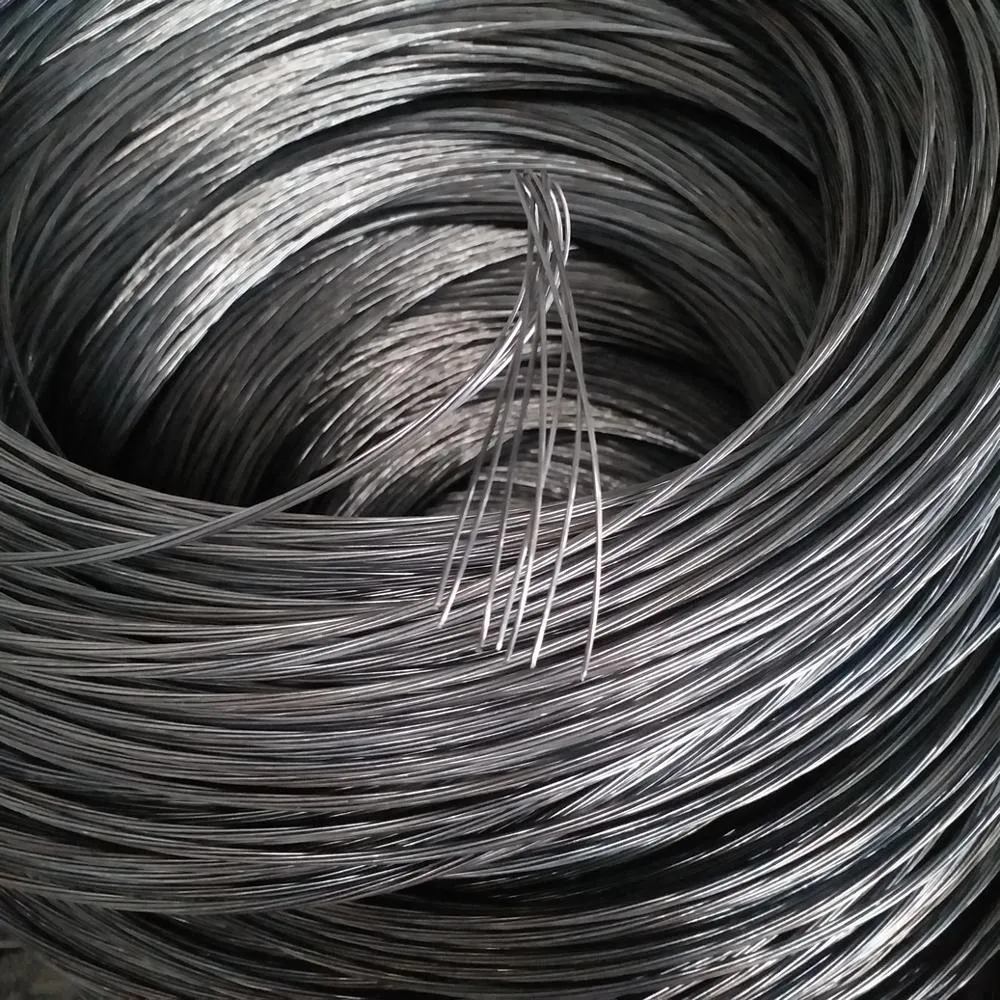
Binding wire, a fundamental component across a diverse range of industries, serves as a crucial fastening and securing element. Typically manufactured from low-carbon steel, galvanized steel, or stainless steel, its primary function is to mechanically join items together, providing temporary or semi-permanent cohesion. Positioned within the industrial supply chain as a consumable fastener, binding wire’s performance dictates efficiency and reliability in numerous applications including construction, agriculture, packaging, and product assembly. Core performance characteristics center around tensile strength, ductility, corrosion resistance, and formability – attributes that determine its suitability for specific end-use requirements. The increasing demand for optimized packaging solutions and efficient construction techniques drives continuous improvement in binding wire specifications, focusing on enhanced strength-to-weight ratios and cost-effectiveness.
Material Science & Manufacturing
The foundational material for binding wire is typically low-carbon steel (e.g., SAE 1008, 1010), offering a balance of ductility and strength for ease of manipulation. Galvanized steel, achieved through hot-dip galvanization, introduces a zinc coating providing enhanced corrosion resistance, crucial for outdoor applications or environments with high humidity. Stainless steel variants (e.g., 304, 316) offer superior corrosion resistance and are employed in more demanding applications, particularly within the food processing and medical industries. The manufacturing process usually begins with wire drawing, reducing the diameter of a larger steel rod through a series of dies. This process work-hardens the wire, increasing its tensile strength. Subsequent processes may include annealing to restore ductility, followed by galvanization or other surface treatments. Finally, the wire is coiled for ease of handling and transportation. Critical parameters during wire drawing include die angle, drawing speed, and lubrication, all impacting the final wire diameter, surface finish, and mechanical properties. The galvanization process requires precise control of zinc bath temperature and immersion time to ensure uniform coating thickness and adhesion. Wire forming techniques, such as twisting and cutting, are vital for creating specific binding wire configurations.
Performance & Engineering
The performance of binding wire is heavily influenced by its tensile strength, measured in MPa or psi, which dictates the load it can withstand before breaking. Ductility, often quantified by elongation at break, determines its ability to deform without fracturing, crucial for securing irregular shapes or absorbing shock loads. Corrosion resistance is paramount, especially in outdoor environments, and is evaluated through salt spray testing (ASTM B117) and electrochemical impedance spectroscopy. Engineering calculations involving binding wire typically center on force analysis: determining the required wire diameter and gauge to provide adequate holding power based on anticipated loads and environmental factors. Environmental resistance considerations include temperature fluctuations, UV exposure, and chemical exposure. Compliance requirements vary depending on the application, with standards like RoHS (Restriction of Hazardous Substances) dictating permissible material compositions. For agricultural applications, wire must withstand significant tensile stress from plant growth and environmental forces. In construction, binding wire must meet structural load requirements and adhere to building codes. The selection of wire gauge (diameter) is critical to ensure sufficient strength without excessive material cost or difficulty in manipulation.
Technical Specifications
| Parameter | Low-Carbon Steel | Galvanized Steel | Stainless Steel (304) | Stainless Steel (316) |
|---|---|---|---|---|
| Tensile Strength (MPa) | 400-550 | 380-500 | 500-700 | 550-750 |
| Elongation at Break (%) | 15-25 | 12-20 | 30-50 | 35-55 |
| Zinc Coating Thickness (µm) | N/A | 50-100 | N/A | N/A |
| Corrosion Resistance (Salt Spray Test, hours) | 10-20 | 100-300 | >1000 | >2000 |
| Diameter Range (mm) | 0.5-4.0 | 0.5-4.0 | 0.5-3.0 | 0.5-3.0 |
| Typical Applications | General purpose binding, packaging | Outdoor applications, fencing | Food processing, medical devices | Marine environments, chemical processing |
Failure Mode & Maintenance
Binding wire failure typically manifests in several modes. Fatigue cracking occurs under cyclic loading, initiating at surface imperfections or bends. Corrosion, particularly in unprotected steel wire, leads to localized thinning and eventual fracture. Hydrogen embrittlement can occur in galvanized wire exposed to acidic environments, reducing ductility and increasing susceptibility to cracking. Overloading, exceeding the wire’s tensile strength, results in immediate breakage. Brittle fracture can occur at low temperatures, especially with hardened steel wire. Maintenance primarily involves visual inspection for corrosion, cracks, or deformation. For galvanized wire, periodic cleaning to remove corrosive contaminants is recommended. In applications where wire is subject to high stress, regular replacement is crucial to prevent catastrophic failure. Protective coatings, such as epoxy or polyurethane, can be applied to enhance corrosion resistance in harsh environments. Proper storage, avoiding exposure to moisture and corrosive chemicals, extends the service life of binding wire. Replacement should occur when signs of degradation are evident or when the wire's holding power is compromised.
Industry FAQ
Q: What is the impact of wire diameter on the overall holding strength of a binding application?
A: The holding strength increases exponentially with wire diameter. A small increase in diameter can result in a significant increase in tensile strength. However, selecting an excessively thick wire can make manipulation difficult and increase cost. The optimal diameter is determined by a force analysis considering the anticipated load and the material's tensile strength.
Q: How does galvanization affect the long-term performance of binding wire in outdoor applications?
A: Galvanization significantly improves corrosion resistance, extending the service life of the wire in outdoor environments. The zinc coating acts as a sacrificial anode, protecting the underlying steel from corrosion. However, the zinc coating itself will eventually corrode over time, particularly in acidic or saline environments. The rate of corrosion depends on the coating thickness and the severity of the environmental conditions.
Q: What are the advantages of using stainless steel binding wire compared to galvanized steel?
A: Stainless steel offers superior corrosion resistance, particularly in harsh environments like marine or chemical processing applications. It also maintains its strength and ductility at higher temperatures. However, stainless steel is generally more expensive than galvanized steel and may require specialized tools for cutting and bending.
Q: What considerations should be made when selecting binding wire for applications involving direct food contact?
A: For direct food contact, stainless steel grade 304 or 316 is generally preferred due to its non-toxic nature and resistance to corrosion from food acids. The wire must comply with relevant food safety regulations, such as FDA guidelines, regarding material composition and hygiene.
Q: What is the typical failure mechanism in binding wire used for securing agricultural crops?
A: In agricultural applications, failure is typically caused by a combination of factors including tensile stress from plant growth, corrosion from environmental exposure (rain, fertilizers), and potential fatigue from wind loading. The wire can weaken over time, leading to breakage and crop damage. Regular inspection and replacement are crucial.
Conclusion
Binding wire, despite its seemingly simple function, is a critical component demanding careful material selection and engineering consideration. Its performance is dictated by a complex interplay of tensile strength, ductility, corrosion resistance, and manufacturing quality. Understanding the failure modes and implementing appropriate maintenance practices are vital for ensuring long-term reliability and preventing costly downtime or product failures.
Future developments will likely focus on enhancing wire strength-to-weight ratios through advanced alloy compositions and innovative manufacturing techniques. Furthermore, research into more environmentally friendly coating materials to replace traditional galvanization represents a significant area of potential improvement. Continued adherence to stringent industry standards and a commitment to quality control will remain paramount in ensuring the consistent performance of binding wire across diverse applications.