



Introduction
Coil nails, produced extensively in China, represent a significant advancement in fastening technology for the construction and woodworking industries. They are collated in a coil or ring, allowing for high-speed automated feeding into nail guns, dramatically increasing productivity compared to traditional stick nailing. This guide provides an in-depth technical overview of coil nails manufactured in China, covering their material composition, manufacturing processes, performance characteristics, potential failure modes, and relevant industry standards. The Chinese manufacturing base has become dominant in this sector due to its cost-effectiveness and increasingly sophisticated production capabilities, necessitating a comprehensive understanding of the technical nuances involved in sourcing and utilizing these fasteners. Understanding these aspects is crucial for mitigating risks associated with material quality, application suitability, and long-term structural integrity.
Material Science & Manufacturing
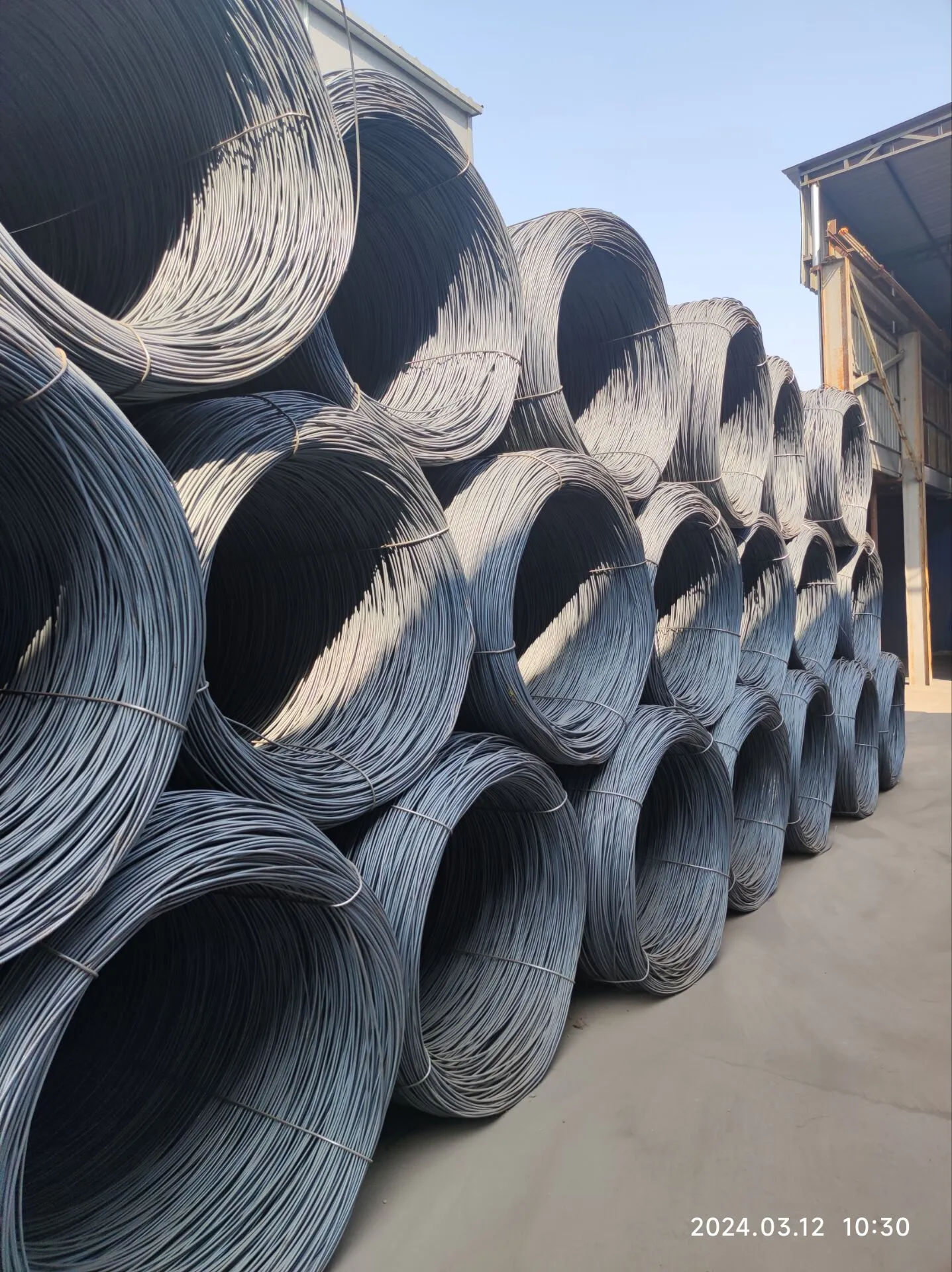
The primary material for coil nail production is typically carbon steel, specifically SAE 1008 or similar low-carbon steel grades. These steels offer a balance of ductility and tensile strength crucial for nail performance. Wire diameter is a critical parameter, ranging from 2.1mm to 3.4mm depending on the intended application. The manufacturing process begins with the drawing of steel wire through a series of dies to achieve the desired gauge. This process induces work hardening, increasing the steel's tensile strength but reducing ductility. Subsequent annealing heat treatment is applied to restore ductility and relieve internal stresses. Following annealing, the wire undergoes a phosphating process, applying a zinc phosphate coating to enhance corrosion resistance and provide a better adhesion surface for subsequent coatings. Coil formation is achieved using precision winding machines, ensuring consistent coil diameter and nail spacing. Nail point geometry – typically a chisel point, diamond point, or blunt point – is formed through a cold heading process. Finally, a surface coating, commonly electro-galvanization or hot-dip galvanization, is applied to provide further corrosion protection. Quality control at each stage, including tensile testing, coating thickness measurement, and visual inspection for defects, is paramount. Variations in steel composition, heat treatment parameters, and coating quality can significantly impact nail performance.
Performance & Engineering
The performance of coil nails is heavily influenced by their shear strength, tensile strength, and bending resistance. Shear strength is particularly critical in applications involving lateral loads, such as siding and roofing. Tensile strength dictates the nail's ability to resist pull-out forces. Bending resistance determines the nail's capacity to withstand forces applied perpendicular to its axis. These properties are directly related to the steel’s chemical composition, manufacturing processes, and heat treatment. Engineering considerations include calculating the necessary nail penetration depth based on the substrate material (e.g., wood species, density, moisture content) and the applied load. Finite element analysis (FEA) is often employed to model nail performance under various loading scenarios. Corrosion resistance is also a critical performance parameter, particularly in exterior applications. Galvanization thickness and coating uniformity are key factors. Furthermore, the nail’s shank design – smooth, ring shank, or screw shank – impacts its holding power. Ring shanks and screw shanks provide increased withdrawal resistance compared to smooth shanks. The compatibility of the nail coating with the substrate material must also be considered to prevent galvanic corrosion. Proper nail gun calibration and consistent driving angles are essential for achieving optimal performance and preventing nail bending or breakage.
Technical Specifications
| Parameter | Units | Typical Range (China Manufactured) | Testing Standard |
|---|---|---|---|
| Wire Diameter | mm | 2.1 - 3.4 | GB/T 5949-2016 |
| Nail Length | mm | 30 - 90 | ASTM F1667 |
| Shank Type | - | Smooth, Ring Shank, Screw Shank | - |
| Head Type | - | Countersunk, Round | - |
| Coating Type | - | Electro-Galvanized, Hot-Dip Galvanized | ASTM B695 / ISO 4042 |
| Galvanization Thickness | μm | 5 - 14 | ASTM B695 / ISO 4042 |
| Tensile Strength | MPa | 400 - 600 | GB/T 228-2015 |
Failure Mode & Maintenance
Coil nails are susceptible to several failure modes. Hydrogen embrittlement, particularly in high-strength galvanized nails, can lead to brittle fracture. This occurs when hydrogen atoms diffuse into the steel lattice during the galvanization process. Corrosion, especially in coastal environments or when exposed to corrosive chemicals, can weaken the nail and lead to failure. Fatigue cracking can occur under cyclical loading, particularly if the nail is subjected to vibrations or impacts. Bending failure can occur if the nail is driven at an improper angle or encounters excessive resistance. Shear failure occurs when the nail is subjected to lateral loads exceeding its shear strength. Prevention of these failures relies on proper material selection, coating quality, and application techniques. Maintenance primarily focuses on storage. Nails should be stored in a dry, well-ventilated environment to prevent corrosion. Avoid stacking pallets excessively high to prevent damage to the coils. Periodic inspection of stored nails for signs of rust or damage is recommended. Furthermore, ensuring the nail gun is properly maintained and calibrated is crucial for preventing nail bending or breakage during driving. Regular cleaning and lubrication of the nail gun’s internal mechanisms will improve its performance and lifespan.
Industry FAQ
Q: What is the significance of the wire gauge in a coil nail, and how does it relate to the application?
A: The wire gauge directly correlates to the nail's strength and holding power. Lower gauge numbers indicate thicker wire and therefore greater strength. For heavy-duty applications like structural framing, a thicker gauge (e.g., 3.4mm) is required. Lighter applications, such as finish work or trim, can utilize thinner gauges (e.g., 2.1mm). Selecting the appropriate gauge ensures the nail can adequately resist the applied loads without bending or breaking.
Q: How does the type of galvanization (electro vs. hot-dip) impact the longevity of coil nails in corrosive environments?
A: Hot-dip galvanization generally provides superior corrosion resistance compared to electro-galvanization due to its thicker coating. However, hot-dip galvanization can sometimes result in a less uniform coating. Electro-galvanization offers a smoother, more consistent coating but is less durable in highly corrosive environments. The choice depends on the severity of the exposure and the desired lifespan of the fastening.
Q: What are the key differences between smooth shank, ring shank, and screw shank coil nails, and when should each be used?
A: Smooth shank nails offer the least withdrawal resistance and are suitable for applications where minimal holding power is required. Ring shank nails have rings along the shank that increase friction and provide significantly higher withdrawal resistance, making them ideal for framing and sheathing. Screw shank nails offer the highest withdrawal resistance due to their helical threads, making them suitable for demanding applications where pull-out strength is critical.
Q: What quality control measures should be in place when sourcing coil nails from Chinese manufacturers?
A: Rigorous quality control is essential. This includes verifying the steel composition against specified standards (e.g., SAE 1008), conducting tensile strength and shear strength testing, measuring coating thickness and uniformity, performing salt spray corrosion testing, and visual inspection for defects such as bent nails, damaged heads, or inconsistent coil winding. Independent third-party inspection is highly recommended.
Q: How do different wood species and moisture content affect the holding power of coil nails?
A: Denser wood species generally provide better holding power than softer wood species. The moisture content of the wood also plays a significant role. Dry wood is harder and provides greater resistance to nail penetration and withdrawal. Wet wood is softer and more prone to splitting, reducing nail holding power. Adjusting nail size and type based on the wood species and moisture content is crucial for optimal performance.
Conclusion
Coil nails manufactured in China represent a cost-effective and efficient fastening solution for a wide range of construction and woodworking applications. However, understanding the material science, manufacturing processes, and potential failure modes is crucial for ensuring long-term structural integrity and minimizing risks. Careful attention to technical specifications, rigorous quality control during sourcing, and proper application techniques are paramount.
The continued advancement of Chinese manufacturing capabilities is leading to improved quality and innovation in coil nail production. By adhering to recognized industry standards and implementing robust quality assurance programs, end-users can confidently utilize coil nails for demanding projects, maximizing productivity and ensuring lasting performance. Future developments will likely focus on enhanced corrosion resistance coatings and optimized nail shank designs to further improve holding power and durability.