



Introduction
Coil nails for fibre cement represent a critical fastening solution within the construction industry, specifically tailored for the installation of fibre cement siding, roofing, and internal lining boards. These nails, distinct from traditional bulk nails, are collated in a coil format for use in specialized pneumatic nailers, dramatically increasing installation speed and reducing labour costs. Their design addresses the unique challenges posed by fibre cement materials, which are known for their hardness and potential to rapidly dull conventional fasteners. The core performance characteristics of coil nails for fibre cement—holding power, corrosion resistance, and shank consistency—directly impact the structural integrity and longevity of the installed cladding system. Understanding the nuances of their material composition, manufacturing process, and performance parameters is crucial for ensuring compliance with building codes and maximizing the lifespan of fibre cement installations. This guide provides an in-depth technical overview, covering material science, manufacturing considerations, performance engineering, failure modes, and relevant industry standards.
Material Science & Manufacturing
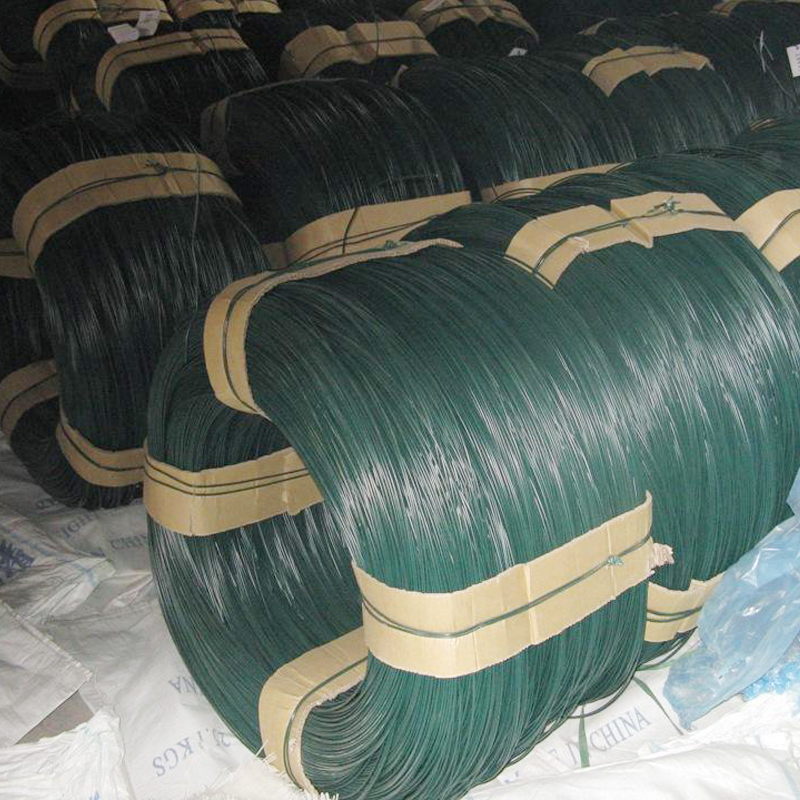
The manufacturing of coil nails for fibre cement begins with high-carbon steel wire, typically SAE 1065-1095, selected for its balance of tensile strength and ductility. The wire undergoes a series of processes. First, it’s drawn to the precise diameter required for the nail shank, impacting penetration depth and holding power. This process requires meticulous control over die lubrication and reduction ratios to prevent work hardening and maintain wire integrity. Following wire drawing, the steel undergoes a phosphating treatment to enhance paint adhesion and corrosion resistance. The phosphating process creates a chemically bonded phosphate coating on the steel surface, providing a receptive layer for subsequent coating application. Nail shank geometry is critical. Fibre cement nails are often manufactured with a ring shank or spiral shank design, increasing withdrawal resistance by creating a mechanical interlock with the fibre cement matrix. The shanks are then headed using a cold heading process, forming the nail head to the specified dimensions and ensuring consistent head diameter and cupping. Following heading, the nails are coated. Common coatings include hot-dip galvanization, electro-galvanization, or polymer coatings (e.g., epoxy, polyester). Hot-dip galvanization provides robust corrosion protection but can result in a thicker, less uniform coating. Electro-galvanization offers greater coating uniformity but typically provides less corrosion resistance. Polymer coatings provide excellent aesthetics and corrosion protection but can be susceptible to UV degradation. Finally, the nails are collated into coils using a specialized machine, ensuring precise alignment and consistent coil diameter for reliable feeding into pneumatic nailers. Parameter control during collation is critical to prevent jamming and misfires. The chemical composition of the steel wire dictates its mechanical properties. Higher carbon content increases tensile strength but reduces ductility, potentially increasing the risk of brittle fracture. Hydrogen embrittlement is a concern during phosphating and galvanization; strict control of process parameters is required to minimize hydrogen absorption into the steel.
Performance & Engineering
The performance of coil nails in fibre cement applications is governed by several key engineering principles. Withdrawal resistance, the ability of the nail to resist being pulled out of the fibre cement, is paramount. This is primarily dictated by the shank geometry (ring or spiral), the nail diameter, and the embedding depth. Finite element analysis (FEA) is frequently used to model the stress distribution around the nail shank and optimize shank design for maximum withdrawal resistance. Shear strength, the nail’s ability to resist lateral forces, is critical for withstanding wind loads and other external stresses. Nail head size and shank diameter influence shear strength. The interaction between the nail and the fibre cement matrix is complex. Fibre cement’s inherent brittleness means that the nail creates a localized crushing effect during installation. The nail’s shank must be sufficiently ductile to accommodate this crushing without fracturing. Fatigue performance is also important, especially in areas subjected to cyclical loading (e.g., wind-induced vibrations). Corrosion resistance is essential for long-term durability, particularly in coastal environments or areas with high humidity. The coating type and thickness directly impact corrosion protection. Compatibility between the nail coating and the fibre cement composition is crucial to prevent galvanic corrosion. Compliance requirements vary by region and application. Building codes often specify minimum nail gauge, length, and spacing requirements. The International Building Code (IBC) and relevant local codes must be consulted to ensure compliance. The nailer’s driving force and depth control settings significantly influence nail performance. Overdriven nails can damage the fibre cement, reducing its structural integrity. Underdriven nails may lack sufficient holding power. Proper nailer calibration and operator training are essential.
Technical Specifications
| Nail Length (mm) | Nail Gauge (AWG) | Shank Type | Coating Type | Minimum Withdrawal Resistance (N) | Shear Strength (N) |
|---|---|---|---|---|---|
| 38 | 8 | Ring Shank | Hot-Dip Galvanized | 800 | 600 |
| 45 | 8 | Spiral Shank | Electro-Galvanized | 950 | 750 |
| 50 | 7 | Ring Shank | Polyester Coated | 1100 | 900 |
| 57 | 8 | Spiral Shank | Hot-Dip Galvanized | 1250 | 1000 |
| 63 | 7 | Ring Shank | Epoxy Coated | 1400 | 1100 |
| 75 | 6 | Spiral Shank | Hot-Dip Galvanized | 1600 | 1300 |
Failure Mode & Maintenance
Coil nails used in fibre cement applications are susceptible to several failure modes. Brittle fracture is a common failure mode, particularly with high-carbon steel nails that have not been adequately tempered. This can occur during installation if the nailer’s driving force is excessive or if the fibre cement is particularly dense. Corrosion is a significant concern, leading to reduced nail strength and eventual failure. Galvanic corrosion can occur if the nail coating is incompatible with the fibre cement composition. Hydrogen embrittlement, as mentioned earlier, can also contribute to corrosion-induced failure. Withdrawal failure occurs when the nail loses its grip on the fibre cement due to insufficient embedding depth, inadequate shank design, or degradation of the fibre cement matrix. Shear failure occurs when the nail is subjected to excessive lateral forces, exceeding its shear strength. Fatigue cracking can occur under cyclical loading, leading to progressive weakening of the nail shank. To mitigate these failures, proper nail selection is critical. Choose nails with appropriate shank geometry, coating type, and steel grade for the specific application and environmental conditions. Correct nailer settings are essential; ensure the nailer is properly calibrated and the driving force is adjusted to avoid overdriving or underdriving the nails. Regular inspection of installed nails is recommended, particularly in areas exposed to harsh weather conditions. Look for signs of corrosion, cracking, or withdrawal. If significant corrosion or damage is observed, replace the affected nails. Preventive maintenance of pneumatic nailers, including lubrication and cleaning, is crucial for ensuring reliable operation and preventing nail misfires. Storing coil nails in a dry environment protects against pre-installation corrosion.
Industry FAQ
Q: What is the impact of fibre cement composition on nail performance?
A: The composition of fibre cement significantly affects nail performance. Higher silica content increases hardness, requiring nails with greater penetration strength and potentially increasing the risk of brittle fracture. The type of cement matrix (Portland cement, calcium silicate cement) also influences nail holding power and corrosion susceptibility. Some fibre cement formulations contain additives that can react with nail coatings, leading to galvanic corrosion. It’s vital to select nails specifically tested and approved for use with the particular fibre cement product.
Q: How does the nailer’s air pressure affect nail installation quality?
A: Incorrect air pressure can significantly impact nail installation quality. Too low pressure can result in underdriven nails, reducing holding power. Too high pressure can overdrive nails, damaging the fibre cement and potentially causing cracking. Optimal air pressure is determined by the nailer manufacturer and should be adjusted based on the fibre cement thickness and density. Regular monitoring and calibration of the air pressure are crucial.
Q: What are the key differences between hot-dip galvanization and electro-galvanization for coil nails?
A: Hot-dip galvanization provides a thicker zinc coating, offering superior corrosion resistance, especially in harsh environments. However, the coating can be less uniform and more prone to spalling. Electro-galvanization results in a thinner, more uniform coating, providing good corrosion resistance for less demanding applications. It's typically more cost-effective than hot-dip galvanization but offers less long-term protection.
Q: How do ring shank and spiral shank nails differ in terms of withdrawal resistance?
A: Both ring shank and spiral shank nails increase withdrawal resistance compared to smooth shank nails. Spiral shank nails generally provide higher withdrawal resistance as they create a continuous thread that mechanically interlocks with the fibre cement matrix. Ring shank nails offer good withdrawal resistance but rely on the rings to dig into the material. The optimal choice depends on the specific application and the desired level of holding power.
Q: What are the common causes of nail misfires in coil nailers?
A: Common causes of nail misfires include improper coil loading, debris in the nail track, worn or damaged nailer components (e.g., driver blade, feed mechanism), incorrect air pressure, and using nails that are not compatible with the nailer. Regular cleaning and maintenance of the nailer, along with proper nail selection and loading, are essential for preventing misfires.
Conclusion
Coil nails for fibre cement are specialized fasteners critical to the reliable installation of fibre cement cladding systems. Their performance is inextricably linked to material science—specifically the properties of the high-carbon steel wire and the protective coating—and the precision of the manufacturing process. Achieving optimal performance necessitates careful consideration of shank geometry to maximize withdrawal and shear resistance, ensuring long-term structural integrity. Understanding potential failure modes, such as brittle fracture, corrosion, and fatigue, is paramount for selecting appropriate fasteners and implementing preventative maintenance strategies.
The selection process should extend beyond merely meeting minimum code requirements; a comprehensive evaluation of environmental factors, fibre cement composition, and specific project demands is crucial. Future advancements in coating technologies, potentially incorporating self-healing polymers or enhanced corrosion inhibitors, will likely further extend the lifespan and reliability of these essential fasteners. Continued research into fibre cement-nail interaction mechanics, utilizing advanced modelling techniques, will refine nail designs and optimize installation procedures.