



Introduction
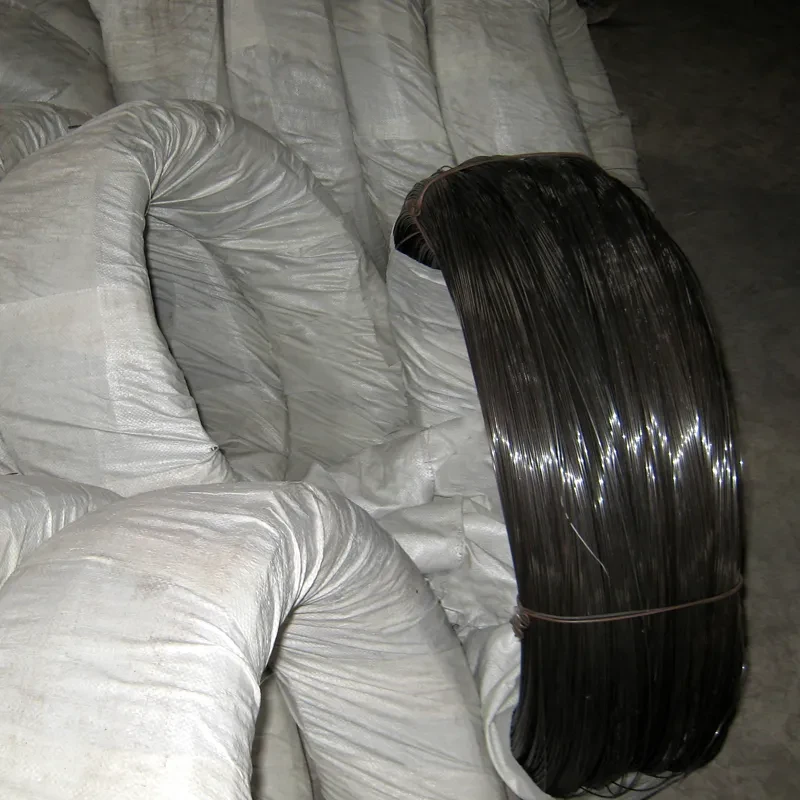
Coil siding is a continuous cladding material utilized extensively in agricultural, industrial, and commercial building construction, as well as residential applications. Manufactured from metallic coils—typically steel or aluminum—it offers a cost-effective and durable exterior solution. Technically, it positions itself between traditional siding materials like wood or vinyl and more specialized cladding systems such as metal panels. Its primary performance characteristics revolve around weather resistance, impact durability, and aesthetic versatility. The adoption of coil siding is driven by the need for lightweight, low-maintenance building envelopes, especially in regions prone to severe weather conditions. A core industry pain point lies in achieving consistent coating adhesion, preventing corrosion in varied climates, and ensuring long-term color retention, directly impacting lifecycle costs and aesthetic appeal. The increasing demand for energy-efficient buildings also puts pressure on manufacturers to improve the thermal performance of coil siding systems.
Material Science & Manufacturing
Coil siding begins with metallic substrates, predominantly galvanized steel (typically ASTM A653 Grade A) or aluminum alloys (primarily 5052-H38). Steel provides superior strength and cost-effectiveness, while aluminum offers excellent corrosion resistance and a lower weight. The galvanization process involves coating steel with a protective layer of zinc, forming a metallurgical bond that prevents rust. Aluminum's inherent corrosion resistance stems from the formation of a passive oxide layer. The core manufacturing process involves several stages: coil cleaning, pre-treatment (chemical conversion coating, typically chromate or post-treatment alternatives), primer application, paint application (often employing polyester, PVDF, or silicone-modified polyester coatings), and post-paint baking. Precise control of coating thickness (measured in micrometers) and bake temperature (typically between 220-260°C) are crucial for adhesion and durability. The tensile strength of the metal substrate is a critical parameter, influencing its ability to withstand wind loads and impact forces. Coil coating lines employ sophisticated tension control systems to maintain consistent web width and prevent material distortion. Chemical compatibility between the metal substrate, conversion coating, primer, and topcoat is paramount. Incompatible combinations can lead to blistering, delamination, and premature coating failure. The quality of the coil steel, including the amount of spangle (zinc crystal size), significantly affects coating adhesion. Further, the precise control of the coil’s surface profile (roughness) optimizes paint adhesion and aesthetic qualities.
Performance & Engineering
The performance of coil siding is dictated by its ability to withstand environmental stressors and structural loads. Wind load resistance is a primary concern, calculated according to ASCE 7, accounting for regional wind speeds and building height. The siding's profile (e.g., ribbed, corrugated, flat) and the gauge (thickness) of the metal directly impact its load-carrying capacity. Engineering calculations involve determining bending moments, shear stresses, and deflection limits. Impact resistance is assessed using standardized tests (ASTM E283) involving projectile impact. Coating performance is evaluated through accelerated weathering tests (ASTM G154), simulating years of UV exposure, temperature cycling, and humidity. Thermal expansion and contraction of the metal substrate are addressed through proper detailing and the use of appropriate fasteners. The choice of coating influences the siding’s ability to reflect solar radiation (Solar Reflectance Index – SRI), contributing to building energy efficiency. Corrosion resistance is enhanced through sacrificial coatings (zinc) and the selection of corrosion-inhibiting pigments in the paint formulation. Proper installation, including correct fastener spacing and overlap details, is vital to prevent water infiltration and ensure long-term performance. Furthermore, the flammability of the coating is a critical safety consideration, subject to building code requirements (NFPA 285 for fire propagation). Addressing thermal movement requires understanding the coefficient of thermal expansion of both the metal substrate and the coating system.
Technical Specifications
| Parameter | Steel (Galvanized) | Aluminum (5052-H38) | Coating Type (Typical) |
|---|---|---|---|
| Base Metal Thickness (Gauge) | 26-29 Gauge (0.40 - 0.51 mm) | 0.032 – 0.063 inch (0.81 – 1.6 mm) | Polyester |
| Zinc Coating (Steel) | G90 (0.90 oz/ft²) | N/A | PVDF |
| Tensile Strength | 550 – 700 MPa | 275 – 345 MPa | Silicone-Modified Polyester |
| Yield Strength | 275 – 350 MPa | 170 – 240 MPa | Acrylic |
| Coating Thickness (Total) | 25-40 μm | 25-40 μm | Galvalume |
| Salt Spray Resistance (ASTM B117) | >800 Hours | >1000 Hours | Pre-treatment (Chromate Conversion) |
Failure Mode & Maintenance
Coil siding is susceptible to several failure modes. Corrosion, particularly at cut edges or fastener locations, is a common issue, especially in marine or industrial environments. Coating delamination, often caused by inadequate surface preparation or incompatible coating layers, leads to rust formation and aesthetic degradation. Fatigue cracking can occur in areas subjected to repeated stress, such as near fasteners or corners, especially with thinner gauges. Chalking and fading of the coating are signs of UV degradation, reducing the siding’s aesthetic appeal and protective properties. Buckling or oil-canning, caused by improper installation or excessive thermal expansion, results in unsightly deformations. Maintenance involves regular cleaning with mild detergents to remove dirt and pollutants. Promptly repairing any damage to the coating, such as scratches or dents, prevents corrosion initiation. Inspecting fasteners annually and tightening or replacing them as needed ensures structural integrity. Periodic recoating may be necessary after 15-20 years, depending on the environment and coating type. Addressing ponding water issues, which accelerate corrosion, is critical. Failure analysis should involve visual inspection, coating adhesion testing, and metallurgical analysis to identify the root cause of the problem. Utilizing appropriate corrosion inhibitors during repairs is essential for long-term durability.
Industry FAQ
Q: What is the difference between polyester and PVDF coatings in terms of long-term performance?
A: Polyester coatings offer good gloss retention and color stability at a lower cost, but they are more susceptible to chalking and fading with prolonged UV exposure. PVDF coatings (Kynar 500) exhibit exceptional resistance to UV degradation, chalking, and chemical attack, resulting in significantly longer color retention and overall durability, making them ideal for harsh environments despite the higher initial cost.
Q: How does the gauge of the steel impact the siding's ability to withstand hail?
A: Lower gauge numbers (e.g., 26 gauge) represent thicker steel and offer greater impact resistance. While coil siding is generally hail-resistant, thinner gauges are more prone to denting from large hailstones. Specifying a higher gauge (e.g., 24 gauge) is recommended in regions with frequent or severe hail storms.
Q: What are the best practices for fastening coil siding to ensure a watertight installation?
A: Proper fastener selection and spacing are critical. Use corrosion-resistant fasteners compatible with the base metal and coating. Ensure fasteners are driven perpendicular to the siding and tightened to the manufacturer's recommended torque. Utilize appropriate sealants at fastener penetrations to prevent water ingress. Overlapping seams correctly and employing proper flashing details around windows and doors are also essential.
Q: What is the role of a conversion coating in the coil coating process?
A: A conversion coating, such as chromate or a post-treatment alternative (zirconium or titanium based), chemically modifies the metal surface to enhance adhesion of subsequent coatings and improve corrosion resistance. It creates a bonding layer between the metal substrate and the primer, preventing underfilm corrosion and extending the service life of the siding.
Q: What considerations should be made regarding thermal expansion and contraction when installing coil siding?
A: Coil siding expands and contracts with temperature fluctuations. Installation must accommodate this movement to prevent buckling or oil-canning. Proper fastener spacing, utilizing sliding clips or expansion joints, and avoiding overly tight fastening are essential. Allowing for appropriate expansion gaps at seams and around penetrations prevents stress buildup and ensures long-term performance.
Conclusion
Coil siding represents a versatile and cost-effective cladding solution for a wide range of building applications. Its performance characteristics—durability, weather resistance, and aesthetic flexibility—are heavily reliant on the selection of appropriate materials, meticulous manufacturing processes, and proper installation techniques. Understanding the underlying material science, including the interplay between metal substrates, coatings, and environmental factors, is crucial for optimizing long-term performance and minimizing the risk of premature failure.
The industry continues to innovate with advancements in coating technologies (e.g., anti-microbial coatings, self-cleaning coatings) and substrate materials (e.g., high-strength steels, recycled aluminum) to address evolving performance demands and sustainability goals. Future developments will likely focus on enhancing thermal performance through improved insulation integration and refining manufacturing processes to minimize environmental impact, making coil siding an increasingly attractive and responsible building envelope solution.