



Introduction
Collated coil nails represent a significant advancement in fastening technology within the construction and woodworking industries. Unlike individually loaded nails, these are mechanically collated and fed into pneumatic nailers in a continuous strip, dramatically increasing productivity. Their technical position lies between traditional hand nailing and automated screw fastening, offering a balance of speed, cost-effectiveness, and structural integrity. Core performance characteristics center around nail shear strength, bending resistance, withdrawal capacity, and consistent driving depth. They are fundamentally employed in framing, sheathing, roofing, fencing, and pallet manufacturing, streamlining processes and reducing labor costs. A key challenge facing the industry revolves around optimizing nail collation for varying wood densities and minimizing misfires, impacting operational efficiency and material waste. Understanding the nuances of coil nail manufacturing, material selection, and application-specific engineering is crucial for ensuring optimal performance and longevity in demanding applications.
Material Science & Manufacturing
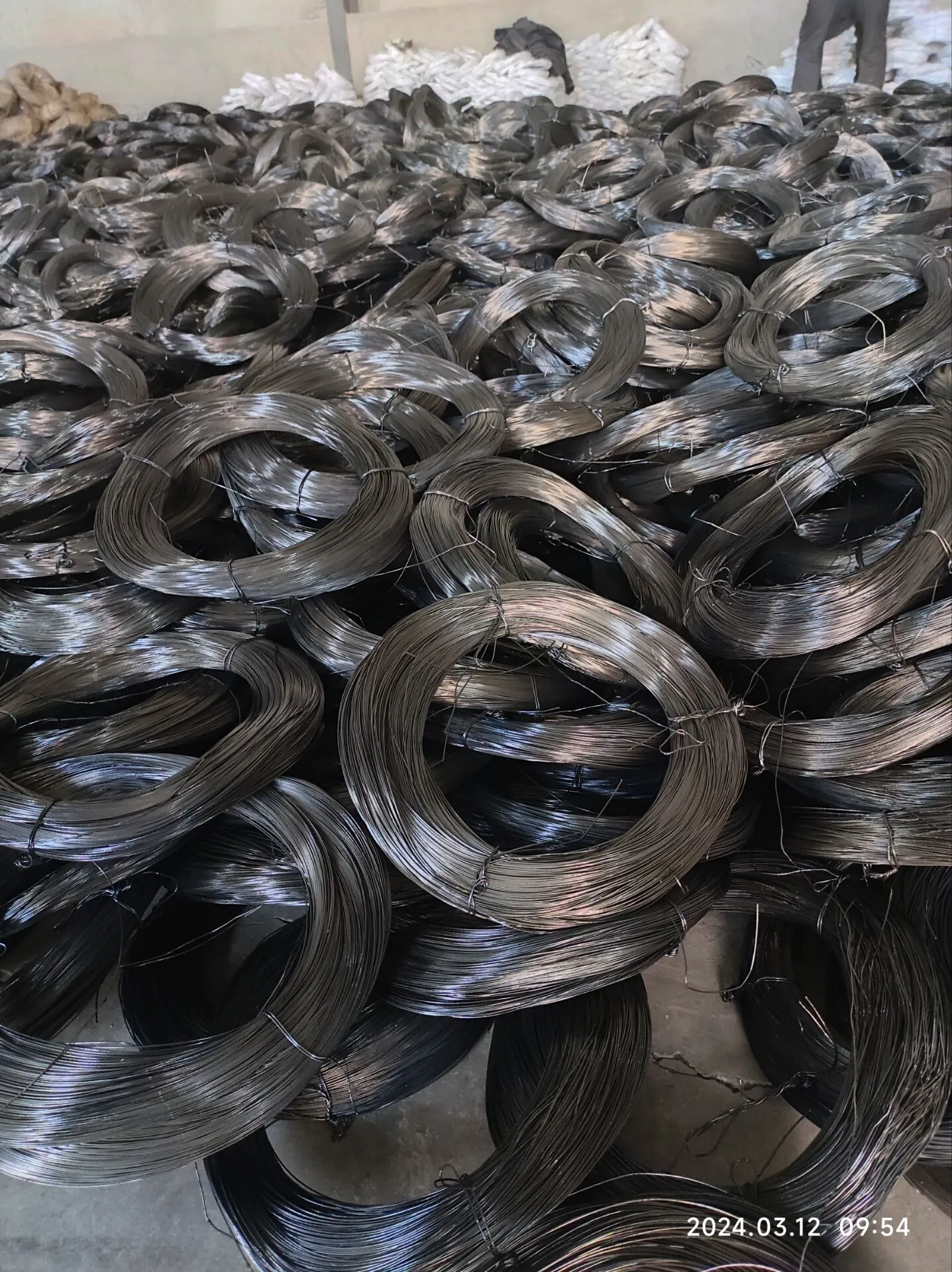
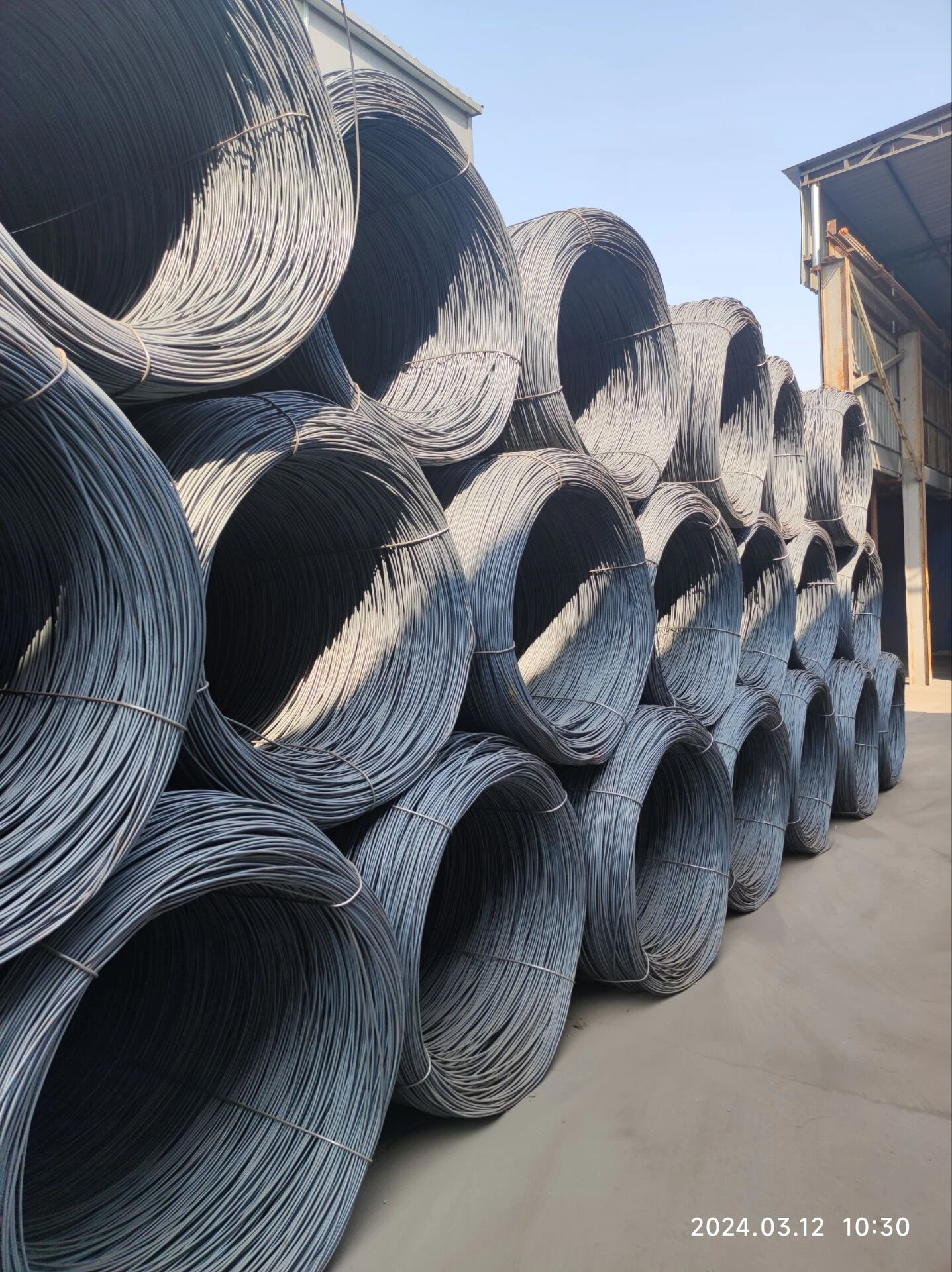
The core material for collated coil nails is typically carbon steel, specifically SAE 1008 or 1010, chosen for its balance of ductility and strength. These steels contain approximately 0.08% to 0.10% carbon, enabling adequate formability during collation and sufficient hardness for penetration. The wire is drawn through a series of dies to achieve the desired gauge (diameter). Surface treatments, such as galvanization (zinc coating) or polymer coating, are crucial for corrosion resistance. Galvanization, including electrogalvanizing and hot-dip galvanizing, provides a sacrificial layer protecting the steel substrate. Polymer coatings, typically nylon or polyester, offer enhanced corrosion protection and reduced noise during driving.
The manufacturing process begins with wire coiling. The drawn wire is fed into a coiling machine that precisely winds it into a continuous coil. This coil then undergoes a collation process where the nails are aligned and connected using plastic or paper collation tape. The collation tape's material and adhesive strength are critical for preventing nail separation during feeding. The collated strip is then wound into larger coils suitable for nailer magazines. Key parameters requiring precise control include wire tension during coiling, collation accuracy (nail angle and spacing), and tape adhesion strength. Variations in these parameters directly affect nailer performance and reliability. Furthermore, heat treatment processes, such as quenching and tempering, are employed to achieve the desired hardness and ductility of the nail shanks. The depth of hardening and tempering directly influences the nail's resistance to bending and shear forces. Quality control involves rigorous dimensional checks, coating thickness measurements, and tensile testing of the wire to ensure compliance with industry standards.
Performance & Engineering
The performance of collated coil nails is governed by several engineering principles. Shear strength, the nail's resistance to forces acting parallel to its shank, is crucial for load-bearing applications. Bending resistance, or the nail's ability to withstand lateral forces, is vital for preventing structural deformation. Withdrawal capacity, the force required to remove the nail, determines the joint's long-term stability. These properties are directly related to the nail's material properties, shank geometry (smooth vs. ring shank), and point style (sharp, blunted, or diamond). Force analysis dictates that higher gauge nails (smaller diameter) require increased driving force but offer reduced wood splitting. Conversely, larger gauge nails provide greater holding power but can induce splitting, particularly in hardwoods. Environmental resistance, specifically corrosion resistance, is paramount for exterior applications. Galvanization thickness and polymer coating quality directly impact the nail's service life in corrosive environments. Compliance requirements vary by region, with standards dictating nail material, dimensions, and performance characteristics. For example, in seismic zones, nail patterns and spacing are dictated by building codes to ensure structural resilience against earthquake forces. The correct nailer setting is also vital for performance. Insufficient pressure will result in incomplete penetration, while excessive pressure can damage the wood or the nailer itself.
Technical Specifications
| Nail Gauge (Diameter) | Nail Length (inches) | Shank Type | Coil Capacity (nails/coil) |
|---|---|---|---|
| 0.092" (2.34 mm) | 1.5" (38.1 mm) | Smooth | 300 |
| 0.103" (2.62 mm) | 2.0" (50.8 mm) | Ring Shank | 250 |
| 0.113" (2.87 mm) | 2.5" (63.5 mm) | Screw Shank | 200 |
| 0.120" (3.05 mm) | 3.0" (76.2 mm) | Smooth | 150 |
| 0.131" (3.33 mm) | 3.5" (88.9 mm) | Ring Shank | 125 |
| 0.148" (3.76 mm) | 4.0" (101.6 mm) | Screw Shank | 100 |
Failure Mode & Maintenance
Collated coil nails are susceptible to several failure modes in practical applications. Fatigue cracking can occur in high-stress joints subjected to cyclical loading, especially with lower-grade steel. Bending failure arises from excessive lateral forces or improper nailer angle, causing the nail shank to deform permanently. Withdrawal failure results from insufficient shank length or weak wood fiber engagement, leading to nail pull-out. Corrosion is a significant concern in humid or chemically exposed environments, causing nail shank degradation and reduced holding power. Delamination of polymer coatings can accelerate corrosion. Misfires, caused by improper nailer settings or damaged collation tape, result in incomplete penetration and weakened joints. To mitigate these failures, proper nail selection is critical; matching the nail gauge, length, and shank type to the application requirements. Regular nailer maintenance, including cleaning and lubrication, is essential for preventing misfires. Storage of coil nails in a dry environment prevents corrosion. In applications prone to high stress, ring shank or screw shank nails should be used to enhance withdrawal resistance. Periodic inspection of installed nails for signs of corrosion or deformation is recommended for critical structural connections.
Industry FAQ
Q: What is the difference between smooth shank and ring shank nails, and when should each be used?
A: Smooth shank nails are best suited for applications where shear strength is the primary concern and wood splitting is a potential issue. They penetrate easily and provide a clean finish. Ring shank nails feature rings along the shank, which increase withdrawal resistance by mechanically locking into the wood fibers. They are ideal for applications where pull-out strength is critical, such as framing and decking.
Q: How does galvanization affect the long-term performance of coil nails in outdoor applications?
A: Galvanization provides a sacrificial layer of zinc that protects the underlying steel from corrosion. The thickness of the zinc coating directly correlates with the nail's corrosion resistance. Hot-dip galvanizing offers thicker and more durable protection than electrogalvanizing. However, even with galvanization, nails in highly corrosive environments (e.g., saltwater exposure) may eventually corrode over time.
Q: What are the common causes of misfires with coil nailers?
A: Common causes include low air pressure, a dirty or clogged nailer, damaged collation tape, or incorrect nailer settings. Ensure the air compressor is providing sufficient pressure, the nailer is clean and lubricated, the collation tape is intact, and the depth adjustment is properly set for the wood being used.
Q: What is the significance of nail angle in achieving optimal joint strength?
A: The nail angle, or the angle at which the nail is driven into the wood, significantly impacts joint strength. An incorrect angle can reduce the nail's shear strength and withdrawal resistance. Nails should be driven perpendicular to the wood surface for maximum holding power. Using a nailer with adjustable angle settings helps to maintain the correct angle.
Q: How do different wood densities affect nail driving performance and holding power?
A: Harder woods require greater driving force and can increase the risk of splitting. Using a larger nail gauge or a blunted nail point can help to mitigate splitting. Softer woods require less driving force but may offer less holding power. Ring shank or screw shank nails are particularly beneficial in softer woods to enhance withdrawal resistance.
Conclusion
Collated coil nails represent a highly efficient fastening solution, but their optimal performance is contingent upon a thorough understanding of material science, manufacturing processes, and engineering principles. The selection of appropriate nail gauge, length, shank type, and coating is paramount for ensuring structural integrity and longevity. Consistent adherence to industry standards and rigorous quality control during manufacturing are equally crucial.
Looking forward, advancements in coating technologies, such as the development of more durable and environmentally friendly polymer coatings, will enhance the corrosion resistance of coil nails. Furthermore, the integration of sensor technology into nailers to monitor driving force and angle in real-time promises to optimize joint quality and minimize failures. Continued research into the biomechanics of nail-wood interaction will further refine nail designs and application techniques, ultimately leading to more robust and reliable fastening solutions.