



Introduction
Double loop bale ties are a critical fastening solution utilized extensively in agricultural, recycling, and industrial packaging applications. These ties, typically constructed from coated or uncoated steel wire, are employed to securely bind materials such as hay, straw, cardboard, textiles, and aluminum for efficient handling, storage, and transportation. Their technical position in the supply chain lies between wire manufacturing and the final packaged product, acting as a crucial component in maintaining product integrity and enabling mechanized handling. Core performance characteristics include tensile strength, pliability, corrosion resistance, and consistent looping formation – all vital for automated tying equipment and the prevention of material loss during transit. The selection of appropriate bale tie materials and dimensions directly impacts operational efficiency and reduces material wastage, representing a significant cost consideration for businesses.
Material Science & Manufacturing
The fundamental material for double loop bale ties is typically low-carbon steel wire, specified for its ductility and cost-effectiveness. However, the specific steel grade (e.g., SAE 1008, SAE 1010) varies based on required tensile strength and environmental exposure. Coating materials significantly influence corrosion resistance. Common coatings include galvanized zinc (providing sacrificial protection), polyethylene (PE) – offering enhanced flexibility and resistance to chemical degradation – and polypropylene (PP) – similar to PE but with increased temperature resistance. Wire diameter ranges typically from 1.55mm to 2.1mm, influencing the tie’s breaking strength.
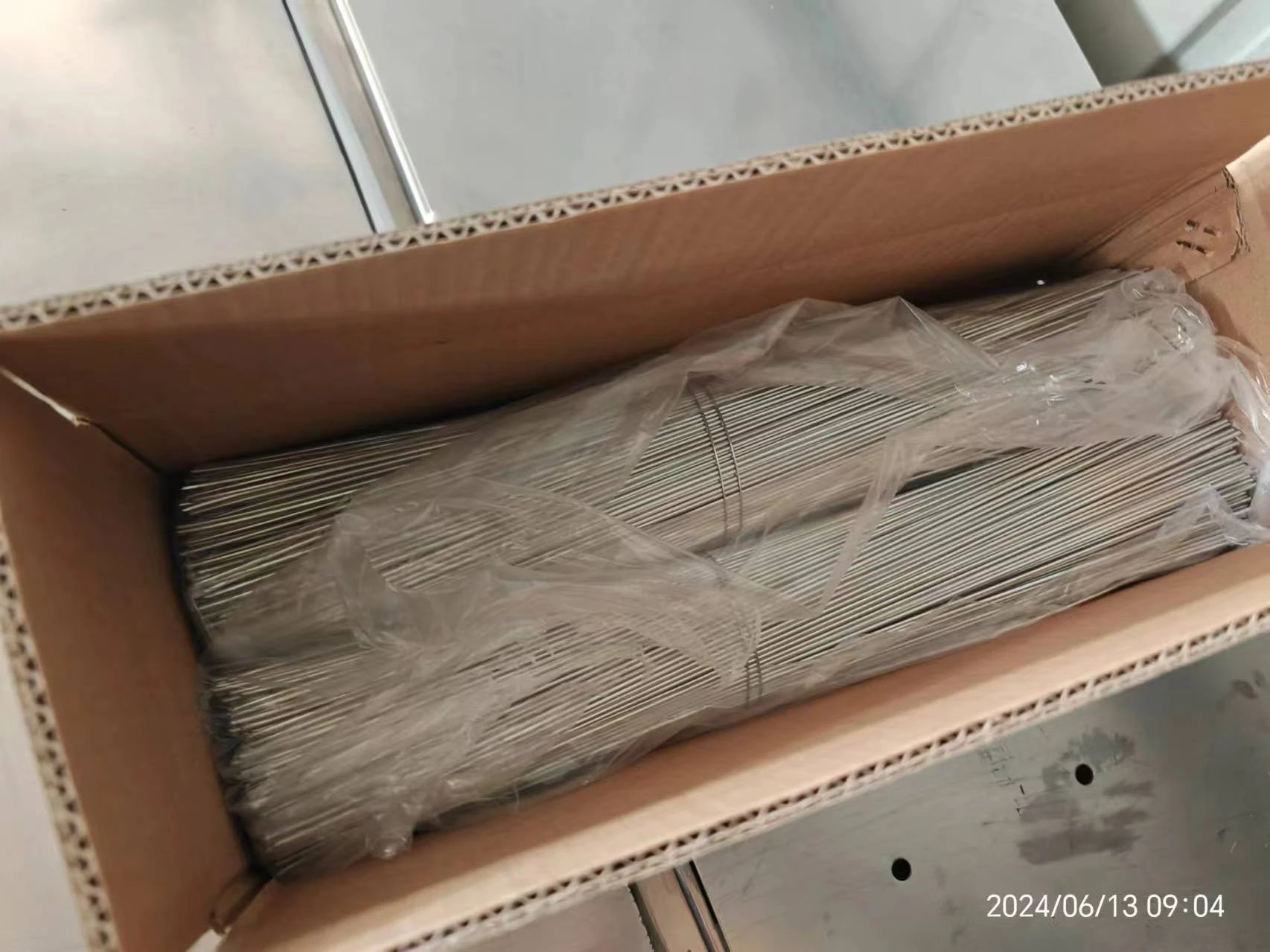
The manufacturing process begins with drawing the steel wire to the desired diameter. This is followed by a crucial annealing stage to relieve internal stresses induced during drawing, enhancing ductility and formability. Next, the wire is fed into a specialized baling tie forming machine. This machine simultaneously bends the wire into a double-loop configuration, accurately controlling loop size and wire pitch. Quality control is paramount, involving continuous monitoring of wire diameter, coating thickness (using eddy current testing), and loop dimensions. Post-forming, ties are typically packaged in stacks or coils, secured with plastic strapping or banding. Key parameters controlled during manufacturing include wire tension, bending radius (to prevent cracking), coating adhesion, and loop consistency. Variations in these parameters directly impact the tie's performance during application and its long-term reliability.
Performance & Engineering
The primary performance characteristic of double loop bale ties is tensile strength, dictating the maximum load the tie can withstand before failure. This is directly related to wire diameter, steel grade, and coating type. Engineering analysis focuses on the force distribution within the tie during bale compression. The double-loop design distributes stress more evenly than a single loop, minimizing localized stress concentrations and enhancing resistance to pull-out. Environmental resistance is also critical. Exposure to moisture, ultraviolet (UV) radiation, and varying temperatures can accelerate corrosion and degrade coating integrity.
Compliance requirements vary by region and application. For agricultural applications, ties must meet standards regarding material safety and potential contamination of the baled product. For recycling applications, ties must be compatible with automated sorting equipment and pose minimal risk of damage to the machinery. The engineering design also considers the interaction between the tie and the tying mechanism. Consistent loop formation and appropriate wire pliability are essential for reliable automatic operation, minimizing downtime and preventing tie jams. The coefficient of friction between the wire and the bale material also influences the holding power of the tie; higher friction reduces slippage and enhances stability. Fatigue resistance is important for bales subjected to repeated handling and compression cycles.
Technical Specifications
| Parameter | Unit | Typical Value (Uncoated Steel) | Typical Value (PE Coated Steel) |
|---|---|---|---|
| Wire Diameter | mm | 1.85 | 1.85 |
| Tensile Strength | MPa | 400-500 | 350-450 |
| Loop Length (each loop) | mm | 30-40 | 30-40 |
| Loop Pitch | mm | 15-25 | 15-25 |
| Coating Thickness (PE) | µm | N/A | 40-60 |
| Zinc Coating Weight (Galvanized) | g/m² | 60-80 | N/A |
Failure Mode & Maintenance
Common failure modes for double loop bale ties include tensile overload (leading to wire fracture), corrosion-induced weakening (particularly in uncoated steel), fatigue cracking (from repeated bending and compression), and coating degradation (reducing corrosion resistance). Tensile overload typically occurs when the bale weight exceeds the tie’s rated capacity or when uneven bale density creates localized stress concentrations. Corrosion is accelerated by exposure to moisture, salt spray, and acidic environments. Fatigue cracking initiates at stress risers, such as bends or surface defects, and propagates under cyclic loading. Coating degradation manifests as cracking, peeling, or blistering, exposing the underlying steel to corrosion.
Preventative maintenance primarily focuses on proper storage and handling. Ties should be stored in a dry, protected environment to minimize corrosion. Regular inspection of bales for damaged or corroded ties is crucial. When replacing ties, ensure the new ties have the appropriate tensile strength and coating for the application. For galvanized ties, periodic application of a corrosion inhibitor can extend their service life. In automated tying systems, regular inspection and maintenance of the tying mechanism are essential to prevent tie jams and ensure consistent loop formation. Analyzing failed ties through metallurgical examination can identify the root cause of failure and inform material selection or process improvements. Consider utilizing corrosion-resistant alloys or enhanced coatings for applications with harsh environmental conditions.
Industry FAQ
Q: What is the impact of wire diameter on bale tie performance?
A: Wire diameter is directly proportional to tensile strength. A larger diameter wire offers higher strength but may reduce pliability, potentially leading to issues in automated tying equipment. Selecting the optimal diameter involves balancing strength requirements with the tying machine’s capabilities.
Q: How does polyethylene (PE) coating affect the performance of bale ties?
A: PE coating significantly improves corrosion resistance and provides increased flexibility, reducing the risk of cracking during bending. However, PE coatings generally reduce the overall tensile strength compared to uncoated steel.
Q: What are the key considerations when selecting bale ties for outdoor use?
A: For outdoor applications, corrosion resistance is paramount. Galvanized or PE-coated ties are recommended. UV resistance should also be considered, as prolonged sun exposure can degrade PE coatings. Regular inspection for corrosion is essential.
Q: What causes bale ties to break during the baling process?
A: Common causes include exceeding the tie’s tensile strength, improper tying machine settings (e.g., insufficient crimp or twisting), and pre-existing defects in the wire. Ensuring the baling machine is correctly calibrated and using high-quality ties are critical.
Q: What is the difference between galvanized and PE coated bale ties in terms of longevity?
A: Galvanized ties offer sacrificial corrosion protection – the zinc coating corrodes before the steel. PE-coated ties provide a barrier against moisture and chemicals. In mild environments, galvanized ties may last longer, while in harsh, chemically exposed environments, PE-coated ties often outperform galvanized options. The longevity of both is dependent on environmental conditions and proper handling.
Conclusion
Double loop bale ties, while seemingly simple components, are critical to the efficiency and reliability of various industrial processes. Their performance is dictated by a complex interplay of material science, manufacturing precision, and environmental factors. Understanding these nuances is essential for selecting the appropriate tie for a specific application, maximizing operational efficiency, and minimizing material losses. The ongoing development of improved coating technologies and steel alloys continues to enhance the performance and longevity of these crucial fastening elements.
Future advancements are likely to focus on developing even more corrosion-resistant coatings, optimizing tie designs for automated tying systems, and exploring the use of biodegradable materials for environmentally sensitive applications. Thorough failure analysis, coupled with continuous improvement in manufacturing processes, will remain paramount to ensuring the consistent quality and reliability of double loop bale ties across diverse industries.