



Introduction
The double loop tying tool is a mechanical device employed for the rapid and consistent formation of double loops in wire, primarily utilized in securing agricultural netting, vineyard training systems, horticultural supports, and light gauge industrial fencing. Positioned within the fastening and joining technology sector, it represents a significant advancement over manual wire twisting and knotting methods, offering increased efficiency and reduced labor costs. Core performance characteristics center around loop consistency, tensile strength of the formed loop, wire diameter compatibility, operational speed, and long-term durability under field conditions. The tool aims to mitigate the inherent variability and ergonomic issues associated with hand-tied wire loops, thereby improving structural integrity and minimizing worker strain. Its adoption is driven by industries demanding cost-effective, reliable, and scalable wire securing solutions.
Material Science & Manufacturing
The construction of a typical double loop tying tool relies on a combination of high-carbon steel alloys, specifically AISI 1045 or similar grades, for the primary forming and cutting components due to their high yield strength, hardness, and resistance to deformation. The handles and structural frame often utilize polypropylene or reinforced nylon polymers, chosen for their impact resistance, lightweight properties, and cost-effectiveness. Wire guides and loop forming mandrels are commonly manufactured from hardened tool steel (e.g., D2) to withstand repeated stress and prevent wear.
The manufacturing process generally involves several key stages. Steel components are initially formed via cold forging or investment casting, followed by heat treatment (hardening and tempering) to achieve desired mechanical properties. Polymer parts are produced through injection molding, requiring precise mold design and control of injection parameters (temperature, pressure, cycle time) to ensure dimensional accuracy and structural integrity. Critical parameters during steel processing include maintaining consistent carbon content, achieving proper grain structure during forging, and optimizing heat treatment cycles to balance hardness and toughness. The cutting blades undergo precision grinding and sharpening to ensure clean and efficient wire severing. Assembly involves precise alignment of components and secure fastening with corrosion-resistant hardware. Quality control checks include hardness testing, dimensional inspection, and functional testing of the completed tool.
Performance & Engineering
The performance of a double loop tying tool is fundamentally governed by force analysis related to wire bending, cutting, and loop formation. The leverage ratio of the handles to the forming mechanism dictates the force required to deform the wire. Engineering considerations center around minimizing this force while maintaining structural rigidity. The geometry of the loop forming mandrel is critical for achieving consistent loop diameters and preventing wire fracture. The cutting mechanism must generate sufficient shear force to cleanly sever the wire without causing deformation or burrs. Environmental resistance, particularly corrosion protection, is a significant factor. The tool is often exposed to moisture, UV radiation, and potentially corrosive agricultural chemicals, necessitating coatings such as zinc plating or powder coating to prevent rust and degradation. Compliance requirements vary by region but generally focus on worker safety and material composition (e.g., RoHS compliance restricting hazardous substances). Functional implementation relies on a robust cam mechanism or linkage system to convert manual force into controlled wire manipulation. The tool’s kinematic chain must be designed to minimize friction and wear, ensuring long-term operational reliability.
Technical Specifications
| Parameter | Specification | Testing Standard | Typical Value |
|---|---|---|---|
| Wire Diameter Compatibility | 1.2mm - 2.0mm | ASTM A653 | 1.6mm |
| Loop Diameter | Adjustable: 15mm – 30mm | ISO 6935-2 | 22mm |
| Cutting Force | Maximum 60 N | EN 61330-1 | 55N |
| Handle Force (Maximum) | 40 N | ISO 5354 | 35N |
| Tool Weight | 0.3 kg – 0.6 kg | N/A | 0.45kg |
| Corrosion Resistance | Minimum 48 hours salt spray test | ASTM B117 | 72 hours |
Failure Mode & Maintenance
Common failure modes in double loop tying tools include fatigue cracking of the handle assembly, particularly around stress concentration points; wear and deformation of the cutting blades leading to reduced cutting efficiency; corrosion of steel components causing jamming and reduced lifespan; and delamination of polymer components due to UV exposure and temperature fluctuations. Fatigue cracking is often initiated by microscopic flaws in the metal and exacerbated by repeated stress cycles. Blade wear is a result of abrasive contact with the wire and can be mitigated by using hardened blade materials. Corrosion occurs due to electrochemical reactions between the metal and the environment. Maintenance involves regular cleaning to remove debris and prevent corrosion, lubrication of moving parts to reduce friction, and periodic inspection for cracks or wear. Damaged blades should be replaced promptly. Polymer components can be protected with UV-resistant coatings. If significant corrosion is present, consider replacing the affected components or applying a more durable protective coating. Preventative maintenance schedules should be implemented based on usage frequency and environmental exposure.
Industry FAQ
Q: What wire materials are compatible with this tool?
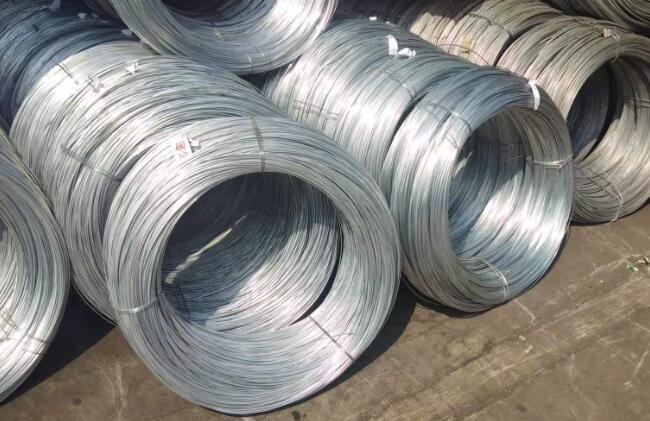
A: The tool is primarily designed for use with galvanized steel wire, but can also accommodate annealed steel wire and certain grades of stainless steel wire within the specified diameter range (1.2mm - 2.0mm). However, using excessively hard or high-tensile wire can accelerate blade wear and potentially damage the tool. Copper wire is not recommended due to its ductility and potential to clog the mechanism.
Q: How does humidity affect the tool’s performance?
A: High humidity significantly increases the risk of corrosion, particularly in untreated steel components. Regular cleaning and lubrication are crucial in humid environments. Consider using tools with enhanced corrosion resistance coatings (e.g., zinc plating, powder coating) for prolonged use in coastal or high-humidity regions.
Q: What is the expected lifespan of the cutting blades?
A: The lifespan of the cutting blades depends heavily on the wire material, wire gauge, and frequency of use. Under normal conditions, blades should last for approximately 5,000 – 10,000 cuts. Regular inspection for dullness or chipping is recommended, and blades should be replaced when performance deteriorates.
Q: Is the loop diameter truly adjustable across the entire specified range?
A: Yes, the loop diameter is adjustable via a mechanical adjustment mechanism. However, achieving precise loop diameters at the extreme ends of the range may require fine-tuning and careful operation. Variations in wire diameter can also affect the final loop size.
Q: What safety precautions should be observed when using this tool?
A: Always wear appropriate eye protection to prevent wire fragments from entering the eyes. Avoid using excessive force, as this can lead to tool breakage or wire snapping. Keep hands clear of the cutting mechanism during operation. Store the tool in a safe location when not in use. Do not modify the tool in any way, as this may compromise its safety and performance.
Conclusion
The double loop tying tool represents a practical and cost-effective solution for automating wire securing tasks in diverse applications. Its performance hinges on a careful interplay of material science, manufacturing precision, and ergonomic design. Understanding the tool's limitations – particularly concerning material compatibility and environmental factors – is crucial for maximizing its lifespan and ensuring consistent, reliable operation.
Future advancements may focus on incorporating more durable materials, enhancing corrosion resistance through advanced coating technologies, and integrating intelligent features such as automated wire feeding and loop diameter control. Continued optimization of the tool's kinematic chain and cutting mechanism will further improve its efficiency and reduce operator fatigue, solidifying its position as a vital component in modern agricultural and industrial practices.