



Introduction
Electro galvanized nails are fasteners produced by applying a zinc coating to steel nails through an electrolytic process. They serve as a crucial component in numerous construction, woodworking, and industrial assembly applications where corrosion resistance is paramount. Unlike hot-dip galvanization, electro galvanization offers a thinner, more uniform coating, typically resulting in a brighter finish and enhanced ductility. This method provides a sacrificial barrier protecting the underlying steel from environmental degradation, extending the service life of the fastened assembly. Within the broader fastener industry chain, electro galvanized nails bridge the gap between basic steel nail manufacturing and specialized applications requiring moderate corrosion protection – a performance level situated between uncoated steel nails and more robustly coated alternatives like hot-dip galvanized or stainless-steel fasteners. Their primary performance characteristic lies in their ability to resist rust and corrosion, maintaining structural integrity in exposed environments for a reasonable duration, and enabling cost-effective fastening solutions.
Material Science & Manufacturing
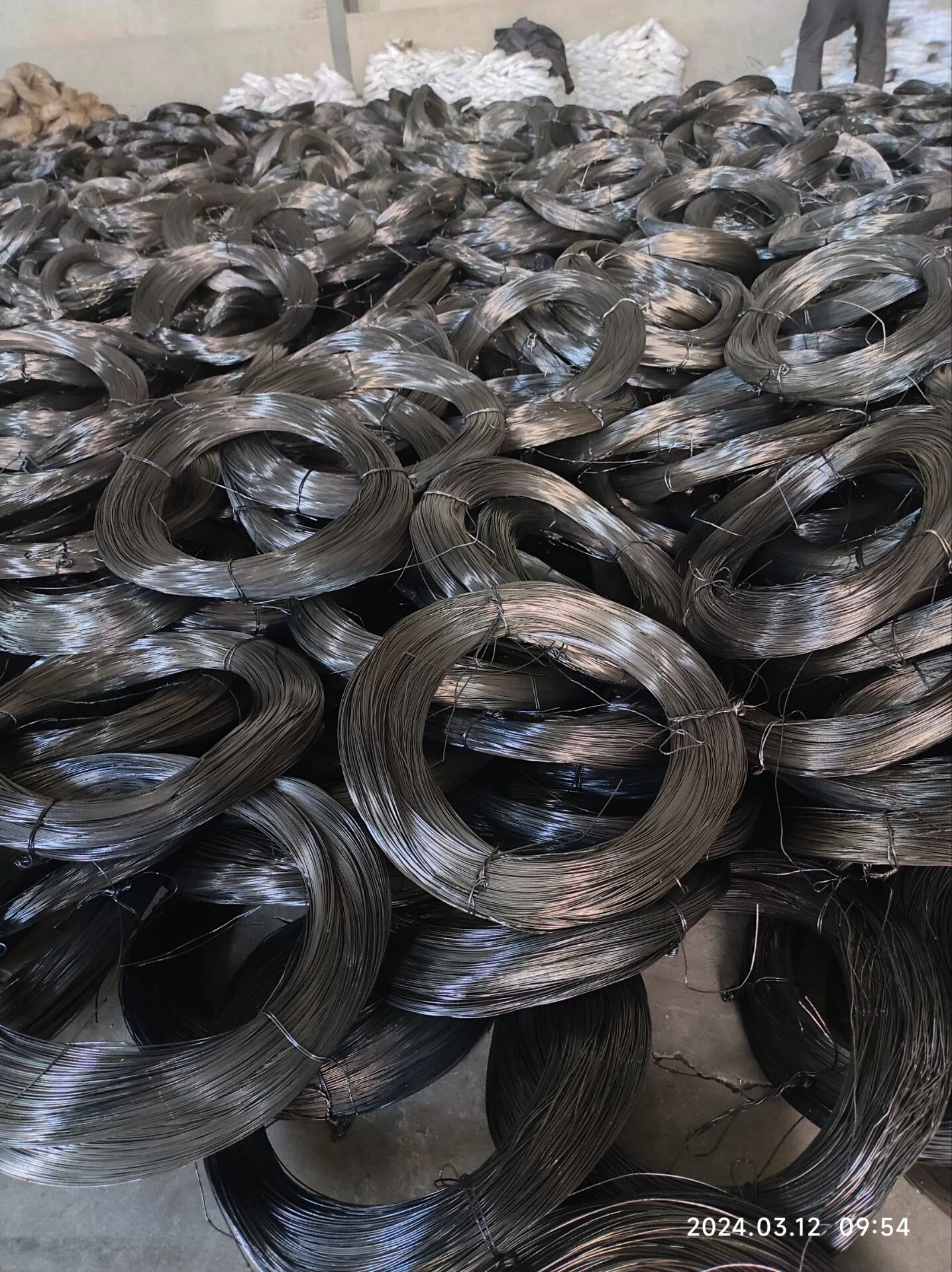
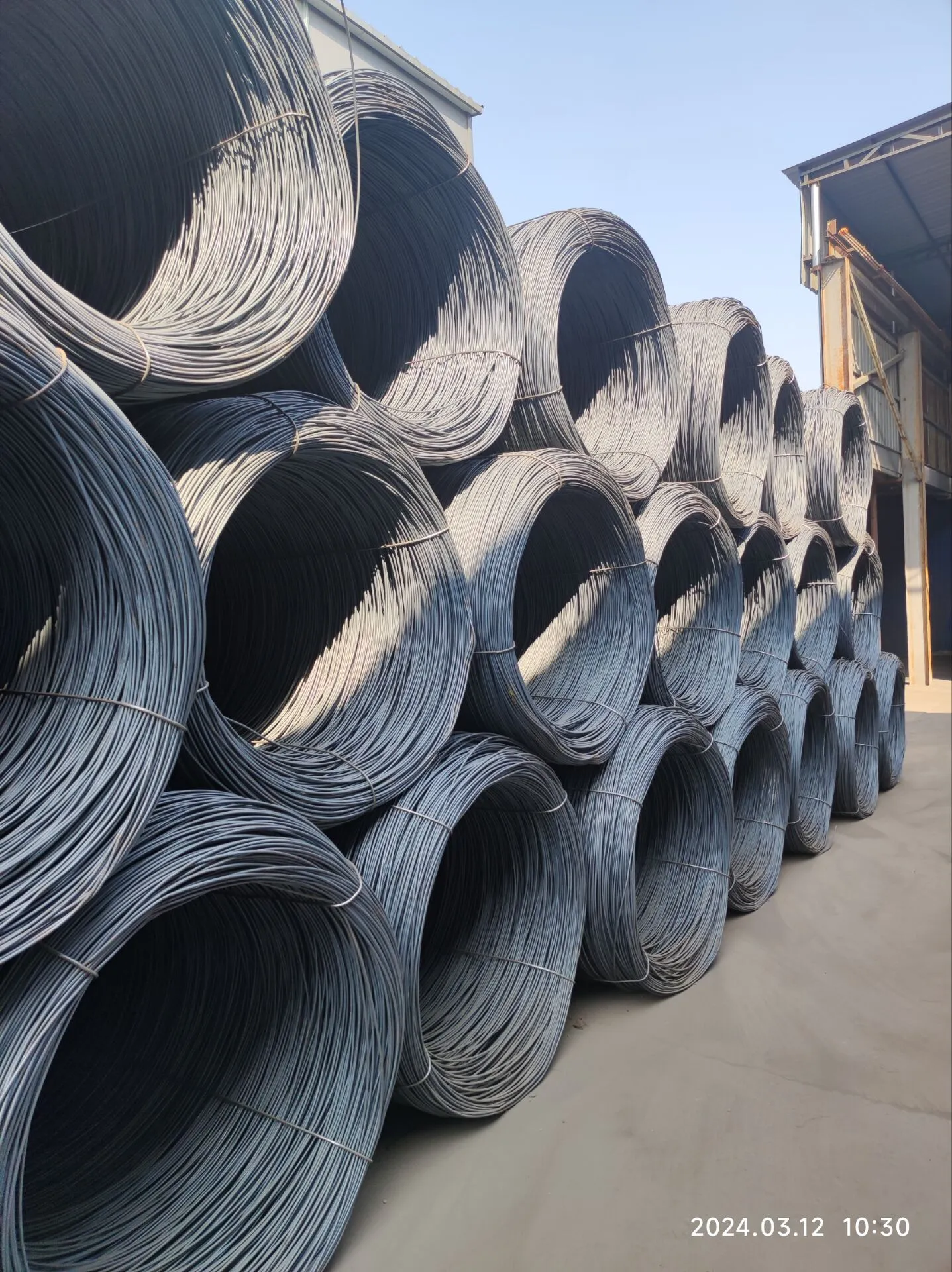
The fundamental material for electro galvanized nails is typically low-carbon steel wire rod, often AISI 1008 or similar grades, chosen for its balance of strength and ductility. This steel comprises primarily iron, with carefully controlled levels of carbon (0.05-0.25%), manganese, phosphorus, and sulfur. The manufacturing process begins with wire drawing, reducing the diameter of the wire rod to the desired nail shank size. This process induces work hardening, increasing the steel's tensile strength but decreasing ductility. Subsequent heading or cold forming processes shape the wire into nail blanks, creating the head and point features. A critical parameter in this stage is die alignment and lubrication, as these directly influence the nail’s structural integrity and prevent defects like splits or deformed heads. Following forming, the nails undergo a cleaning and degreasing stage to remove oils and contaminants, preparing the surface for galvanization.
Electro galvanization itself involves immersing the cleaned nails in an electrolyte solution containing zinc ions. A direct electric current is applied, causing zinc ions to deposit onto the steel surface, forming a protective zinc layer. Key process parameters include current density, electrolyte composition (typically zinc sulfate with additives like boric acid), temperature (around 30-60°C), and agitation. Maintaining consistent electrolyte composition and optimal current density are critical to achieving a uniform coating thickness and preventing issues like dendrite formation or a powdery deposit. Coating thickness typically ranges from 5 to 25 micrometers, depending on the desired corrosion resistance level. Following galvanization, a passivation treatment, often a chromate conversion coating, can be applied to further enhance corrosion protection and improve adhesion of subsequent coatings. Finally, nails may undergo polishing or surface treatment to achieve a desired aesthetic finish.
Performance & Engineering
The performance of electro galvanized nails is primarily governed by the mechanical properties of the steel core and the protective characteristics of the zinc coating. Tensile strength, shear strength, and bending strength are critical mechanical properties influencing the nail's load-bearing capacity. These properties are determined by the steel grade and the degree of cold work induced during manufacturing. Force analysis during nail driving considers the impact force, penetration resistance of the wood or substrate, and the nail's resistance to bending. A key engineering consideration is the potential for hydrogen embrittlement during the electro galvanization process. Atomic hydrogen, a byproduct of the electrolysis reaction, can diffuse into the steel lattice, reducing ductility and increasing susceptibility to cracking, particularly under stress. Process controls, such as maintaining low pH levels in the electrolyte and incorporating cathodic cleaning steps, mitigate this risk.
Environmental resistance is directly related to the zinc coating’s ability to provide sacrificial corrosion protection. Zinc corrodes preferentially to steel, protecting the underlying substrate even if the coating is scratched or damaged. However, the rate of zinc corrosion depends on the environment’s exposure to moisture, salinity, and pollutants. Compliance requirements for electro galvanized nails vary depending on the application and geographic region. For structural applications, nails must meet standards relating to load-bearing capacity, ductility, and coating thickness. For outdoor use, adherence to standards concerning corrosion resistance and environmental impact is essential. The performance is significantly affected by the substrate material – nails driven into chemically reactive woods may experience accelerated corrosion due to galvanic effects.
Technical Specifications
| Parameter | Typical Value (Imperial) | Typical Value (Metric) | Testing Standard |
|---|---|---|---|
| Shank Diameter | 8d – 16d (varies) | 2.38 mm – 4.06 mm (varies) | ASTM F157 |
| Shank Length | 1" – 3.5" (varies) | 25.4 mm – 88.9 mm (varies) | ASTM F157 |
| Coating Thickness (Zinc) | 0.5 – 1.5 mils | 12.7 – 38.1 µm | ASTM B693 |
| Tensile Strength (Steel Core) | 80,000 – 120,000 psi | 552 – 827 MPa | ASTM F157 |
| Shear Strength (Steel Core) | 60,000 – 90,000 psi | 414 – 621 MPa | ASTM F157 |
| Zinc Coating Adhesion | ≥ 5 lbs/in² | ≥ 34.5 kPa | ASTM B693 |
Failure Mode & Maintenance
Electro galvanized nails are susceptible to several failure modes, primarily related to corrosion and mechanical stress. The most common failure is corrosion-induced weakening of the nail shank, leading to pull-through or shear failure of the fastened assembly. This is accelerated in environments with high humidity, salinity, or exposure to corrosive chemicals. Hydrogen embrittlement, as previously discussed, can also contribute to premature failure, particularly under cyclical loading. Fatigue cracking can occur in nails subjected to repeated stress cycles, especially in applications involving vibration or impact. Another potential failure mode is coating delamination, where the zinc coating separates from the steel substrate, reducing corrosion protection. This can be caused by poor surface preparation, insufficient adhesion promotion during galvanization, or mechanical damage.
Maintenance strategies focus on preventative measures and early detection of corrosion. Regular inspection of fastened assemblies in harsh environments is crucial. If corrosion is detected, replacing the affected nails is the most reliable solution. Applying a protective coating, such as paint or sealant, to the nail heads and exposed shanks can help slow down corrosion. In some cases, applying a sacrificial coating (e.g., zinc-rich primer) to the surrounding wood can provide additional corrosion protection. Avoid using electro galvanized nails in direct contact with dissimilar metals (e.g., aluminum) to prevent galvanic corrosion. Proper storage of nails in a dry environment is essential to prevent pre-corrosion during storage. Furthermore, using nails with thicker zinc coatings, or considering alternative materials like stainless steel for highly corrosive environments, can significantly extend the service life of the assembly.
Industry FAQ
Q: What is the primary difference between electro galvanization and hot-dip galvanization in terms of corrosion protection?
A: Hot-dip galvanization creates a significantly thicker zinc coating (typically 50-150 µm) resulting in superior long-term corrosion resistance. Electro galvanization, with its thinner coating (12.7-38.1 µm), provides moderate corrosion protection suitable for less severe environments. Hot-dip galvanization also creates a more metallurgical bond with the steel substrate, while electro galvanization relies on an electrolytic adhesion.
Q: Can electro galvanized nails be used with treated lumber?
A: Yes, electro galvanized nails can be used with treated lumber, but the type of treatment must be considered. Some lumber treatments contain chemicals that can react with zinc, accelerating corrosion. Using nails specifically designed for treated lumber (often with increased coating thickness or alternative coatings) is recommended to ensure long-term performance.
Q: What causes the “white rust” sometimes observed on electro galvanized nails?
A: White rust is a corrosion product (zinc oxide) that forms when the zinc coating reacts with moisture and carbon dioxide in the air. It’s a surface phenomenon and doesn’t necessarily indicate complete failure of the coating, but it can accelerate corrosion. Proper storage in a dry environment and, if possible, application of a protective coating can minimize white rust formation.
Q: What is the impact of nail driving speed on the integrity of the zinc coating?
A: Excessive driving speed or using a nail gun with insufficient pressure adjustment can damage the zinc coating, particularly at the nail point. This damage reduces corrosion resistance at the point of penetration. Using appropriate nail driving techniques and properly calibrated equipment minimizes coating damage.
Q: Are there any environmental concerns associated with electro galvanization?
A: The electro galvanization process generates wastewater containing zinc and other chemicals. Proper wastewater treatment is essential to remove these contaminants and prevent environmental pollution. Additionally, some passivation treatments use chromate conversion coatings, which contain hexavalent chromium, a regulated substance. Alternatives, such as trivalent chromium passivation or non-chromate treatments, are increasingly being adopted to minimize environmental impact.
Conclusion
Electro galvanized nails represent a cost-effective fastening solution offering a balance between strength, ductility, and moderate corrosion resistance. Their manufacturing process, reliant on precise control of electrolytic parameters, delivers a uniform zinc coating that protects the underlying steel from environmental degradation. Understanding the potential failure modes – corrosion, hydrogen embrittlement, and mechanical fatigue – is crucial for selecting the appropriate nail size, coating thickness, and installation techniques.
The ongoing trend towards sustainable construction practices is driving demand for environmentally responsible electro galvanization processes, including optimized wastewater treatment and the adoption of non-chromate passivation technologies. While suitable for a wide range of applications, specifying electro galvanized nails requires careful consideration of the exposure environment and the required service life of the fastened assembly, with alternatives such as hot-dip galvanized or stainless-steel nails considered for highly corrosive conditions.