



Introduction
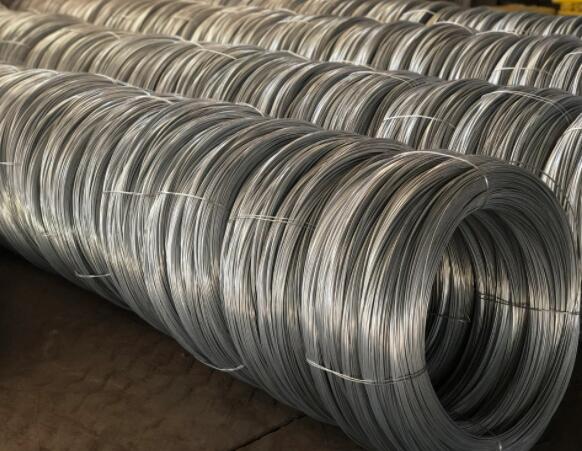
Electro galvanized wire is a carbon steel wire coated with a layer of zinc through an electrochemical process. This coating serves as a sacrificial anode, providing corrosion protection to the underlying steel. Positioned within the broader wire product industry, electro galvanizing represents a cost-effective method for enhancing the durability and lifespan of steel wire, finding application across construction, agriculture, manufacturing, and electrical systems. Core performance characteristics center around corrosion resistance, tensile strength, ductility, and formability, making it a critical component in various binding, fencing, and structural applications. The key differentiator from hot-dip galvanizing lies in the coating thickness and resultant corrosion protection levels, with electro galvanizing typically providing a thinner, more uniform coating suitable for indoor or moderately corrosive environments.
Material Science & Manufacturing
The primary raw material for electro galvanized wire is low-carbon steel, typically SAE 1008 or similar grades, characterized by a carbon content of 0.08% to 0.15%. This composition offers a balance of strength and ductility required for wire drawing and subsequent galvanizing. The zinc used in the electro galvanizing process is typically of 99.995% purity. The manufacturing process begins with the drawing of steel rod into the desired wire diameter, involving multiple dies and lubrication to reduce friction and maintain dimensional accuracy. Following drawing, the wire undergoes a thorough cleaning process, including pickling with hydrochloric or sulfuric acid to remove mill scale and rust, followed by rinsing and fluxing to prepare the surface for zinc adhesion. Electro galvanizing itself occurs in an electrolytic cell containing a zinc sulfate or zinc chloride solution. The steel wire acts as the cathode, and zinc anodes are used as the source of zinc ions. Applying a direct current causes zinc ions to deposit onto the wire’s surface, forming the protective coating. Key parameters controlled during the galvanizing process include current density, electrolyte temperature, pH, and agitation. Post-galvanizing, the wire is passivated with a chromate conversion coating to enhance corrosion resistance and appearance, followed by drying and spooling. Coating thickness is critically controlled through monitoring current density and galvanizing time; deviations affect the corrosion protection offered. The metallurgical structure of the coating is columnar, with grain size influenced by current density – lower current densities yield larger, more porous grains, while higher densities produce finer, denser coatings.
Performance & Engineering
The performance of electro galvanized wire is primarily governed by its corrosion resistance, which is directly related to the zinc coating thickness. A thicker coating provides greater sacrificial protection, extending the wire's lifespan in corrosive environments. Tensile strength is another crucial parameter, determined by the steel core material and the wire drawing process. Standard tensile strengths range from 300 to 800 MPa, depending on the steel grade and diameter. Ductility, measured by elongation percentage, is essential for forming and bending applications. The zinc coating’s adherence is also vital; poor adhesion leads to premature coating failure. Engineering considerations involve calculating the required zinc coating thickness based on anticipated environmental exposure, accounting for factors like humidity, salt spray, and industrial pollutants. Force analysis dictates the minimum wire diameter necessary to withstand anticipated loads in applications like fencing or cable tying. Environmental resistance beyond corrosion includes UV stability of the passivation layer and resistance to alkaline or acidic attack. Compliance requirements are often dictated by industry-specific standards, such as RoHS for restricted substances and REACH for chemical safety. The electro galvanizing process impacts the wire’s work hardening characteristics; the coating can provide some lubrication during forming, but also introduce stresses that must be considered in design.
Technical Specifications
| Parameter | Unit | Typical Value (Standard Grade) | Typical Value (High Corrosion Resistance Grade) |
|---|---|---|---|
| Wire Diameter | mm | 0.8 - 4.0 | 0.8 - 4.0 |
| Tensile Strength | MPa | 400 - 600 | 500 - 800 |
| Elongation | % | 15 - 25 | 12 - 20 |
| Zinc Coating Thickness | µm | 5 - 15 | 15 - 25 |
| Zinc Coating Weight | g/m² | 50 - 150 | 150 - 250 |
| Adhesion (Salt Spray Test) | Hours to Red Rust | 48 - 96 | 144 - 288 |
Failure Mode & Maintenance
Electro galvanized wire can fail through several mechanisms. The most common is corrosion, manifesting as red rust forming on the steel substrate after the zinc coating is depleted. This depletion occurs through sacrificial corrosion, where the zinc corrodes preferentially. Another failure mode is white rust (zinc oxide), which forms in humid environments and, while not directly compromising the steel, indicates coating degradation. Hydrogen embrittlement can occur during the pickling process if not properly controlled, leading to premature cracking under stress. Mechanical damage, such as bending beyond the wire’s ductility limit or abrasion, can also compromise the coating. Delamination of the zinc coating, caused by poor surface preparation or inadequate adhesion, significantly reduces corrosion protection. Maintenance typically involves visual inspection for signs of corrosion or coating damage. Periodic cleaning to remove dirt and contaminants can help prevent localized corrosion. For minor scratches or coating damage, zinc-rich paint can be applied as a temporary repair. If significant corrosion is observed, the wire should be replaced. Preventative measures include proper storage in a dry environment, avoiding exposure to harsh chemicals, and ensuring the wire is not subjected to excessive bending or abrasion. Regularly assess the operating environment and select wire with appropriate coating thickness for longevity.
Industry FAQ
Q: What is the primary difference between electro galvanizing and hot-dip galvanizing in terms of corrosion protection?
A: Hot-dip galvanizing provides a significantly thicker zinc coating, resulting in superior long-term corrosion protection, particularly in harsh environments. Electro galvanizing offers a thinner, more uniform coating suitable for less demanding applications. The choice depends on the intended service environment and cost constraints.
Q: How does the steel grade impact the performance of electro galvanized wire?
A: The steel grade directly influences the wire’s tensile strength and ductility. Low-carbon steel grades like SAE 1008 are commonly used for electro galvanizing due to their balance of properties. Higher carbon steels offer greater strength but reduced ductility, potentially compromising formability.
Q: What is the role of the passivation layer in electro galvanized wire?
A: The passivation layer, typically a chromate conversion coating, enhances corrosion resistance by forming a protective barrier over the zinc coating. It also improves the wire’s appearance and provides a keying surface for subsequent coatings if required. However, environmental regulations are increasingly restricting the use of hexavalent chromium in passivation.
Q: What are the common causes of hydrogen embrittlement in electro galvanized wire?
A: Hydrogen embrittlement occurs due to the absorption of hydrogen gas into the steel during the pickling process. Insufficient pickling inhibitors or improper control of the pickling solution can exacerbate this issue, leading to reduced ductility and increased susceptibility to cracking under stress.
Q: Can electro galvanized wire be used in direct contact with concrete?
A: While electro galvanized wire can be used in contact with concrete, its corrosion resistance may be compromised due to the alkaline nature of concrete. Using wire with a thicker zinc coating and/or employing additional corrosion inhibitors is recommended for such applications. Stainless steel wire is often preferred for direct concrete contact.
Conclusion
Electro galvanized wire remains a crucial material in numerous industries due to its cost-effectiveness and enhanced corrosion resistance compared to uncoated steel. The manufacturing process, while seemingly straightforward, demands precise control of multiple parameters – from steel composition and cleaning procedures to current density and passivation – to ensure consistent coating quality and performance. Understanding the failure modes, including corrosion, hydrogen embrittlement, and mechanical damage, is paramount for selecting the appropriate wire grade and implementing preventative maintenance strategies.
Future trends in electro galvanizing are likely to focus on environmentally friendly passivation alternatives to replace chromate coatings, advanced electrolyte compositions for improved coating density and uniformity, and automation of the galvanizing process for greater efficiency and reduced variability. Selecting the correct wire specification, considering the application's unique demands, and prioritizing quality control will continue to be critical for maximizing the lifespan and reliability of structures utilizing electro galvanized wire.