


Introduction
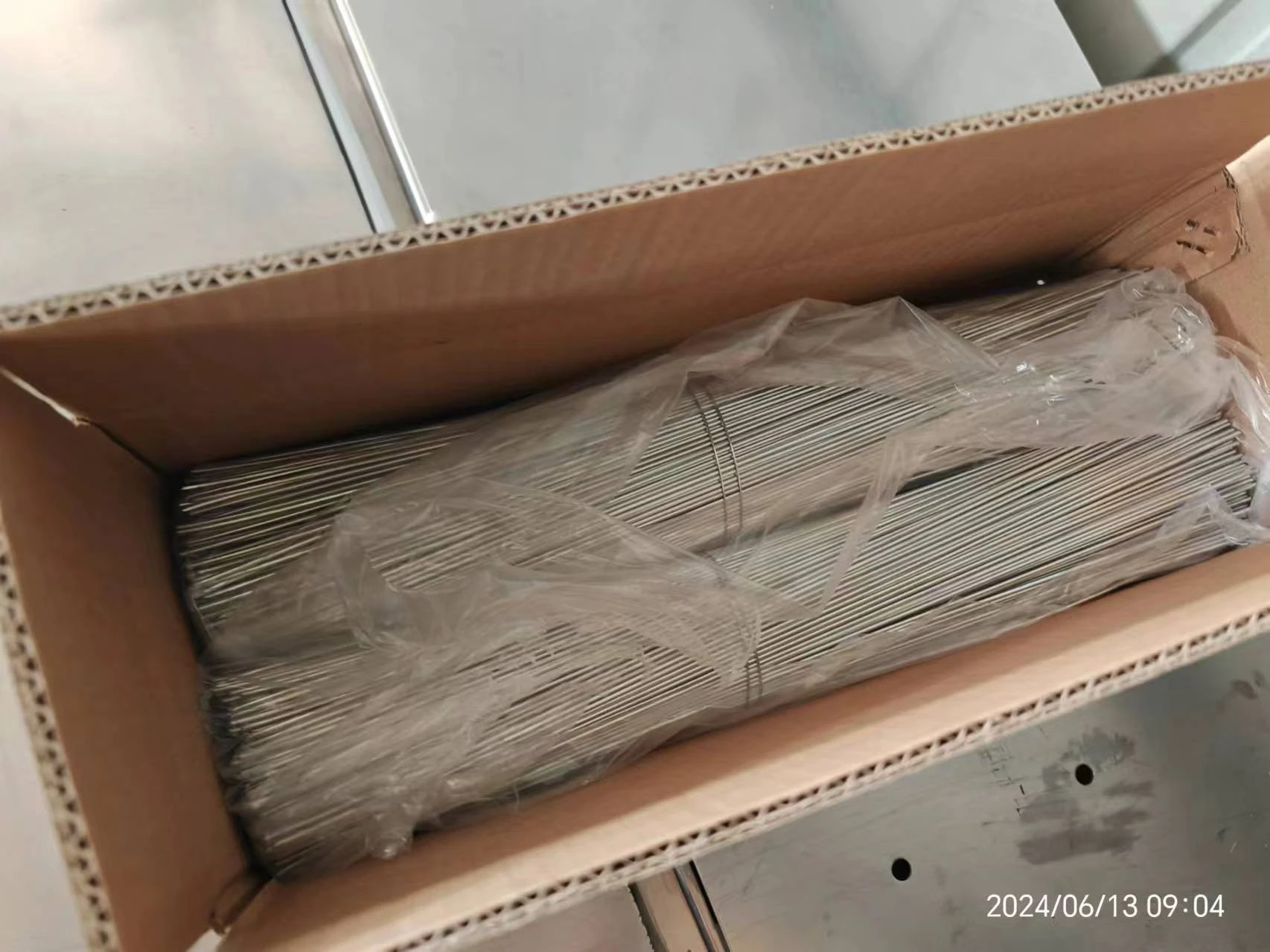
Galvanized binding wire is a crucial fastening material utilized extensively across diverse industrial, agricultural, and construction applications. It consists of a low carbon steel core, providing tensile strength, coated with a layer of zinc through a galvanization process. This zinc coating serves as a sacrificial anode, protecting the underlying steel from corrosion. Positioned as a cost-effective alternative to stainless steel wire, galvanized binding wire offers a robust solution for bundling, tying, and securing materials. Its primary performance characteristics revolve around tensile strength, ductility, corrosion resistance, and ease of manipulation. The wire gauge (diameter) and the thickness of the zinc coating are critical factors dictating its service life and suitability for specific environments. Core industry pain points include consistent coating adherence, susceptibility to localized corrosion in harsh chemical environments, and maintaining mechanical properties under sustained tensile load.
Material Science & Manufacturing
The foundation of galvanized binding wire lies in low-carbon steel, typically SAE 1008 or similar grades, characterized by a carbon content of approximately 0.08%. This steel is selected for its inherent ductility and weldability. The manufacturing process begins with the drawing of steel rods through a series of dies to achieve the desired wire gauge. This process work-hardens the steel, increasing its tensile strength but reducing its ductility. Subsequent annealing steps are performed to restore ductility and relieve internal stresses. The critical step is galvanization, most commonly achieved through hot-dip galvanizing. In this process, the cleaned steel wire is immersed in a molten zinc bath (typically 98% pure zinc) at temperatures around 450-460°C (842-860°F). A metallurgical reaction occurs forming a series of zinc-iron alloy layers, followed by an outer layer of pure zinc. The thickness of the zinc coating is controlled by factors like immersion time, zinc bath temperature, and withdrawal speed. Alternative galvanization methods include electrogalvanizing and zinc-spray coating, offering different coating characteristics and costs. Parameter control during drawing (die lubrication, reduction ratio) and galvanization (bath composition, cooling rate) are vital to avoid defects like brittleness, uneven coating, and white rust formation.
Performance & Engineering
The performance of galvanized binding wire is dictated by a complex interplay of mechanical and environmental factors. Tensile strength, typically ranging from 330-550 MPa depending on wire gauge and manufacturing process, dictates the load-bearing capacity. Ductility, measured by elongation percentage, determines the wire's ability to deform under stress before fracture, crucial for secure binding. The zinc coating provides cathodic protection to the steel substrate; when the coating is intact, it preferentially corrodes, sacrificing itself to protect the steel. However, localized corrosion can occur in environments with high chloride concentrations or acidic conditions. Force analysis during application requires consideration of the sustained tensile load and potential cyclical loading. Environmental resistance is paramount; prolonged exposure to saltwater, industrial pollutants, or extreme temperatures can accelerate corrosion. Compliance requirements, such as RoHS (Restriction of Hazardous Substances) and REACH (Registration, Evaluation, Authorisation and Restriction of Chemicals) regulations, dictate permissible levels of restricted substances in the manufacturing process and finished product. Galvanized binding wire must meet specific standards relating to coating thickness, adhesion, and mechanical properties as defined by international bodies.
Technical Specifications
| Wire Gauge (mm) | Tensile Strength (MPa) | Zinc Coating Thickness (µm) | Elongation (%) |
|---|---|---|---|
| 1.2 | 400-450 | 30-40 | 15-20 |
| 1.6 | 380-420 | 40-50 | 12-18 |
| 2.0 | 350-400 | 50-60 | 10-15 |
| 2.5 | 320-380 | 60-70 | 8-12 |
| 3.0 | 300-350 | 70-80 | 6-10 |
| 3.5 | 280-330 | 80-90 | 4-8 |
Failure Mode & Maintenance
Failure modes in galvanized binding wire typically manifest as corrosion-induced breakage or yield under sustained load. Common failures include uniform corrosion (gradual thinning of the zinc coating), localized corrosion (pitting, crevice corrosion, galvanic corrosion), and hydrogen embrittlement (leading to brittle fracture). White rust (zinc oxide/hydroxide) formation indicates initial coating degradation and accelerates corrosion. Fatigue cracking can occur under cyclical loading, particularly at points of bending or stress concentration. Delamination of the zinc coating due to poor adhesion is a critical failure mechanism, often stemming from inadequate surface preparation during galvanization. Maintenance is limited, as the wire is generally discarded upon significant degradation. However, preventative measures include proper storage in a dry environment to minimize white rust formation. In harsh chemical environments, periodic inspection for localized corrosion is recommended. Avoiding excessive bending or kinking during application minimizes stress concentration and extends service life. Proper selection of wire gauge and coating thickness based on the anticipated load and environmental conditions is paramount to prevent premature failure. Failure analysis should involve microscopic examination of the fracture surface to determine the root cause of failure.
Industry FAQ
Q: What is the primary difference between hot-dip galvanizing and electrogalvanizing for binding wire applications?
A: Hot-dip galvanizing results in a thicker, more robust zinc coating with excellent adhesion due to the metallurgical bonding achieved. Electrogalvanizing provides a thinner, more uniform coating, generally resulting in a brighter finish. For binding wire, the thicker coating of hot-dip galvanizing offers superior corrosion resistance, making it preferred for outdoor and demanding applications, while electrogalvanizing is often used when aesthetics are a priority.
Q: How does the presence of chlorides in the environment affect the corrosion rate of galvanized binding wire?
A: Chlorides accelerate corrosion by penetrating the zinc coating and disrupting the protective passive layer. They promote pitting corrosion, a localized form of attack that can lead to rapid failure. In marine environments or areas exposed to road salt, thicker zinc coatings and potentially the use of supplementary corrosion inhibitors are recommended.
Q: What wire gauge should be selected for binding heavy bundles of steel pipes?
A: The appropriate wire gauge depends on the weight and size of the bundles. A thicker gauge wire (e.g., 2.0mm or 2.5mm) with a higher tensile strength is required to provide sufficient binding force and prevent slippage. A detailed load calculation should be performed to ensure the selected wire can withstand the anticipated tensile stress.
Q: Is it possible to repair a galvanized binding wire if the zinc coating is damaged in a small area?
A: While minor scratches can be touched up with zinc-rich paint, substantial damage to the zinc coating compromises corrosion protection. Repairing the coating effectively is challenging, and complete replacement of the wire is generally recommended to ensure reliable performance. Temporary repairs may offer limited protection, but are not a long-term solution.
Q: What are the implications of RoHS and REACH compliance for galvanized binding wire manufacturers?
A: RoHS compliance requires manufacturers to demonstrate that the wire does not contain restricted hazardous substances like lead, cadmium, and hexavalent chromium above specified limits. REACH compliance involves registering and evaluating the chemicals used in the manufacturing process, ensuring their safe handling and use. Manufacturers must provide material safety data sheets (MSDS) and demonstrate adherence to these regulations to access certain markets.
Conclusion
Galvanized binding wire remains a cost-effective and reliable fastening solution across a broad spectrum of industries. Its performance is fundamentally dependent on the interplay between steel substrate properties, zinc coating characteristics, and the severity of the service environment. Understanding the nuances of material science, manufacturing processes, and potential failure modes is critical for selecting the appropriate wire gauge and ensuring long-term durability.
Future developments will likely focus on enhancing corrosion resistance through advanced coating technologies, such as zinc-nickel alloys or the incorporation of corrosion inhibitors into the galvanizing bath. Increased emphasis on sustainable manufacturing practices and compliance with evolving environmental regulations will also drive innovation in the production of galvanized binding wire. Careful consideration of application-specific requirements and adherence to relevant industry standards will remain paramount to maximizing the performance and lifespan of this essential fastening material.