


Introduction
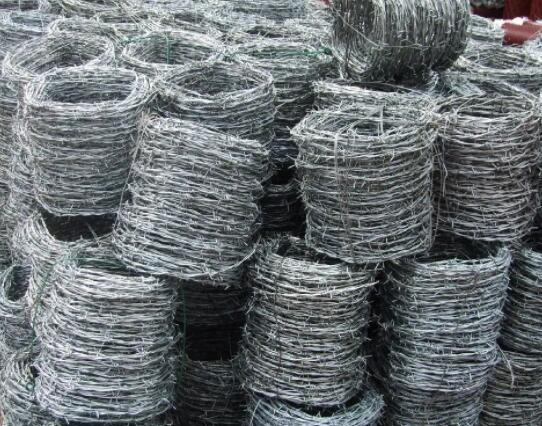
Galvanized GI (Galvanized Iron) wire is a carbon steel wire coated with a protective layer of zinc. This coating provides corrosion resistance, making it suitable for a wide range of applications, from fencing and cable armoring to binding and agricultural uses. Its technical position within the metals industry chain is as a semi-finished product, often serving as a precursor material for further manufacturing processes. Core performance characteristics revolve around tensile strength, ductility, formability, and, critically, its resistance to environmental degradation. The zinc coating acts as a sacrificial anode, protecting the underlying steel from oxidation. Galvanized GI wire distinguishes itself from other coated wires (e.g., stainless steel) through a balance of cost-effectiveness and reasonable corrosion protection, filling a critical niche in applications where extended lifespan and extreme corrosion resistance are not paramount but robust performance is required.
Material Science & Manufacturing
The primary raw material for galvanized GI wire is low-carbon steel, typically ranging from SAE 1006 to 1018. This steel composition offers sufficient ductility for wire drawing operations. The zinc used for galvanization is typically of a high purity grade (99.995% Zn). Manufacturing begins with hot rolling of steel billets into wire rod. This rod is then subjected to a series of drawing operations – through progressively smaller dies – to reduce the diameter and increase the tensile strength. Lubricants are critical during wire drawing to minimize friction and prevent die wear. Following drawing, the wire undergoes a cleaning process to remove any residual lubricant or surface contaminants, typically utilizing alkaline degreasing and acid pickling. The galvanization process itself is commonly performed via hot-dip galvanizing, where the cleaned wire is passed through a bath of molten zinc. The reaction between the iron in the steel and the molten zinc creates a series of zinc-iron alloy layers, followed by a pure zinc outer layer. Key parameters in hot-dip galvanizing include bath temperature (maintained around 450-460°C), immersion time, and cooling rate. Electrolytic galvanizing, while less common for wire, offers tighter control over coating thickness and surface finish. Post-galvanizing, the wire may be subjected to passivation treatments to enhance corrosion resistance further. The metallurgical structure of the galvanized layer is crucial; a uniform, well-bonded coating is essential for optimal performance. Variations in steel composition, drawing parameters, and galvanization process control directly influence the final product's mechanical properties and corrosion resistance.
Performance & Engineering
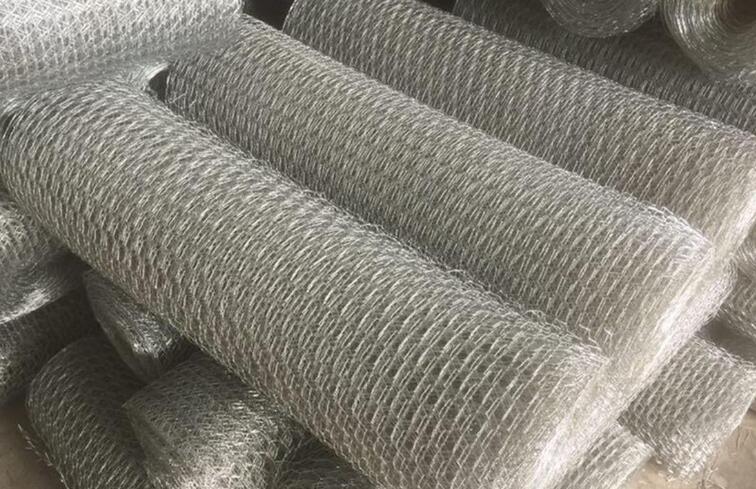
The performance of galvanized GI wire is governed by its mechanical properties and corrosion resistance. Tensile strength is a critical parameter, varying with wire diameter and steel grade – typically ranging from 350 MPa to 550 MPa. Ductility, measured by elongation at break, ensures the wire can be formed and bent without fracturing. Environmental resistance is primarily determined by the zinc coating thickness and its adherence to the steel substrate. The rate of zinc corrosion depends on factors such as humidity, salinity, and atmospheric pollutants. Galvanic corrosion can occur when GI wire is in contact with dissimilar metals; careful material selection and insulation are crucial to mitigate this effect. Engineering applications require consideration of load-bearing capacity, fatigue life, and potential for stress corrosion cracking. For fencing applications, wind load and impact resistance are primary concerns. In cable armoring, flexibility and abrasion resistance are paramount. Compliance requirements vary by industry and region, often dictated by standards related to construction, agriculture, or electrical safety. For example, fencing wire used in agricultural settings must meet standards related to animal containment and resistance to UV degradation. The long-term performance is also influenced by the presence of any surface defects in the zinc coating, as these can act as initiation sites for corrosion.
Technical Specifications
| Parameter | Units | Typical Value (Range) | Testing Standard |
|---|---|---|---|
| Tensile Strength | MPa | 350-550 | ASTM A641 |
| Zinc Coating Weight | g/m² | 60-275 | ISO 9001 |
| Wire Diameter | mm | 0.8-6.0 | GB/T 343 |
| Elongation at Break | % | 12-25 | ASTM A641 |
| Hydrogen Embrittlement | ppm | ≤ 3 | ASTM A780 |
| Adhesion of Coating | Pass/Fail | Pass | ASTM A780 |
Failure Mode & Maintenance
Galvanized GI wire is susceptible to several failure modes. Uniform corrosion is the most common, resulting in a gradual reduction in zinc coating thickness. This is accelerated in harsh environments (high salinity, pollution). Localized corrosion, such as pitting and crevice corrosion, can occur due to imperfections in the zinc coating or the presence of contaminants. White rust (zinc oxide) formation is a cosmetic issue but indicates accelerated zinc consumption. Hydrogen embrittlement, arising from the pickling process, can lead to brittle fracture, particularly in high-strength wires. Mechanical damage, such as bending, abrasion, or cutting, can compromise the coating and expose the underlying steel to corrosion. Fatigue cracking can occur in applications involving cyclic loading. Maintenance involves regular inspection for signs of corrosion. Applying a protective coating (e.g., paint, epoxy) can extend the lifespan. For fencing applications, removing vegetation that can trap moisture is crucial. In areas prone to severe corrosion, periodic re-galvanization or replacement may be necessary. Avoiding contact with dissimilar metals is essential to minimize galvanic corrosion. Repairing damaged coatings with zinc-rich paints or coatings can provide localized protection.
Industry FAQ
Q: What is the typical lifespan of galvanized GI wire in a coastal environment?
A: The lifespan in a coastal environment is significantly reduced compared to inland applications due to the high salinity. Typically, it ranges from 5-10 years, depending on the zinc coating thickness and exposure severity. Regular inspection and preventative maintenance, such as applying a protective coating, are crucial to extend its lifespan.
Q: How does the diameter of the wire affect its tensile strength and corrosion resistance?
A: Increasing the wire diameter generally increases tensile strength, but it also increases the amount of steel that needs to be protected. Corrosion resistance is primarily determined by the zinc coating thickness, not the wire diameter itself, but thicker wires can accommodate a thicker coating. Achieving a consistent coating thickness on smaller diameter wires is often more challenging.
Q: What is the difference between hot-dip galvanizing and electro-galvanizing in terms of corrosion protection?
A: Hot-dip galvanizing provides a thicker, more robust zinc coating, offering superior corrosion protection, particularly for outdoor applications. Electro-galvanizing results in a thinner, more uniform coating and is better suited for applications requiring precise coating control and a smoother surface finish, but offers less corrosion resistance.
Q: Can galvanized GI wire be welded without compromising its corrosion resistance?
A: Welding galvanized wire can burn off the zinc coating in the weld area, reducing corrosion resistance. Special welding techniques, such as using zinc-rich welding electrodes or post-weld galvanizing, are necessary to restore the protective coating. The heat-affected zone around the weld will also be susceptible to corrosion.
Q: How does the steel substrate composition influence the performance of galvanized wire?
A: The steel substrate composition significantly influences the wire’s ductility and tensile strength. Lower carbon steels (e.g., SAE 1006) are preferred for their formability. The presence of alloying elements can affect the galvanizing process and the adhesion of the zinc coating. Consistent steel quality is crucial for consistent galvanizing results.
Conclusion
Galvanized GI wire remains a cornerstone material in numerous industries due to its cost-effectiveness and adequate corrosion protection. Understanding the interplay between material science, manufacturing processes, and environmental factors is crucial for selecting the appropriate wire for a given application. The longevity and performance of GI wire are directly tied to the quality of the zinc coating, the substrate steel composition, and adherence to industry standards.
Future trends in galvanized wire technology include the development of advanced zinc alloys with enhanced corrosion resistance and the implementation of more sustainable galvanizing processes. Continued research into surface treatments and coating technologies will further optimize the performance and lifespan of galvanized GI wire, solidifying its position as a vital material for construction, agriculture, and various industrial applications.