


Introduction
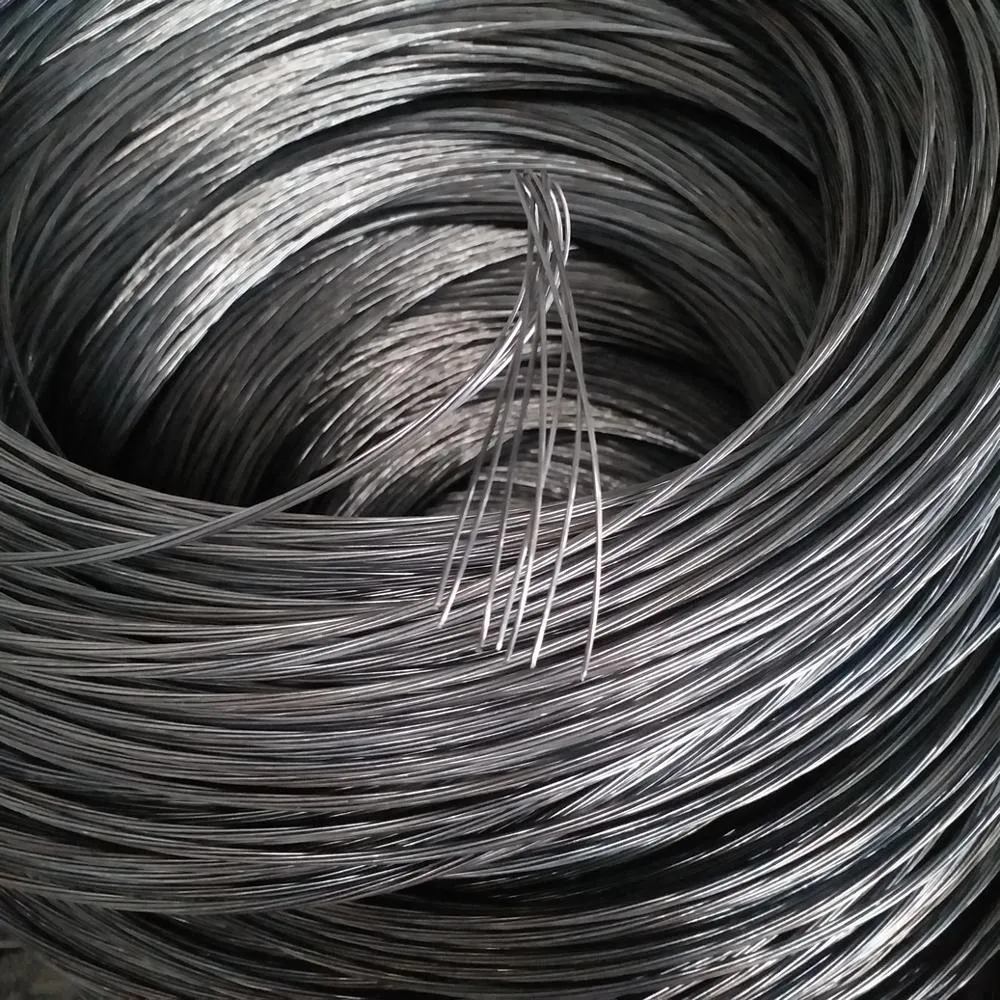
Galvanized iron binding wire, commonly referred to as galvanized binding wire or GIB wire, is a crucial fastening material utilized extensively across numerous industrial and commercial applications. Primarily composed of low-carbon steel wire coated with a layer of zinc through a galvanization process, it offers a cost-effective solution for bundling, securing, and reinforcing. Its technical position within the broader materials supply chain places it as a downstream product of the steel industry, relying on steel billets or wire rod as its primary feedstock. The core performance characteristic of GIB wire is its tensile strength combined with corrosion resistance – the zinc coating acts as a sacrificial anode, protecting the underlying steel from oxidation. This guide provides an in-depth examination of its material science, manufacturing processes, performance parameters, potential failure modes, and relevant industry standards, addressing common pain points related to wire breakage, corrosion, and inconsistent zinc coating quality. Industries relying heavily on GIB wire include construction, agriculture, packaging, and general manufacturing.
Material Science & Manufacturing
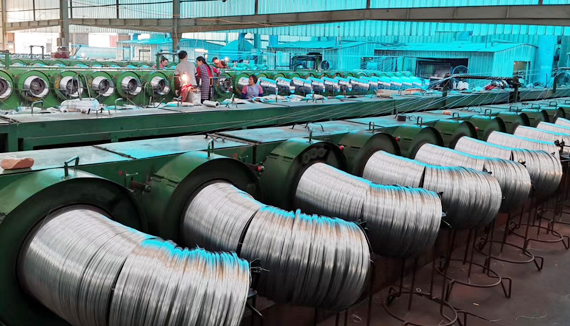
The fundamental material for galvanized iron binding wire is typically low-carbon steel (typically SAE 1008 or similar), chosen for its ductility and formability. The steel's chemical composition influences its tensile strength and weldability. Key elements include carbon (0.08-0.12%), manganese (0.30-0.60%), phosphorus (max 0.035%), and sulfur (max 0.030%). These parameters are tightly controlled during steel production to ensure consistent wire properties. The galvanization process, typically hot-dip galvanizing, is critical. Wire is cleaned via pickling (acid bath to remove scale) and fluxed to promote zinc adhesion. The wire is then immersed in a molten zinc bath (typically 98% pure zinc) at approximately 450°C (842°F). The zinc metallurgically bonds to the steel surface, creating a protective layer. Coating thickness is a critical parameter, typically measured in grams per square meter (g/m²) and ranging from 60-275 g/m² depending on the application and intended corrosion protection level. Wire drawing is employed to achieve the desired wire gauge, introducing work hardening. Post-galvanization, wires are often twisted or straightened. Precise control of drawing speed, die lubrication, and annealing temperature is vital to minimize surface defects and maintain ductility. Improper annealing can lead to embrittlement and reduced formability. The uniformity and adherence of the zinc coating are paramount, as discontinuities directly correlate with accelerated corrosion.
Performance & Engineering
The primary performance characteristic of galvanized iron binding wire is its tensile strength, typically ranging from 350-500 MPa, depending on the wire gauge and steel grade. This dictates the clamping force achievable during bundling. Elongation at break, generally between 10-20%, indicates the wire’s ductility and its ability to withstand deformation without fracturing. The zinc coating provides galvanic protection, significantly slowing down the corrosion rate. However, the effectiveness of this protection diminishes over time, particularly in harsh environments (high humidity, salt spray). The rate of zinc consumption depends on environmental factors and coating thickness. Force analysis during application reveals that wire experiences both tensile stress (from tightening) and bending stress (during wrapping around objects). Repeated bending can lead to fatigue cracking, particularly at stress concentration points like bends and kinks. Environmental resistance is assessed through salt spray testing (ASTM B117), where specimens are exposed to a 5% NaCl solution. Compliance requirements vary by region and application. For agricultural use, wires might need to meet specific standards regarding zinc coating quality and heavy metal content (e.g., RoHS compliance). In construction, compliance with building codes regarding fastener strength and corrosion resistance is crucial. Understanding the wire’s load-bearing capacity under different environmental conditions is critical for ensuring structural integrity and preventing failures.
Technical Specifications
| Parameter | Unit | Typical Value | Testing Standard |
|---|---|---|---|
| Tensile Strength | MPa | 400-500 | ASTM A641 |
| Elongation at Break | % | 12-18 | ASTM A641 |
| Wire Gauge | AWG | 9-16 | N/A |
| Zinc Coating Thickness | g/m² | 60-275 | ASTM B693 |
| Zinc Coating Uniformity | % Deviation | ±10 | ASTM B693 |
| Hydrogen Embrittlement | ppm | < 3 | ASTM A714 |
Failure Mode & Maintenance
Common failure modes for galvanized iron binding wire include: 1) Fatigue Cracking: Repeated bending and straightening, especially around sharp corners or where the wire contacts rough surfaces, induces fatigue cracks. Microscopic examination reveals crack initiation at surface imperfections. 2) Corrosion: Despite the zinc coating, corrosion can occur, particularly in environments with high salinity, acidity, or temperature fluctuations. Localized corrosion (e.g., pitting) can weaken the wire significantly. Crevice corrosion can also develop under bundled materials. 3) Hydrogen Embrittlement: The pickling process used during galvanization can introduce hydrogen into the steel, leading to embrittlement and premature failure under stress. 4) Coating Defects: Non-uniform coating, pinholes, or scratches in the zinc layer expose the underlying steel to corrosion. 5) Over-tightening: Applying excessive force during wrapping can exceed the wire’s tensile strength, leading to immediate breakage. Maintenance typically involves visual inspection for signs of corrosion, cracking, or coating damage. Regularly cleaning the wire to remove debris and contaminants can help mitigate corrosion. For critical applications, applying a secondary corrosion inhibitor (e.g., a protective coating) after galvanization can extend the wire's service life. In instances of significant corrosion or cracking, the wire must be replaced immediately to prevent catastrophic failure. Proper storage, away from moisture and corrosive substances, is also crucial.
Industry FAQ
Q: What is the impact of varying zinc coating thicknesses on the wire's lifespan in a marine environment?
A: Increased zinc coating thickness directly correlates with a longer service life in marine environments. A thicker coating provides a greater sacrificial barrier, delaying the onset of corrosion. However, there's a diminishing return – doubling the coating thickness doesn't necessarily double the lifespan. Factors such as alloy composition, environmental salinity, and the presence of pollutants also play a significant role. We recommend a minimum coating of 275 g/m² for prolonged exposure to saltwater.
Q: How does the annealing process affect the ductility of the wire, and what parameters are critical to control?
A: The annealing process is crucial for restoring ductility lost during wire drawing. Insufficient annealing leads to work hardening and brittle wire prone to cracking. Critical parameters include annealing temperature, heating rate, soaking time, and cooling rate. Temperature must be carefully calibrated based on the steel grade. Rapid cooling can induce internal stresses, while slow cooling promotes grain growth and softens the wire. Atmosphere control (e.g., using inert gas) prevents oxidation.
Q: What are the risks associated with using galvanized wire in direct contact with aluminum?
A: Galvanized steel in direct contact with aluminum can induce galvanic corrosion, accelerating the deterioration of the aluminum. Zinc is more cathodic than aluminum, meaning it will preferentially corrode, protecting the aluminum initially. However, the resulting zinc corrosion products can be detrimental to the aluminum's surface. It's recommended to use a non-conductive barrier material between the two metals.
Q: How does hydrogen embrittlement occur during the galvanizing process, and what mitigation strategies are employed?
A: Hydrogen embrittlement occurs when atomic hydrogen, generated during the pickling process, diffuses into the steel lattice. This hydrogen reduces the steel’s ductility and load-carrying capacity, making it susceptible to brittle fracture. Mitigation strategies include using inhibitors in the pickling bath to reduce hydrogen generation, controlling the pickling time and temperature, and post-galvanizing baking to drive out the absorbed hydrogen.
Q: What testing is performed to ensure the zinc coating adheres properly to the steel substrate?
A: Several tests are used to assess zinc coating adhesion. The most common is the bend test (ASTM B693), where the coated wire is bent to a specified angle without cracking or flaking of the coating. Salt spray testing (ASTM B117) also indirectly assesses adhesion, as poor adhesion will result in accelerated corrosion. Adhesion can also be evaluated through microscopic examination of cross-sections of the coating.
Conclusion
Galvanized iron binding wire remains a vital component across a diverse range of industries due to its cost-effectiveness and reasonable corrosion resistance. Understanding the interplay between material science, manufacturing processes, and performance characteristics is crucial for selecting the appropriate wire gauge and coating thickness for specific applications. Careful attention to the potential failure modes – particularly fatigue cracking, corrosion, and hydrogen embrittlement – alongside implementing proactive maintenance strategies, is essential for maximizing service life and preventing premature failures.
Future advancements may focus on refining galvanization techniques to enhance coating uniformity and reduce hydrogen embrittlement, as well as exploring alternative coating materials to further improve corrosion resistance. Furthermore, developing more sophisticated non-destructive testing methods for evaluating coating integrity will be paramount. The ongoing demand for durable and reliable binding solutions will continue to drive innovation within this critical sector of the industrial materials market.