




Introduction
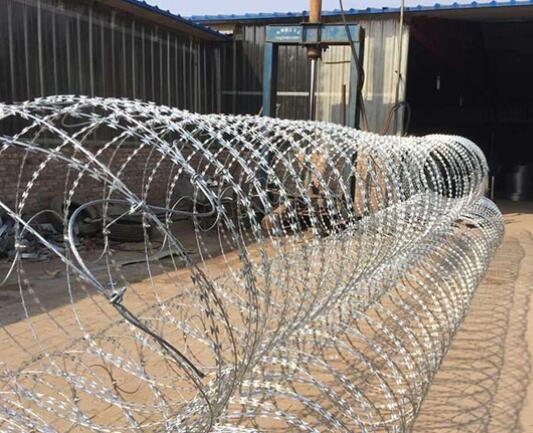
Galvanized straining wire is a high-tensile steel wire coated with a layer of zinc for corrosion resistance. It is a critical component in various infrastructure applications, primarily used in fence construction – agricultural, livestock, security, and high-tensile wire fencing systems. Technically positioned within the metallic materials supply chain, its performance dictates the longevity and structural integrity of fencing systems. Core performance metrics include tensile strength, elongation, zinc coating weight, and resistance to environmental degradation. A key pain point for end-users is inconsistent zinc coating quality leading to premature corrosion and fence failure, coupled with varying steel core properties impacting overall wire strength and durability. Understanding these characteristics is crucial for procurement, installation, and long-term maintenance to minimize life-cycle costs and ensure optimal performance.
Material Science & Manufacturing
The primary raw material is high-carbon steel, typically SAE 1006 or equivalent, chosen for its high tensile strength and ductility. Chemical composition necessitates controlled carbon content (0.05-0.10%), manganese (0.60-0.90%), phosphorus (≤0.04%), and sulfur (≤0.03%). Manufacturing begins with hot rolling of steel billets into wire rod. Subsequent cold drawing reduces the diameter to the desired gauge, increasing tensile strength but decreasing ductility. Annealing follows to restore some ductility, preventing brittleness. The crucial galvanizing process involves cleaning the wire surface to remove oils and oxides (pickling), followed by fluxing to promote zinc adhesion. Hot-dip galvanizing, the most common method, immerses the wire in molten zinc (98.5% purity) at approximately 450°C. The zinc metallurgically bonds with the steel surface, creating a protective coating. Key parameter control includes zinc bath temperature, immersion time (influencing coating thickness), and cooling rate (affecting coating structure). Alternative methods, like electro-galvanizing, offer thinner, more uniform coatings but generally lower corrosion resistance. Post-galvanizing, wires undergo spooling and quality control checks for coating uniformity and mechanical properties. Metallurgical analysis of the steel core, including grain structure and hardness, is critical for ensuring consistent tensile strength.
Performance & Engineering
Performance is governed by force analysis under tensile load. The ultimate tensile strength (UTS) is a critical parameter, typically ranging from 1600-2000 MPa depending on wire gauge and steel grade. Elongation at break, a measure of ductility, is typically 3-8%. Environmental resistance is paramount, with the zinc coating acting as a sacrificial anode, protecting the steel from corrosion. Corrosion resistance is quantified by salt spray testing (ASTM B117), aiming for ≥ 500 hours to 5% red rust. Galvanizing provides cathodic protection, even when the coating is scratched or damaged. However, in highly acidic or alkaline environments, the zinc coating can degrade. Wire sag, a critical design consideration, is influenced by wire tension, span length, and wire gauge. Engineering calculations must account for wind loading, ice loading (in colder climates), and potential impact forces. Compliance requirements vary regionally, with standards dictating minimum zinc coating weight and mechanical properties. The galvanizing process introduces residual stress, which can lead to hydrogen embrittlement, a potential failure mode, particularly in high-strength wires. Post-galvanizing treatments, such as baking, are employed to mitigate hydrogen embrittlement. Galvanized straining wire is often used in conjunction with high tensile posts, strainers and fittings, and understanding the interaction of these components is vital for overall system performance.
Technical Specifications
| Parameter | Unit | Typical Value | Test Method |
|---|---|---|---|
| Tensile Strength (UTS) | MPa | 1800 | ASTM A371 |
| Elongation at Break | % | 5 | ASTM A371 |
| Zinc Coating Weight | g/m² | 80-120 | ASTM B693 |
| Wire Diameter | mm | 2.5 | Micrometer |
| Hydrogen Embrittlement Resistance | Pass/Fail | Pass | ASTM A871 |
| Salt Spray Resistance (5% Red Rust) | Hours | 720 | ASTM B117 |
Failure Mode & Maintenance
Common failure modes include corrosion-induced wire breakage, particularly at points of bending or strain. Galvanic corrosion can occur when the galvanized wire is in contact with dissimilar metals in a conductive environment. Fatigue cracking can develop under cyclic loading, especially if the wire is subjected to repeated tension and release. Hydrogen embrittlement, as mentioned previously, can lead to brittle fracture. Mechanical damage, such as cuts or abrasions, compromises the zinc coating and accelerates corrosion. Creep, the slow deformation under sustained load, can lead to wire sag and eventual failure. Maintenance involves regular visual inspections for corrosion, damage, and excessive sag. Damaged sections should be replaced promptly. Re-tensioning the wire is crucial to maintain adequate fence performance. Applying a protective coating (zinc-rich paint) to damaged areas can temporarily extend service life. Avoid using dissimilar metals in direct contact with galvanized wire. Proper grounding of the fence system is essential to prevent stray electrical currents from accelerating corrosion. Regularly cleaning the wire of debris and vegetation prevents localized corrosion. Failure analysis should always identify the root cause (corrosion, fatigue, mechanical damage) to implement corrective actions and prevent recurrence.
Industry FAQ
Q: What is the impact of different zinc coating methods (hot-dip vs. electro-galvanizing) on long-term corrosion resistance?
A: Hot-dip galvanizing generally provides superior corrosion resistance due to the thicker, more robust zinc coating and the metallurgical bond with the steel substrate. Electro-galvanizing produces a thinner, more uniform coating, but it is more susceptible to corrosion, especially in harsh environments. Hot-dip galvanizing’s coating thickness offers better sacrificial protection and is preferred for applications demanding extended service life.
Q: How does wire gauge affect the load-bearing capacity and susceptibility to sag?
A: Lower wire gauges (larger diameter) have higher tensile strength and load-bearing capacity. However, they are also heavier and more expensive. Higher wire gauges (smaller diameter) are lighter and less expensive but have lower tensile strength and are more prone to sag, particularly over longer spans. The optimal wire gauge depends on the specific application, span length, and anticipated load.
Q: What are the common causes of hydrogen embrittlement and how can it be prevented?
A: Hydrogen embrittlement occurs when atomic hydrogen diffuses into the steel during the pickling and galvanizing processes. This hydrogen reduces the steel's ductility and increases its susceptibility to brittle fracture. It's prevented through post-galvanizing baking to drive out the hydrogen, using inhibitors in the pickling solution, and controlling the galvanizing process parameters.
Q: How does the steel’s carbon content affect the galvanizing process and the final product's properties?
A: Higher carbon content in the steel can lead to a more brittle coating and reduced ductility. It also increases the risk of hydrogen absorption during pickling. SAE 1006 steel, with its controlled carbon content, is preferred for galvanizing as it provides a good balance of strength, ductility, and galvanizing compatibility.
Q: What is the role of passivation treatments on galvanized straining wire and how effective are they?
A: Passivation treatments, often chromate conversion coatings, are applied to galvanized wire to create a thin, protective layer that inhibits white rust formation (zinc oxidation). While effective in delaying white rust, these treatments are environmentally concerning due to chromium content. Alternative, chromium-free passivation treatments are emerging, but their long-term effectiveness is still under evaluation. They should be considered supplemental protection, not a replacement for proper galvanizing.
Conclusion
Galvanized straining wire remains a foundational material in fencing and infrastructure, relying on a complex interplay of material science and manufacturing processes to deliver reliable performance. The effectiveness of the zinc coating in providing corrosion protection, coupled with the inherent strength of the steel core, dictates the longevity and structural integrity of the resulting fencing system. Understanding the potential failure modes – corrosion, fatigue, embrittlement – is paramount for informed procurement and proactive maintenance.
Future advancements will likely focus on developing more environmentally friendly galvanizing processes, improving coating uniformity, and enhancing corrosion resistance through alloy additions. Continued research into mitigating hydrogen embrittlement and optimizing wire drawing techniques will further improve the performance and reliability of galvanized straining wire, solidifying its role as a critical component in infrastructure development and agricultural applications.