



Introduction
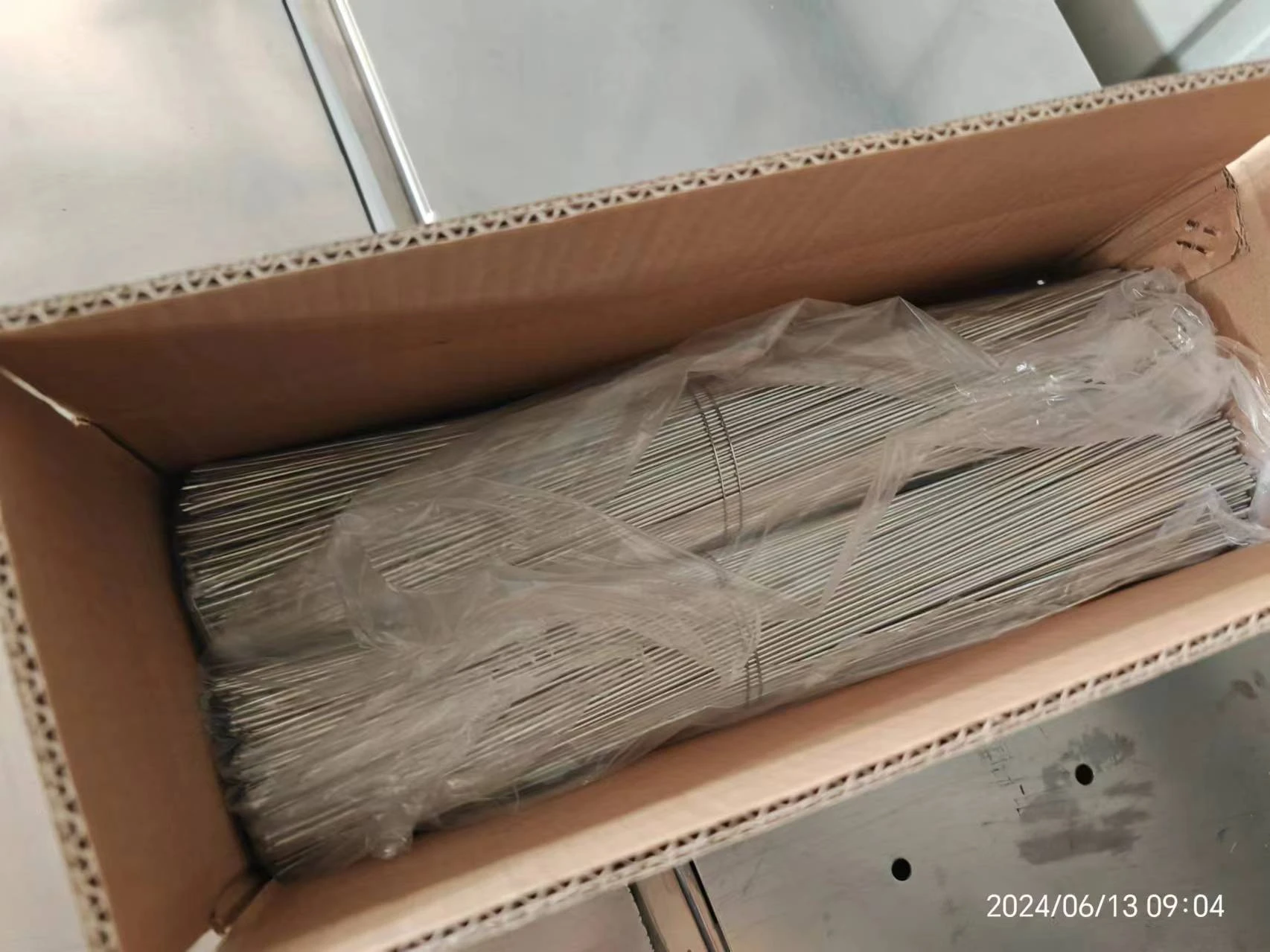
Galvanized stranded wire is a multifaceted component employed extensively across diverse industrial applications, ranging from overhead power transmission and distribution to fencing, guy wires, and earth wires. Its core function is to provide a strong, durable, and corrosion-resistant conductor or structural element. The manufacturing process typically involves the stranding of high-strength steel wire, followed by galvanization – the application of a protective zinc coating – to inhibit corrosion. The industry faces ongoing challenges related to optimizing galvanization thickness for extended service life while managing material costs and adhering to increasingly stringent environmental regulations. Galvanized stranded wire’s performance is directly linked to the quality of the steel core, the uniformity of the zinc coating, and the strand construction, determining its tensile strength, flexibility, and ultimately, its longevity in service. This guide provides an in-depth technical overview of its material science, manufacturing, performance characteristics, failure modes, and applicable industry standards.
Material Science & Manufacturing
The foundation of galvanized stranded wire lies in the properties of both the steel core and the zinc coating. Steel wires commonly utilized are high-carbon steel (typically SAE 1018 or similar grades) drawn to specific diameters, exhibiting high tensile strength. The carbon content directly influences hardenability and ductility; careful control is critical to prevent brittleness. Manufacturing begins with hot-rolling of steel billets, followed by cold drawing through a series of dies to achieve the desired wire diameter. Stranding, the twisting together of multiple wires, is performed using specialized machines, with strand lay (the length of the helix formed by a single wire) being a critical parameter impacting flexibility and strength. The zinc coating is applied via a continuous hot-dip galvanizing process. Steel wire is passed through a bath of molten zinc, creating a metallurgical bond. The coating thickness is governed by factors such as zinc bath composition, wire speed, and withdrawal rate. Post-galvanization treatments, including passivation, may be applied to enhance corrosion resistance. Critical parameters include zinc purity (typically 99.995% pure zinc), iron content in the zinc bath (which impacts coating adhesion), and the cooling rate after galvanizing (influencing the formation of zinc-iron alloy layers). Chemical compatibility between the steel substrate and the zinc coating is crucial; excessive surface oxides on the steel can hinder adhesion. Controlling the wire drawing process to minimize residual stress is also paramount, as stress concentrations can accelerate corrosion.
Performance & Engineering
The performance of galvanized stranded wire is primarily defined by its mechanical strength, corrosion resistance, and fatigue life. Tensile strength, measured in MPa or PSI, dictates the wire’s load-bearing capacity. Elongation at break indicates ductility and its ability to withstand deformation before fracture. The zinc coating provides cathodic protection; zinc corrodes preferentially to the steel, preventing rust formation. The rate of zinc consumption is directly related to environmental exposure – salinity, humidity, and industrial pollutants all accelerate corrosion. Engineering considerations involve force analysis under static and dynamic loading conditions. For overhead conductors, sag calculations are essential to determine appropriate tension and prevent excessive stress. For guy wires, wind loading and ice accumulation must be factored into design. Compliance requirements, such as those outlined by ASTM A475, specify minimum zinc coating weights and mechanical properties. Fatigue resistance is a critical concern in applications subject to repeated loading cycles. Cyclic tensile testing helps evaluate the wire’s ability to withstand stress reversals without failure. Galvanic corrosion, arising from contact with dissimilar metals, must be mitigated through appropriate design practices and the use of insulating materials. The strand lay impacts the wire’s flexibility; a shorter lay results in greater flexibility but potentially reduced tensile strength. Furthermore, the wire's performance is significantly affected by temperature; extreme temperatures can alter the mechanical properties of both the steel core and the zinc coating.
Technical Specifications
| Parameter | Unit | Typical Value (Low Carbon Steel Core) | Typical Value (High Tensile Steel Core) |
|---|---|---|---|
| Tensile Strength | MPa | 350-550 | 1400-1800 |
| Zinc Coating Weight | g/m² | 40-80 | 60-120 |
| Elongation at Break | % | 15-25 | 3-8 |
| Diameter (Single Wire) | mm | 2.0-6.0 | 1.0-4.0 |
| Strand Diameter (Overall) | mm | 5-20 | 3-12 |
| Strand Lay Ratio (Lay Length/Strand Diameter) | - | 6-12 | 6-12 |
Failure Mode & Maintenance
Galvanized stranded wire is susceptible to several failure modes. Uniform corrosion, resulting from the slow, even consumption of the zinc coating, reduces the wire’s cross-sectional area over time. Localized corrosion, such as pitting corrosion, occurs due to defects in the zinc coating or the presence of chlorides. Hydrogen embrittlement can occur in high-strength steel wires during the galvanizing process, leading to delayed cracking. Fatigue cracking, induced by cyclic loading, initiates at stress concentrators (e.g., strand lay points, surface imperfections) and propagates until catastrophic failure. Creep, the slow deformation under sustained load, is a concern in high-temperature applications. Mechanical damage, caused by abrasion, impact, or bending, can compromise the coating and expose the steel core. Maintenance typically involves visual inspection for signs of corrosion, damage, or excessive sag. Periodic testing of wire tension is recommended, particularly for guy wires. Cleaning to remove dirt and debris helps prevent localized corrosion. If corrosion is detected, localized repairs may be possible using corrosion inhibitors or zinc-rich paints. However, in cases of severe corrosion or fatigue damage, complete wire replacement is necessary. Regular monitoring and proactive maintenance significantly extend the service life of galvanized stranded wire and prevent costly failures. Furthermore, proper storage of the wire before installation, shielded from moisture and corrosive elements, is crucial to maintaining its protective coating.
Industry FAQ
Q: What is the impact of varying zinc coating thickness on the lifespan of galvanized stranded wire?
A: Zinc coating thickness is directly proportional to corrosion protection. Increasing coating thickness extends the time to corrosion initiation and slows down the corrosion rate. However, there's a point of diminishing returns; beyond a certain thickness, the incremental benefit decreases while material costs increase. ASTM A475 specifies minimum coating weights for different exposure categories (e.g., rural, industrial, marine). Selecting the appropriate coating weight based on the anticipated service environment is crucial for optimizing lifespan and cost-effectiveness.
Q: How does the strand lay affect the mechanical properties of the wire?
A: The strand lay dictates the wire’s flexibility and tensile strength. A shorter lay provides greater flexibility, allowing for easier handling and installation, but it typically reduces the overall tensile strength. A longer lay increases tensile strength but compromises flexibility. The optimal lay length is dependent on the application; for example, a shorter lay is preferred for applications requiring frequent bending, while a longer lay is suitable for applications requiring high load capacity.
Q: What are the common causes of hydrogen embrittlement in galvanized stranded wire?
A: Hydrogen embrittlement occurs when hydrogen atoms diffuse into the steel during the galvanizing process, reducing its ductility and increasing its susceptibility to cracking. Factors contributing to hydrogen embrittlement include high zinc bath acidity, the presence of impurities in the steel, and slow cooling rates. Proper control of the galvanizing process, including pre-treatment of the steel and the use of inhibitors, can mitigate this risk.
Q: How can the risk of galvanic corrosion be minimized when using galvanized stranded wire in contact with other metals?
A: Galvanic corrosion occurs when dissimilar metals are in electrical contact in the presence of an electrolyte. To minimize this risk, isolate the galvanized wire from other metals using insulating materials such as plastic sleeves or coatings. If direct contact is unavoidable, select metals that are close in the galvanic series. Consider using sacrificial anodes to protect the galvanized wire from corrosion.
Q: What are the recommended inspection intervals for galvanized stranded wire used in overhead transmission lines?
A: Recommended inspection intervals vary depending on the environmental conditions and the criticality of the application. Generally, visual inspections should be conducted annually to identify signs of corrosion, damage, or sagging. More detailed inspections, including measurements of wire tension and coating thickness, should be performed every 5-10 years. Following severe weather events (e.g., storms, ice storms), immediate inspections are recommended.
Conclusion
Galvanized stranded wire remains a vital component in numerous industrial sectors, offering a cost-effective solution for applications demanding strength, durability, and corrosion resistance. The interplay between steel core properties, zinc coating characteristics, and manufacturing processes directly determines its performance and longevity. Understanding the intricacies of material science, potential failure modes, and applicable industry standards is crucial for ensuring its reliable operation.
Future developments will likely focus on enhancing the corrosion resistance of galvanized wire through advanced coating technologies, such as zinc-aluminum alloys and organic coatings. Furthermore, ongoing research into hydrogen embrittlement mitigation and fatigue life improvement will contribute to extending the service life and enhancing the safety of galvanized stranded wire systems. Optimized maintenance strategies, incorporating regular inspections and proactive repairs, will remain essential for maximizing the return on investment and minimizing the risk of catastrophic failures.