


Introduction
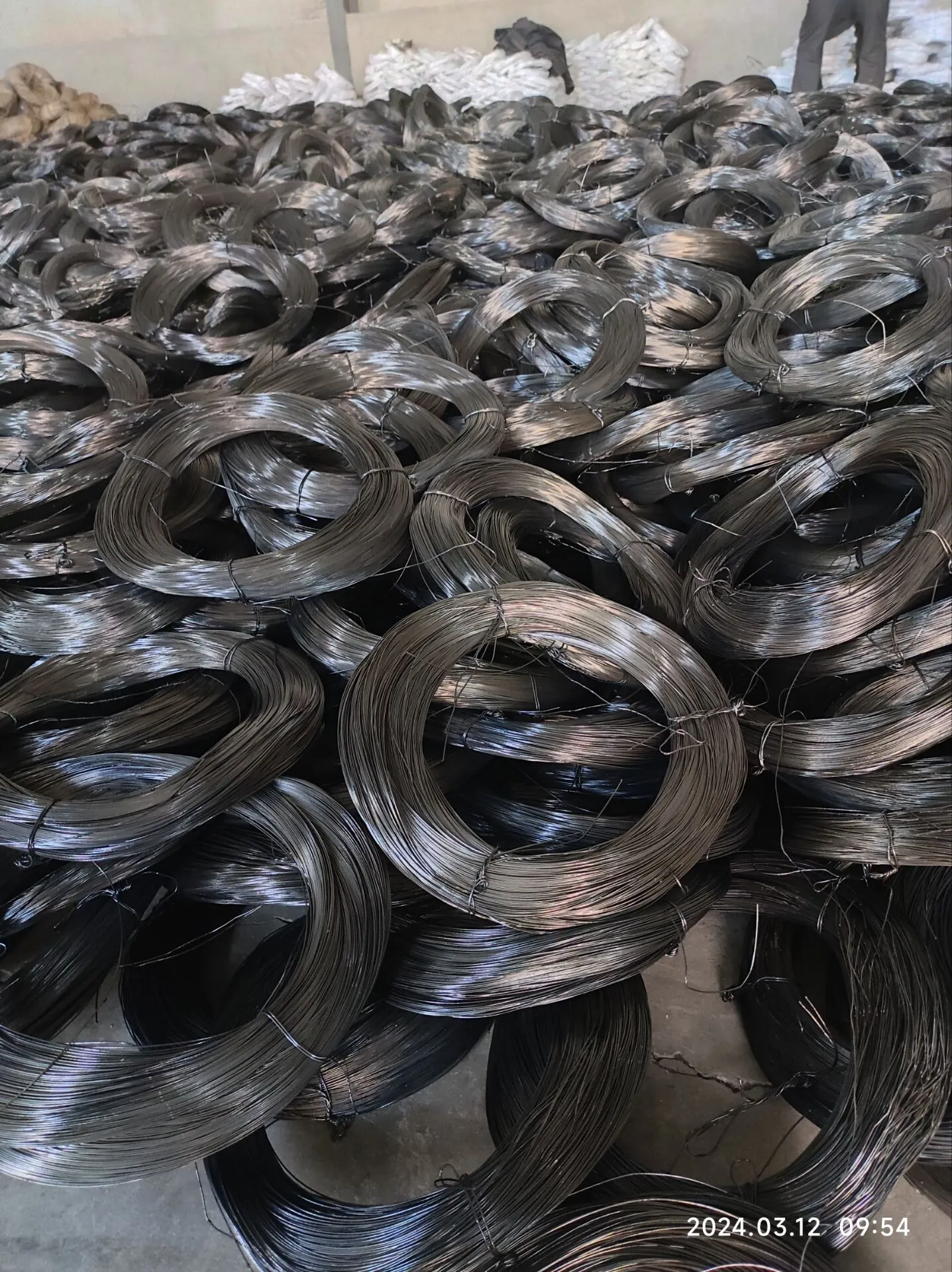
Galvanized Iron (GI) wire 10 gauge is a carbon steel wire coated with a layer of zinc through a process known as galvanization. This coating provides corrosion resistance, making it suitable for a wide range of applications, primarily in construction, agriculture, and various industrial sectors. Within the metallic materials landscape, GI wire occupies a vital position as a cost-effective alternative to stainless steel in applications where high tensile strength and moderate corrosion protection are paramount. Its performance characteristics, dictated by zinc coating thickness, wire diameter, and steel substrate composition, determine its suitability for specific applications. Core performance metrics include tensile strength, elongation, zinc coating weight, and formability. This guide provides an in-depth technical overview of GI wire 10, encompassing material science, manufacturing processes, performance parameters, failure modes, and relevant industry standards.
Material Science & Manufacturing
GI wire 10’s material composition begins with a carbon steel substrate, typically SAE 1008 or similar, offering good ductility and weldability. The steel contains approximately 0.08% carbon, with trace amounts of manganese, phosphorus, and sulfur. The galvanization process uses zinc of 99.995% purity. Manufacturing begins with wire drawing, reducing the diameter of the steel billet to 10 gauge (2.304 mm). Following drawing, the wire undergoes a cleaning process to remove oils, scale, and other contaminants. This typically involves pickling with hydrochloric or sulfuric acid followed by rinsing and drying. The core galvanization method employed is hot-dip galvanizing. The wire is immersed in a bath of molten zinc (maintained at approximately 450°C) forming a metallurgical bond between the steel and the zinc. The zinc coating thickness is a crucial parameter, typically ranging from 40 to 60 μm, directly impacting corrosion resistance. Cooling is often conducted using air or water quenching, followed by passivation treatment to minimize white rust formation (zinc oxide). Key process parameters requiring tight control include bath temperature, immersion time, cooling rate, and post-treatment chemical concentrations. Zinc coating uniformity is assessed via eddy current testing, and mechanical properties are verified through tensile testing and bend tests.
Performance & Engineering
The performance of GI wire 10 is primarily dictated by its tensile strength, ductility, and corrosion resistance. Typical tensile strength values range from 330 to 480 MPa, with elongation at break between 10-20%. The zinc coating provides cathodic protection to the steel substrate, sacrificing itself to prevent corrosion. However, this protection diminishes over time as the zinc corrodes. The rate of corrosion is influenced by environmental factors such as humidity, temperature, salinity, and the presence of pollutants. Engineering considerations include calculating the wire's load-bearing capacity based on its cross-sectional area and tensile strength. In applications involving bending or forming, the ductility of the wire is critical to prevent cracking. Furthermore, compatibility with other materials is important. For example, direct contact with dissimilar metals can accelerate corrosion due to galvanic corrosion. Compliance with relevant standards (discussed in the footer) is essential for ensuring product quality and safety. Environmental resistance is often quantified using salt spray testing (ASTM B117) to assess the corrosion rate, and cyclic corrosion testing to simulate real-world conditions.
Technical Specifications
| Parameter | Unit | Typical Value | Testing Standard |
|---|---|---|---|
| Diameter | mm | 2.304 | ASTM A641 |
| Tensile Strength | MPa | 380-450 | ASTM A641 |
| Elongation at Break | % | 12-18 | ASTM A641 |
| Zinc Coating Weight | g/m² | 40-60 | ASTM A641 |
| Zinc Coating Thickness | μm | 5-8 | ASTM A641 |
| Formability (Bend Test) | Degrees | 180 | ASTM A641 |
Failure Mode & Maintenance
Common failure modes of GI wire 10 include corrosion, fatigue cracking, and mechanical damage. Corrosion occurs when the zinc coating is depleted, exposing the steel substrate to the environment. The primary form of corrosion is red rust, indicating the oxidation of the steel. Fatigue cracking can occur under cyclical loading, especially at points of stress concentration. Mechanical damage, such as cuts or abrasions, can compromise the zinc coating, initiating localized corrosion. White rust (zinc oxide) formation can also occur, though it’s generally less severe. Maintenance practices focus on preventing or mitigating these failure modes. Periodic inspection is crucial to identify signs of corrosion or damage. Damaged areas can be repaired with zinc-rich paint or coatings. In environments with high salinity or corrosive atmospheres, regular cleaning and the application of protective coatings can extend the wire's service life. Proper storage is also essential; wire should be stored in a dry, well-ventilated area to prevent premature corrosion. For applications where extended corrosion resistance is required, consider supplementary coatings such as epoxy or polyurethane.
Industry FAQ
Q: What is the difference between Class 1 and Class 3 galvanized wire?
A: Class 1 and Class 3 refer to the minimum zinc coating weight. Class 1 typically has a zinc coating of around 40 g/m², providing moderate corrosion protection. Class 3, with approximately 60 g/m², offers significantly enhanced corrosion resistance, making it suitable for more demanding environments. The choice depends on the severity of the exposure conditions and the desired service life.
Q: How does temperature affect the corrosion rate of GI wire?
A: Generally, corrosion rates increase with temperature. Higher temperatures accelerate the electrochemical reactions involved in corrosion. However, the relationship isn't linear and is affected by other factors like humidity and the presence of electrolytes. Specifically, the diffusion rate of corrosive agents increases with temperature, leading to faster degradation of the zinc coating and eventual steel corrosion.
Q: Can GI wire be welded?
A: Yes, GI wire can be welded, but it requires specific techniques. The zinc coating produces fumes that are hazardous to health, necessitating adequate ventilation and the use of appropriate respiratory protection. The zinc can also affect weld quality, potentially leading to porosity. Low-hydrogen welding processes are often recommended to minimize these issues. Pre-cleaning the wire to remove the zinc coating in the weld zone can also improve weld integrity.
Q: What is the impact of using GI wire in direct contact with aluminum?
A: Direct contact between GI wire and aluminum creates a galvanic couple. Aluminum is less noble than zinc, so the aluminum will corrode preferentially. This can lead to rapid degradation of the aluminum component. Using a barrier material, such as plastic or tape, to isolate the two metals is essential.
Q: What are the common applications of 10 gauge GI wire?
A: Common applications include fencing (agricultural, residential, security), telecommunications cable support (stay wires), electrical grounding, binding and baling, crafting wire, and as a component in various hardware products like staples and fasteners. Its relatively low cost and adequate corrosion resistance make it a versatile material for these applications.
Conclusion
GI wire 10 represents a well-established and cost-effective solution for applications requiring moderate corrosion resistance and sufficient tensile strength. Its manufacturing process, rooted in hot-dip galvanization, delivers a protective zinc coating crucial for extending the service life of the steel substrate. Understanding the interplay between material science, environmental factors, and potential failure modes is critical for ensuring optimal performance and longevity.
Looking forward, advancements in galvanizing techniques, such as zinc-nickel alloy coatings, promise even greater corrosion protection. Continued research into supplementary coatings and passivation treatments will further enhance the durability and applicability of GI wire in increasingly demanding environments. Proper maintenance, coupled with adherence to relevant industry standards, remains paramount to maximizing the benefits of this versatile material.