



Introduction
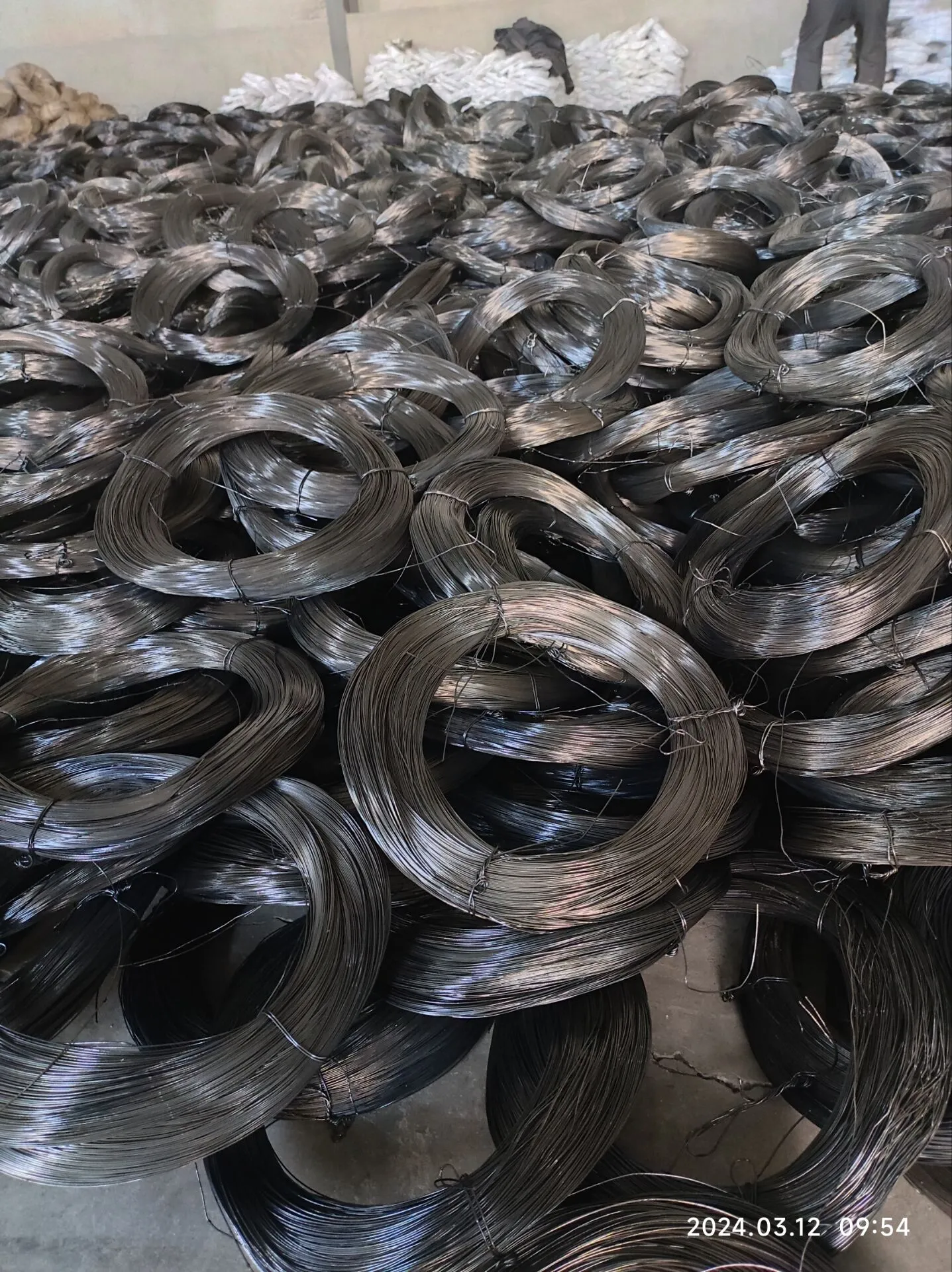
Galvanized (GI) wire 12 gauge is a carbon steel wire coated with a zinc layer to provide corrosion resistance. It’s a widely used material in numerous applications including fencing, construction, agriculture, telecommunications, and manufacturing. Within the industry chain, GI wire 12 gauge represents a crucial intermediate product, typically produced from hot-rolled or cold-drawn steel wire through processes like hot-dip galvanizing. Core performance characteristics encompass tensile strength, elongation, zinc coating thickness, and adherence to specified dimensional tolerances. The primary industry pain point centers around maintaining consistent zinc coating quality, ensuring long-term corrosion protection, and managing costs associated with fluctuating zinc prices. This guide provides a comprehensive technical overview of GI wire 12 gauge, covering material science, manufacturing, performance, potential failure modes, and relevant industry standards.
Material Science & Manufacturing
GI wire 12 gauge typically utilizes carbon steel as its base material, with varying carbon content influencing mechanical properties. Common steel grades include SAE 1008, 1010, and 1018. The zinc coating, applied via hot-dip galvanizing, is the primary corrosion protection mechanism. Zinc’s sacrificial anodic protection means it corrodes preferentially, protecting the underlying steel. The manufacturing process begins with steel wire drawing to achieve the 12 gauge diameter (2.644mm). Surface preparation is critical, involving pickling with hydrochloric or sulfuric acid to remove mill scale and rust. Fluxing prepares the surface for zinc adhesion. Hot-dip galvanizing involves immersing the prepared wire into a molten zinc bath (typically 98% pure zinc at 450-460°C). Critical parameters include bath temperature, immersion time, and withdrawal speed, all impacting coating thickness and uniformity. Cooling is often performed in a water quench followed by passivation to create a protective film. Post-treatment options include chromate conversion coating for enhanced corrosion resistance, though environmental concerns are shifting towards alternative passivation methods. Wire drawing introduces work hardening, and subsequent annealing can be employed to restore ductility. Material properties are intrinsically linked to the composition of the steel core. Higher carbon content increases tensile strength but reduces ductility and weldability. Zinc purity significantly impacts the coating's corrosion resistance. Impurities like lead and aluminum affect galvanizing quality and coating adherence.
Performance & Engineering
The performance of GI wire 12 gauge is primarily characterized by its tensile strength, yield strength, elongation, and corrosion resistance. Tensile strength is typically between 80,000 – 90,000 psi. Yield strength, the point at which permanent deformation occurs, is crucial for applications involving bending or forming. Elongation, a measure of ductility, indicates the wire’s ability to stretch before fracturing. Corrosion resistance is determined by the zinc coating thickness (measured in weight/area, e.g., g/m²) and the uniformity of the coating. Environmental resistance is assessed through salt spray testing (ASTM B117), humidity testing (ASTM D4585), and cyclic corrosion testing. Engineering considerations include assessing the load-bearing capacity of the wire in specific applications, accounting for factors like dynamic loading, temperature fluctuations, and exposure to corrosive environments. The wire's bending radius must be considered to avoid inducing stress concentrations and potential failure. For applications involving welding, the zinc coating must be removed in the weld zone to ensure proper weld formation. Compliance requirements often dictate specific zinc coating thicknesses based on the intended application and exposure severity. For example, agricultural applications may require heavier coatings than indoor applications. The impact of hydrogen embrittlement, a phenomenon where hydrogen diffuses into the steel during galvanizing, should be considered, particularly for high-strength steels. Post-galvanizing treatments, such as baking, can mitigate hydrogen embrittlement.
Technical Specifications
| Parameter | Units | Typical Value | Test Method |
|---|---|---|---|
| Diameter | mm | 2.644 | Micrometer (ASTM E283) |
| Tensile Strength | MPa | 550-620 | ASTM A618 |
| Yield Strength | MPa | 380-450 | ASTM A618 |
| Elongation | % | 10-15 | ASTM A618 |
| Zinc Coating Thickness | g/m² | 260-340 (Class 3) | ASTM A618 / ISO 9002 |
| Zinc Coating Uniformity | % | >95 | ASTM A618 |
Failure Mode & Maintenance
Common failure modes for GI wire 12 gauge include corrosion, fatigue cracking, and breakage. Corrosion occurs when the zinc coating is depleted, exposing the steel to the environment. Accelerated corrosion can result from exposure to acidic or saline environments. Fatigue cracking can occur under cyclic loading, particularly at points of stress concentration (e.g., bends, kinks). Breakage can result from excessive tensile stress, impact damage, or pre-existing defects in the wire. Hydrogen embrittlement can lead to brittle fracture. Failure analysis involves examining the fracture surface to identify the root cause of failure. Microscopic examination can reveal evidence of corrosion, fatigue striations, or brittle fracture characteristics. Preventative maintenance involves periodic inspection for corrosion, damage, or wear. Applying protective coatings (e.g., paints, sealants) can extend the wire's service life. Regular cleaning removes contaminants that can accelerate corrosion. For applications involving cyclic loading, reducing the stress amplitude or increasing the wire diameter can mitigate fatigue cracking. Damaged or corroded sections should be replaced promptly. Consider using more corrosion-resistant alloys or coatings for harsh environments. Proper storage is also crucial; wires should be stored in a dry, well-ventilated environment to prevent premature corrosion.
Industry FAQ
Q: What is the difference between Class 1, Class 2 and Class 3 galvanizing and which should I specify for fencing applications?
A: Galvanizing classes refer to the minimum zinc coating weight (g/m²). Class 1 provides the lowest level of protection, Class 3 a moderate level, and Class 4 the highest. For fencing applications, Class 3 is generally recommended as it offers a good balance between cost and corrosion resistance, providing adequate protection in most environments. Class 1 is often insufficient for outdoor use, while Class 4 may be overkill unless in particularly harsh coastal or industrial environments.
Q: How does the carbon content of the steel core affect the performance of GI wire?
A: Higher carbon content increases the tensile strength of the wire but reduces its ductility and weldability. While higher strength may be desirable, lower ductility can make the wire more prone to brittle fracture, especially in applications involving bending or forming. Steel grades with lower carbon content are generally preferred for applications requiring greater flexibility and formability.
Q: What is hydrogen embrittlement and how can it be prevented?
A: Hydrogen embrittlement occurs when hydrogen atoms diffuse into the steel during the galvanizing process, reducing its ductility and increasing its susceptibility to brittle fracture. It is more prevalent in high-strength steels. Prevention methods include using a low-activity flux, controlling the pickling process, and performing a post-galvanizing baking treatment to drive out the hydrogen.
Q: What is the impact of salt spray testing (ASTM B117) on assessing corrosion resistance?
A: Salt spray testing provides a standardized method for evaluating the corrosion resistance of galvanized coatings. Samples are exposed to a 5% salt spray environment for a specified duration (e.g., 24, 48, 96, 168 hours). While useful for comparative assessment, it's an accelerated test and doesn’t perfectly replicate real-world corrosion conditions. Results should be interpreted cautiously.
Q: Can GI wire be safely welded? What precautions should be taken?
A: GI wire can be welded, but the zinc coating must be removed from the weld zone to ensure proper fusion. The zinc coating produces fumes that are hazardous to inhale, therefore adequate ventilation is crucial during welding. The heat-affected zone may experience reduced corrosion resistance due to the alteration of the zinc coating and metallurgical changes in the steel. Post-weld coating repair may be necessary to restore corrosion protection.
Conclusion
GI wire 12 gauge remains a foundational material across numerous industries, valued for its cost-effectiveness and reliable corrosion protection. Its performance is intrinsically linked to the underlying steel grade, the quality of the zinc coating, and the adherence to stringent manufacturing controls. Understanding the potential failure modes – corrosion, fatigue, and embrittlement – is critical for ensuring long-term structural integrity and operational safety.
Ongoing research focuses on developing more environmentally friendly passivation treatments to replace traditional chromate conversion coatings and optimizing galvanizing processes for improved coating uniformity and reduced zinc consumption. The selection of appropriate galvanizing classes, coupled with proactive inspection and maintenance practices, will continue to be paramount in maximizing the service life and overall value of GI wire 12 gauge in diverse applications.