



Introduction
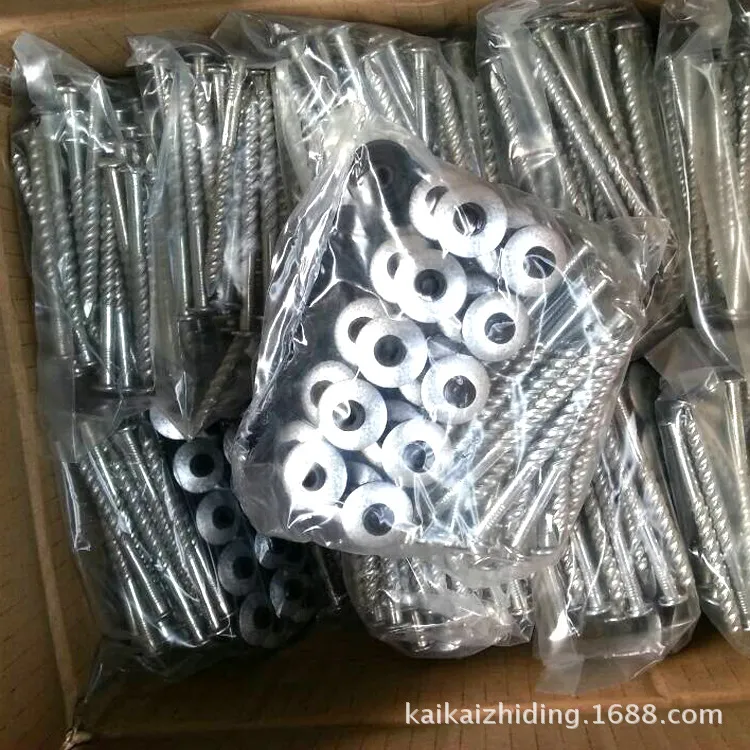
Hot dipped galvanized coil nails represent a crucial fastening solution across diverse construction and industrial applications. These nails are manufactured from steel wire, subsequently coated with a zinc layer through a hot-dip galvanization process. This process imparts superior corrosion resistance compared to uncoated steel nails, making them suitable for both interior and exterior use, particularly in environments susceptible to moisture, chemicals, or saltwater exposure. Positioned within the fastening and joining segment of the building materials supply chain, their performance directly influences the structural integrity and longevity of assembled components. Core performance metrics center around shear strength, tensile strength, bend resistance, and, critically, the long-term effectiveness of the zinc coating in preventing corrosion. The increasing demand for durable, low-maintenance construction materials drives the continued relevance and refinement of hot dipped galvanized coil nail technology.
Material Science & Manufacturing
The primary raw material is typically carbon steel wire, ranging in grades such as SAE 1008 to 1012, selected for their ductility and formability. The steel composition dictates the nail’s inherent strength characteristics. Hot-dip galvanization, the defining manufacturing process, involves immersing the cleaned steel wire into a bath of molten zinc (typically 98% pure zinc). Prior to galvanization, the wire undergoes rigorous surface preparation, including alkaline cleaning, rinsing, fluxing (typically with zinc ammonium chloride), and drying. These steps remove mill scale, rust, and oil, ensuring optimal zinc adhesion. The immersion time and temperature (typically 450-460°C) are precisely controlled to achieve a uniform coating thickness, usually ranging from 50-60 μm for coil nails. Critical parameters monitored include zinc bath composition, iron content within the zinc, silicon content, and cooling rates post-immersion. Following galvanization, the nails are often subjected to a chromate conversion coating to enhance corrosion resistance and improve paint adhesion if necessary. Coil nail formation utilizes a high-speed collating process, where pre-galvanized nail shanks are inserted into a plastic or metal collation for use in coil-nailing tools. The quality of the collation material impacts feeding reliability and tool performance. The metallurgical structure of the galvanized layer features a series of zinc-iron alloy layers formed through a diffusion process, providing a multi-layered barrier against corrosion.
Performance & Engineering
The performance of hot dipped galvanized coil nails is governed by several engineering principles. Shear strength, determined through standardized testing (ASTM F1667), is critical for resisting lateral forces. Tensile strength (ASTM F1667) measures the nail’s resistance to pull-out forces. Bend resistance is important for avoiding nail deformation during installation and under load. The effectiveness of the galvanized coating relies on several factors, including coating thickness, the presence of alloy layers, and the environmental conditions. Corrosion occurs through an electrochemical process; the zinc coating acts as a sacrificial anode, corroding preferentially to the steel substrate. The rate of corrosion depends on exposure to moisture, chlorides (salt spray), sulfur dioxide, and temperature. Engineering analysis must account for potential fatigue failure under cyclical loading. The nail’s shank diameter and length significantly impact its load-bearing capacity. Furthermore, adherence to building codes and industry standards (e.g., ICC-ES reports) is paramount, ensuring the nails meet specific performance requirements for intended applications. Galvanic corrosion, while mitigated by the zinc coating, can still occur in specific environments if the nail is in contact with dissimilar metals. Appropriate material selection and isolation techniques are necessary to prevent this. Environmental resistance includes UV exposure, which can degrade certain coatings over time, though hot-dip galvanization provides robust protection.
Technical Specifications
| Parameter | Unit | Typical Value | Testing Standard |
|---|---|---|---|
| Shank Diameter | mm | 2.1 – 3.4 | ASTM F1667 |
| Shank Length | mm | 30 – 90 | Manufacturer Specification |
| Coating Thickness (Zinc) | μm | 50 – 60 | ASTM B693 |
| Zinc Coating Class | - | G90 (900 g/m²) | ASTM B693 |
| Tensile Strength | MPa | 400 – 600 | ASTM F1667 |
| Shear Strength | MPa | 250 – 450 | ASTM F1667 |
Failure Mode & Maintenance
Common failure modes for hot dipped galvanized coil nails include coating degradation, hydrogen embrittlement, shear failure, and bending failure. Coating degradation occurs through uniform corrosion, pitting corrosion (caused by chloride ions), and white rust (zinc oxide/hydroxide formation in humid environments). Hydrogen embrittlement, though less common with modern galvanizing processes, can occur if excessive hydrogen is absorbed during pickling, leading to brittle fracture. Shear failure results from exceeding the nail’s shear strength capacity. Bending failure occurs when the nail deflects excessively under load. Failure analysis often involves microscopic examination of the fracture surface to determine the root cause. Maintenance primarily focuses on preventative measures. Proper storage in a dry environment is crucial to minimize white rust formation. Avoiding contact with dissimilar metals reduces the risk of galvanic corrosion. For applications exposed to harsh environments (e.g., saltwater), supplemental coatings (e.g., epoxy) can extend the service life. Periodic inspections for coating damage are recommended. In cases where corrosion is evident, prompt replacement of affected nails is essential to maintain structural integrity. The use of compatible fasteners (e.g., galvanized screws) when replacing nails is vital to prevent accelerated corrosion. Regular tool maintenance ensures accurate nail driving and minimizes the risk of bending or damaging the nails during installation.
Industry FAQ
Q: What is the impact of the zinc coating thickness on the nail’s lifespan?
A: Coating thickness directly correlates with corrosion resistance and service life. A thicker coating provides a greater sacrificial barrier, delaying the onset of steel corrosion. However, excessively thick coatings can be brittle and prone to cracking. The optimal thickness is typically determined by the intended application environment and the severity of corrosive elements present.
Q: How does the steel grade affect the nail’s performance?
A: Higher carbon steel grades offer greater tensile strength but reduced ductility, making them more susceptible to brittle fracture. Lower carbon steel grades provide better ductility and formability but may exhibit lower strength. The appropriate steel grade depends on the specific application requirements, balancing strength and ductility.
Q: Can hot dipped galvanized nails be used with treated lumber?
A: Yes, but careful consideration is required. Some lumber treatments, particularly those containing copper-based preservatives (e.g., ACQ), can accelerate corrosion of galvanized steel. The use of stainless steel or ceramic-coated fasteners is often recommended for lumber treated with these preservatives.
Q: What is the difference between hot-dip galvanizing and electrogalvanizing?
A: Hot-dip galvanizing produces a thicker, more durable coating with superior corrosion resistance due to the diffusion of zinc into the steel substrate. Electrogalvanizing provides a thinner, smoother coating primarily for aesthetic purposes and offers lower corrosion protection. Hot-dip galvanization is generally preferred for structural applications requiring long-term durability.
Q: What is the role of chromate conversion coating?
A: Chromate conversion coating, often applied as a post-treatment, enhances corrosion resistance by forming a passivation layer on the zinc surface. It also improves paint adhesion if further coatings are applied. However, due to environmental concerns regarding hexavalent chromium, trivalent chromium conversion coatings are increasingly being used as a more environmentally friendly alternative.
Conclusion
Hot dipped galvanized coil nails remain a foundational element in numerous construction and industrial applications due to their robust corrosion resistance and reliable fastening performance. The manufacturing process, centered around meticulous surface preparation and controlled zinc immersion, dictates the quality and longevity of the coating. Understanding the interplay between material science, engineering principles, and environmental factors is critical for selecting the appropriate nail type and ensuring structural integrity.
Future advancements in coating technology, such as the development of enhanced alloy coatings and environmentally friendly passivation treatments, will likely further extend the service life and broaden the application range of these essential fasteners. Ongoing research into fatigue resistance and improved corrosion protection mechanisms will continue to drive innovation in this field, ensuring hot dipped galvanized coil nails remain a vital component of the built environment.