



Introduction
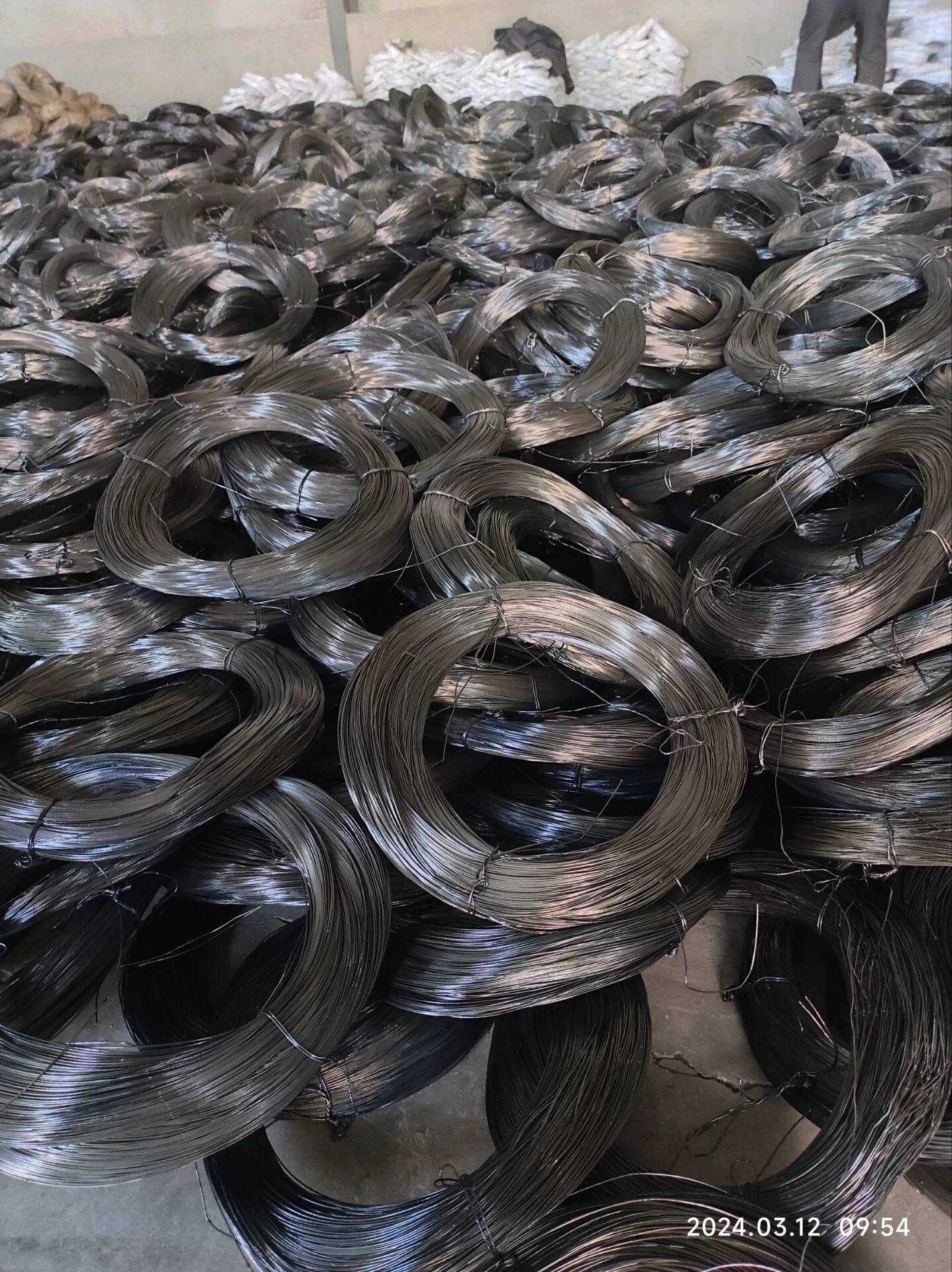
Loop ties, as applied to concrete construction, represent a specialized rebar tie methodology utilized to secure intersecting reinforcement bars prior to and during concrete pouring. This contrasts with traditional wire tying methods, offering improved speed, consistency, and, critically, reduced concrete cover disruption. Positioned within the concrete reinforcement phase of the construction supply chain, loop ties directly impact the structural integrity and longevity of reinforced concrete elements. Core performance characteristics include tensile strength of the tie itself, corrosion resistance, and the ability to maintain rebar positioning under dynamic loading and vibration during concrete placement. Addressing the industry’s increasing demands for faster construction timelines and minimized risk of structural defects, loop ties represent a significant advancement in rebar installation technology. The primary pain point addressed is the labor-intensive nature of manual tying, prone to inconsistencies and potential for inadequate tie strength, leading to rebar displacement and compromised concrete structural capacity.
Material Science & Manufacturing
The manufacture of loop ties typically employs high-tensile strength, low-carbon steel wire, frequently conforming to ASTM A82 standards. The raw material undergoes a cold-forming process – specifically, a series of bending and looping operations – performed on automated machinery. Key material properties include a yield strength generally exceeding 500 MPa and ultimate tensile strength exceeding 600 MPa. The steel's composition is carefully controlled to ensure ductility, preventing brittle fracture during forming and installation. Surface treatment is crucial; galvanized coatings (ASTM A153 specification) are common for corrosion resistance, though epoxy coatings and stainless steel options (304 or 316 grades) are employed in particularly aggressive environments. Parameter control during manufacturing is paramount. Bend radii must be precise to prevent stress concentrations and cracking. Loop dimensions are maintained within strict tolerances to ensure consistent rebar grip. Wire diameter is a critical factor influencing tie strength; commonly used diameters range from 1.2mm to 2.0mm depending on rebar size. Quality control procedures include regular tensile testing of finished ties and dimensional inspection to verify conformance to specified standards. Welding is generally avoided in the tie’s structural elements to prevent localized metallurgical changes that could compromise strength.
Performance & Engineering
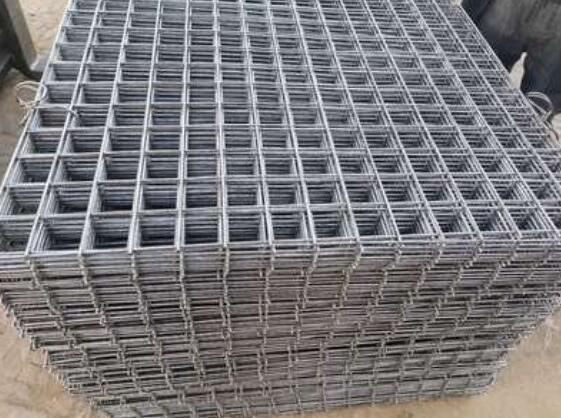
The performance of loop ties is fundamentally governed by principles of statics and materials science. Each tie must withstand shear forces generated during concrete placement and vibration, as well as tensile forces resulting from thermal expansion and contraction of the concrete and rebar. Engineering analysis focuses on determining the minimum tie strength required to maintain rebar spacing under anticipated load conditions. Finite Element Analysis (FEA) is often employed to model stress distribution within the tie and at the rebar interface. Corrosion resistance is a critical performance factor, particularly in marine environments or structures exposed to de-icing salts. Galvanized coatings provide sacrificial protection, but their effectiveness diminishes over time. Epoxy coatings offer superior long-term protection but can be susceptible to damage during handling. The geometry of the loop tie is engineered to maximize grip strength and minimize slippage. Loop shape and diameter are optimized to distribute load evenly across the rebar surface. Compliance requirements are dictated by local building codes and industry standards, such as ACI 318 (Building Code Requirements for Structural Concrete). These standards specify minimum rebar spacing and tying requirements based on structural design parameters. Force analysis considers the hydrostatic pressure exerted by wet concrete, potential impact forces from vibration equipment, and the long-term creep and shrinkage of the concrete matrix.
Technical Specifications
| Parameter | Unit | Standard Specification (ASTM A82/A153) | Typical Value |
|---|---|---|---|
| Wire Diameter | mm | Variable, based on tie size | 1.2 – 2.0 |
| Tensile Strength | MPa | Minimum 600 | 650-750 |
| Yield Strength | MPa | Minimum 500 | 550-650 |
| Elongation at Break | % | Minimum 15 | 18-22 |
| Galvanization Coating Thickness | µm | ASTM A153, Class D (min 55µm) | 60-80 |
| Loop Shear Strength | N | Minimum 200 (per manufacturer testing) | 250-300 |
Failure Mode & Maintenance
Failure modes for loop ties primarily stem from corrosion, fatigue, and overload. Corrosion, especially in chloride-rich environments, leads to gradual degradation of the steel, reducing its cross-sectional area and tensile strength. Fatigue cracking can occur due to repeated stresses from concrete vibration and temperature cycling. Overload failure results from exceeding the tie's tensile or shear capacity, often due to improper rebar spacing or excessive concrete pressure. Analysis of failed ties frequently reveals localized corrosion pits or fatigue cracks initiating at the bend radii. Maintenance is generally not directly applicable to loop ties post-concrete pouring, as they are embedded within the structure. However, preventative measures are crucial. Employing corrosion-resistant materials (stainless steel, epoxy-coated ties) in aggressive environments significantly extends service life. Proper concrete curing minimizes shrinkage cracking, reducing stress on the ties. Regular inspection of rebar placement during installation ensures correct spacing and tie application, preventing overload. A common failure analysis technique involves microscopic examination of fractured tie surfaces to determine the mode of failure (corrosion, fatigue, overload). Electrochemical testing can assess the rate of corrosion and the effectiveness of protective coatings. Early detection of corrosion through non-destructive testing (NDT) methods can inform preventative maintenance strategies for the overall concrete structure.
Industry FAQ
Q: What is the advantage of loop ties over traditional wire tying in terms of concrete cover?
A: Traditional wire tying often requires the rebar to be physically pushed aside to allow for wire wrapping, resulting in reduced concrete cover over the rebar. Loop ties, due to their smaller profile and application method, minimize rebar displacement, ensuring adequate concrete cover and enhancing corrosion protection. Maintaining sufficient concrete cover is vital for preventing premature rebar corrosion and maintaining the structural integrity of the concrete element.
Q: What is the expected service life of galvanized loop ties in a marine environment?
A: The service life of galvanized loop ties in a marine environment is highly variable and dependent on chloride concentration, oxygen availability, and temperature. Typically, galvanized ties can provide adequate corrosion protection for 5-10 years in moderate marine environments. However, in highly corrosive conditions, the service life can be significantly reduced. Stainless steel or epoxy-coated ties are recommended for prolonged service in aggressive marine applications.
Q: How does the wire diameter of a loop tie influence its strength?
A: The tensile strength of a loop tie is directly proportional to the cross-sectional area of the wire, which is determined by its diameter. A larger wire diameter provides a greater resistance to tensile and shear forces. However, increasing the wire diameter also increases the cost of the tie and may require more force to install.
Q: What quality control measures are typically implemented during the manufacturing of loop ties?
A: Typical quality control measures include raw material verification (chemical composition and mechanical properties), dimensional inspection of finished ties, and regular tensile testing to ensure conformance to specified strength requirements. Statistical process control (SPC) techniques are often employed to monitor manufacturing parameters and detect deviations from established standards. Visual inspection for surface defects and coating integrity is also a critical component of the quality control process.
Q: Are there any specific installation guidelines for loop ties to ensure optimal performance?
A: Proper installation is crucial for optimal performance. Loop ties should be applied tightly around the intersecting rebar, ensuring a secure grip. Over-tightening can damage the coating and reduce the tie's effectiveness. Ties should be placed at intervals specified by relevant building codes or structural engineering drawings. Avoid using damaged or corroded ties. Proper training of installation personnel is essential to ensure consistent and reliable application.
Conclusion
Loop ties represent a significant improvement over traditional rebar tying methods, offering enhanced speed, consistency, and structural performance. Their optimized design, combined with appropriate material selection and manufacturing controls, ensures reliable rebar positioning during concrete placement. Addressing the core industry pain point of labor-intensive and inconsistent tying practices, loop ties contribute to faster construction timelines and reduced risk of structural defects.
The future of rebar tying likely involves increased adoption of automated tie application systems and the development of even more corrosion-resistant tie materials. Further research into FEA modeling and long-term durability studies will refine design parameters and optimize performance. Continued adherence to industry standards (ACI, ASTM) and rigorous quality control procedures are essential for maintaining the integrity and reliability of reinforced concrete structures.