


Introduction
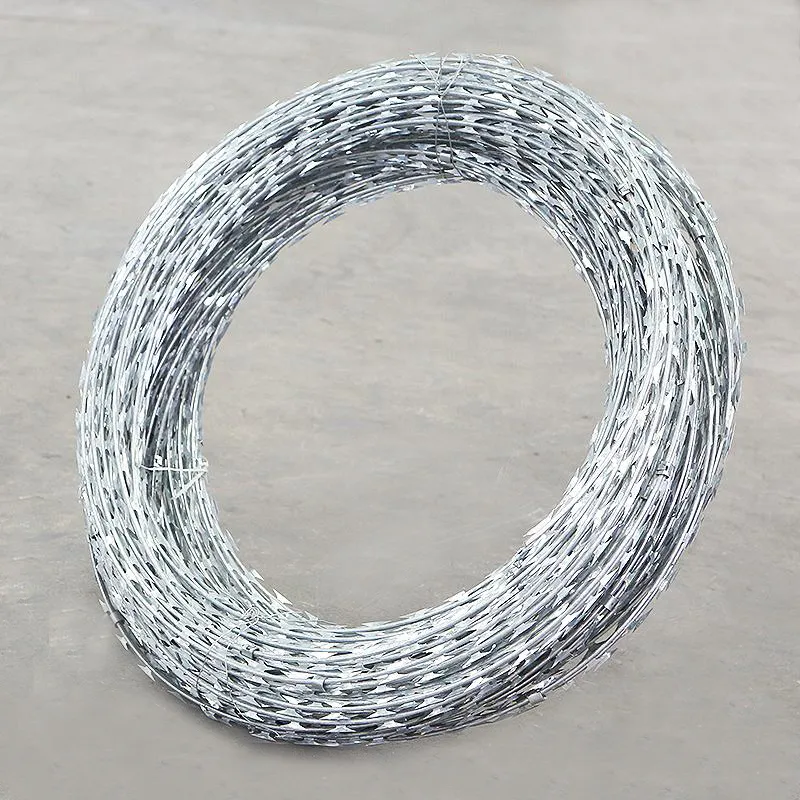
Seizing wire, specifically galvanized seizing wire, is a critical fastening component employed across a multitude of industrial applications, predominantly within the marine, oil & gas, construction, and power generation sectors. Functionally, it serves to securely bind cables, pipes, and other cylindrical components, providing a temporary or semi-permanent fastening solution where traditional clamps or couplings are impractical or insufficient. The galvanized coating is paramount, offering substantial corrosion resistance, extending operational life in harsh environments. Its technical position in the supply chain lies between raw material production (typically low-carbon steel wire rod) and final assembly/installation. Core performance characteristics hinge on tensile strength, ductility, corrosion protection effectiveness, and ease of application. Understanding these properties and their interdependencies is fundamental to ensuring application suitability and long-term reliability. The selection of appropriate seizing wire is dictated by the load requirements, environmental exposure, and the material compatibility with the components being bound.
Material Science & Manufacturing
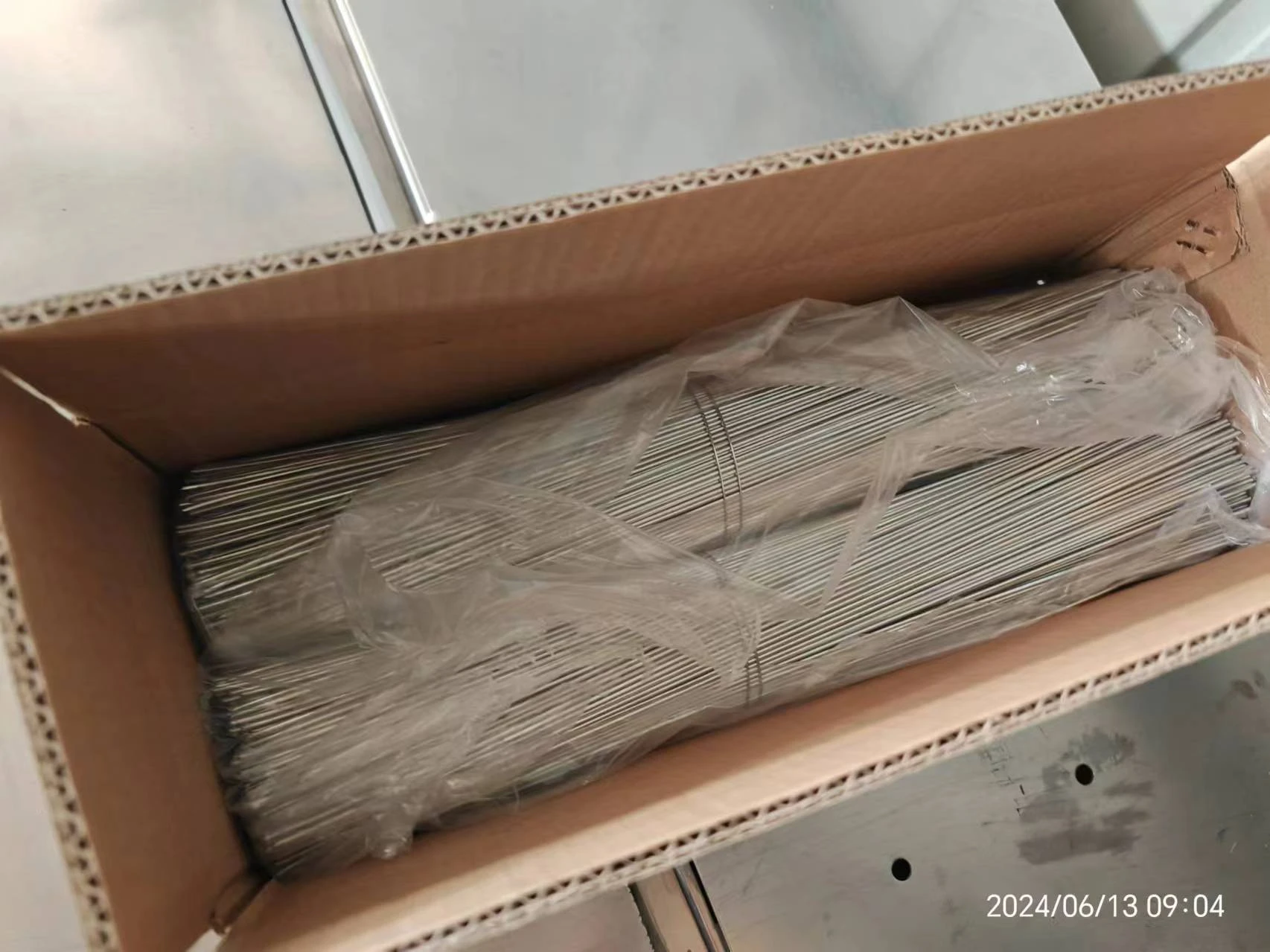
Galvanized seizing wire is primarily manufactured from low-carbon steel wire rod, typically AISI 1008 or equivalent, chosen for its balance of strength and ductility. The steel composition contains minimal carbon (around 0.08%) with trace elements like manganese and phosphorus influencing its mechanical properties. The manufacturing process begins with wire drawing, reducing the diameter of the wire rod through a series of dies, increasing tensile strength and refining the grain structure. Subsequent processes involve straightening and cleaning to remove surface contaminants. The galvanization process, most commonly hot-dip galvanizing, is crucial. In this process, the steel wire is immersed in a molten zinc bath (typically 98% pure zinc) at approximately 450°C (842°F). A metallurgical reaction occurs, forming a series of zinc-iron alloy layers, providing robust corrosion protection. The thickness of the zinc coating is a critical parameter, dictated by application requirements and standards. Electrolytic galvanizing is an alternative method, producing a thinner, more uniform coating suitable for specific applications. Key parameter control during manufacturing includes maintaining consistent wire diameter, ensuring complete and uniform zinc coating coverage, and controlling the mechanical properties through heat treatment post-galvanization to optimize ductility and tensile strength. The wire is then wound onto spools for ease of handling and deployment. Maintaining quality control throughout each stage ensures adherence to required specifications.
Performance & Engineering
The performance of galvanized seizing wire is directly correlated with its mechanical properties and corrosion resistance. Tensile strength, typically ranging from 600 to 800 MPa, dictates the load-bearing capacity and resistance to breakage under stress. Ductility, measured by elongation percentage at break, determines the wire’s ability to deform without fracturing, essential for conforming to irregular surfaces and absorbing shock loads. A critical engineering consideration is the application of force during the seizing process. Excessive tension can overstress the wire, leading to yielding or breakage. Conversely, insufficient tension may result in slippage or inadequate binding. Environmental resistance is largely dependent on the zinc coating’s thickness and the presence of any post-treatment. Exposure to chlorides, sulfides, and industrial pollutants can accelerate corrosion. Furthermore, galvanic corrosion can occur when the galvanized wire is in contact with dissimilar metals. Compliance requirements vary depending on the industry and application. Marine applications often require adherence to ABS, DNV, or Lloyd’s Register standards, specifying minimum zinc coating thickness and mechanical property requirements. Power generation facilities might require compliance with IEEE standards concerning grounding and bonding applications. Accurate calculation of required wire length is also crucial. Underestimation can lead to incomplete securing; overestimation creates unnecessary waste. The wire's flexibility also influences its performance, allowing for easier manipulation around complex geometries.
Technical Specifications
| Diameter (mm) | Tensile Strength (MPa) | Zinc Coating Thickness (µm) | Elongation at Break (%) |
|---|---|---|---|
| 1.2 | 650 | 45 | 15 |
| 1.6 | 700 | 55 | 18 |
| 2.0 | 750 | 65 | 20 |
| 2.5 | 800 | 75 | 22 |
| 3.0 | 800 | 85 | 25 |
| 3.5 | 800 | 95 | 27 |
Failure Mode & Maintenance
Seizing wire can fail through several mechanisms. Corrosion, particularly galvanic corrosion in the presence of dissimilar metals, is a primary failure mode. Crevice corrosion can also occur under the seizing wire where moisture and contaminants accumulate. Hydrogen embrittlement, a consequence of the galvanizing process, can reduce ductility and lead to premature cracking under tensile stress, especially in high-strength wire grades. Fatigue cracking can initiate from surface imperfections or sharp bends, propagating under cyclic loading. Mechanical damage, such as abrasion or cutting during installation or service, can compromise the wire’s integrity. Over-tightening can cause yielding and plastic deformation, reducing clamping force and potentially leading to breakage. For maintenance, regular visual inspections are crucial. Look for signs of corrosion, fraying, or mechanical damage. If corrosion is detected, consider replacing the wire, especially in critical applications. Ensure proper application techniques, avoiding over-tightening and sharp bending. In extremely corrosive environments, periodic replacement of the seizing wire is recommended, even in the absence of visible damage, to prevent catastrophic failure. Applying a corrosion inhibitor compatible with the zinc coating can extend service life. It is crucial to document all inspections and replacements for traceability and risk management.
Industry FAQ
Q: What is the primary advantage of using galvanized seizing wire over bare steel wire?
A: The primary advantage is significantly enhanced corrosion resistance. The zinc coating acts as a sacrificial anode, protecting the underlying steel from oxidation. This is critical in marine and outdoor applications where exposure to moisture, salt spray, and other corrosive elements is prevalent. Bare steel wire will corrode rapidly, compromising its strength and reliability.
Q: How does wire diameter impact the seizing wire’s performance?
A: Wire diameter directly influences tensile strength and load-bearing capacity. Larger diameter wire provides greater strength but is less flexible and can be more difficult to manipulate. Smaller diameter wire is more pliable but has lower strength. The optimal diameter is determined by the weight and stress of the components being secured.
Q: What are the potential consequences of using seizing wire with insufficient zinc coating?
A: Insufficient zinc coating leads to reduced corrosion protection, increasing the risk of premature failure. The wire will corrode more rapidly, losing strength and potentially breaking, resulting in loss of containment or structural integrity. This is particularly problematic in harsh environments.
Q: Can galvanized seizing wire be used with aluminum components?
A: Caution is advised. Galvanized steel in contact with aluminum can promote galvanic corrosion, accelerating the deterioration of the aluminum component. If contact is unavoidable, an isolation barrier (e.g., a non-conductive sleeve) should be used to prevent direct metallic contact.
Q: What is the recommended practice for disposing of used seizing wire?
A: Used seizing wire, containing zinc, should be disposed of in accordance with local environmental regulations. It can often be recycled as scrap metal, recovering both the steel and zinc. Improper disposal can contribute to environmental contamination.
Conclusion
Galvanized seizing wire remains a vital component in numerous industrial applications demanding reliable and corrosion-resistant fastening solutions. Its effectiveness stems from a combination of material science – specifically the protective properties of the zinc coating on low-carbon steel – and precise manufacturing controls. Understanding the interplay between tensile strength, ductility, corrosion resistance, and environmental factors is critical for selecting the appropriate wire for a given application. Proper installation techniques and regular inspection protocols are essential for maximizing service life and preventing premature failure.
Future developments may focus on enhancing the corrosion resistance of galvanized wire through novel coating technologies or alloy compositions. Furthermore, the implementation of smart sensing technologies within the seizing wire itself could provide real-time monitoring of stress levels and corrosion rates, enabling predictive maintenance and minimizing downtime. Continued research and development in these areas will ensure that galvanized seizing wire continues to meet the evolving demands of modern industry.