



Introduction
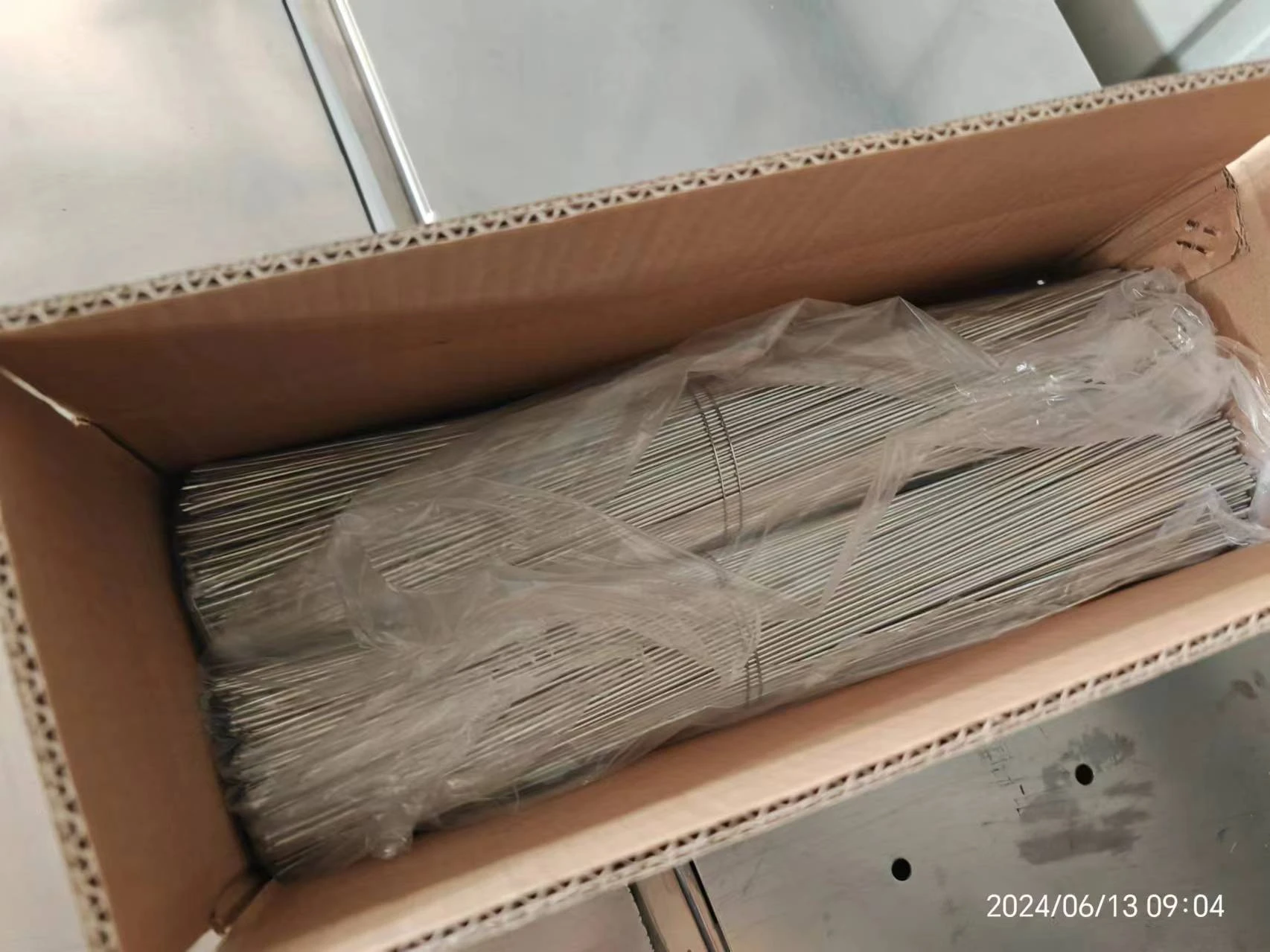
Smooth shank coil nails represent a significant advancement in fastening technology, particularly within the construction and woodworking industries. These nails, characterized by their lack of rings or barbs along the shank, are collated in a coil for use in pneumatic nailers. Their primary function is to provide rapid and efficient fastening in applications requiring high-volume nail placement, such as sheathing, subflooring, framing, and pallet manufacturing. Unlike ring shank nails which rely on frictional resistance, smooth shank nails depend primarily on shank deformation and material compression for holding power. Understanding their material composition, manufacturing process, performance characteristics, potential failure modes, and adherence to industry standards is critical for ensuring structural integrity and longevity of construction projects. This guide provides a comprehensive technical overview of smooth shank coil nails, targeting engineers, procurement managers, and construction professionals seeking to optimize their fastening processes.
Material Science & Manufacturing
The core material for smooth shank coil nails is typically carbon steel, specifically SAE 1008 or similar low-carbon steel grades. This choice balances cost-effectiveness with sufficient ductility for forming and driving. The steel undergoes several processing stages. Initial feedstock is drawn into wire of the appropriate gauge (typically ranging from 2.1mm to 3.4mm diameter, corresponding to different nail gauges). This wire is then subjected to a phosphating treatment to enhance corrosion resistance and improve paint adhesion. Subsequent cold heading forms the nail head, precisely controlled for diameter and cup shape to ensure proper seating and holding power. The shank is then formed, ensuring its smoothness and consistent dimensions. Critical parameters during manufacturing include wire tension, heading pressure, and annealing temperature – deviations significantly impact nail strength and ductility. The nails are then progressively formed into a coil, utilizing specialized machinery that maintains consistent pitch and alignment. Quality control is paramount, involving dimensional checks, hardness testing (typically Rockwell C 30-40), and coating thickness verification. Polymer coatings, such as polyester or epoxy, are frequently applied to further enhance corrosion resistance, with coating thicknesses typically between 20-50 micrometers. Zinc coating is an alternative, though offering less robust corrosion protection in certain environments. The metallurgical structure of the steel is crucial; a fine grain structure is preferred for maximizing tensile strength and minimizing brittleness. Improper annealing can lead to grain growth and reduced ductility, increasing the risk of nail failure during driving or under load.
Performance & Engineering
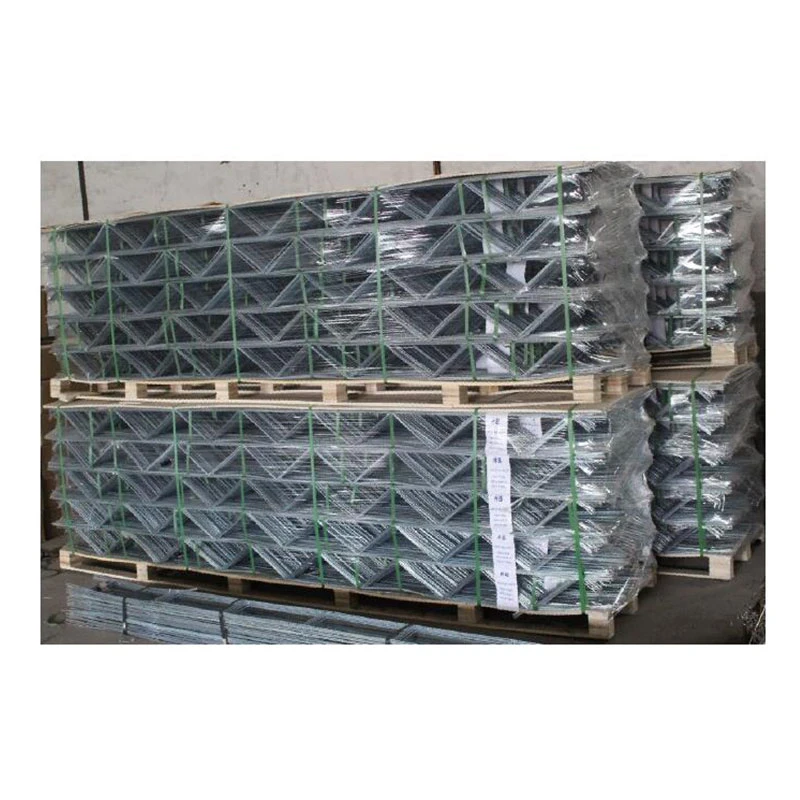
The performance of smooth shank coil nails is governed by several key engineering principles. Withdrawal resistance, a primary performance metric, is influenced by shank diameter, nail length, and the density of the material being fastened. While smooth shank nails exhibit lower immediate withdrawal resistance compared to ring shank nails, they offer advantages in applications where minimizing wood splitting is critical. Shear strength, the ability to resist forces acting parallel to the nail shank, is determined by shank diameter and steel grade. Engineers must calculate the required shear capacity based on anticipated loads, applying appropriate safety factors according to local building codes. Bending resistance is another crucial parameter, especially in applications subjected to lateral forces. Nail head geometry plays a significant role in preventing head pull-through. The driving process itself introduces stress concentrations at the nail point and head, potentially leading to failure. Pneumatic nailer settings (air pressure, depth adjustment) must be carefully calibrated to minimize stress and ensure complete seating. Environmental resistance is also a critical consideration. Exposure to moisture, temperature fluctuations, and corrosive substances can accelerate nail degradation. Corrosion protection measures, such as polymer coatings, are essential for prolonging service life. Compliance with industry standards, such as those established by the American National Standards Institute (ANSI) and the International Code Council (ICC), is mandatory for ensuring the structural integrity of buildings and other engineered structures. Finite Element Analysis (FEA) is frequently used to model nail behavior under various loading conditions, optimizing nail design and fastener selection.
Technical Specifications
| Nail Diameter (Gauge) | Nail Length (mm) | Shank Material | Coating Type | Minimum Withdrawal Resistance (N) | Shear Strength (N) |
|---|---|---|---|---|---|
| 2.1mm (8d) | 50 | SAE 1008 Carbon Steel | Polyester | 250 | 800 |
| 2.5mm (9d) | 63 | SAE 1008 Carbon Steel | Polyester | 350 | 1200 |
| 2.9mm (10d) | 75 | SAE 1008 Carbon Steel | Polyester | 450 | 1600 |
| 3.1mm (11d) | 90 | SAE 1008 Carbon Steel | Epoxy | 550 | 2000 |
| 3.4mm (12d) | 100 | SAE 1008 Carbon Steel | Epoxy | 650 | 2400 |
| 2.5mm (9d) | 63 | SAE 1008 Carbon Steel | Zinc | 300 | 1100 |
Failure Mode & Maintenance
Smooth shank coil nails are susceptible to several failure modes. Fatigue cracking can occur under cyclic loading, particularly in applications involving vibrations or repeated stress. This typically initiates at the nail point or head, propagating through the shank. Shank bending, resulting from excessive lateral forces, can lead to permanent deformation and loss of holding power. Head pull-through occurs when the nail head is unable to withstand the applied tensile force, resulting in the nail dislodging from the material. Corrosion is a significant contributor to nail failure, particularly in humid or corrosive environments. Rust formation weakens the shank, reducing its strength and ductility. Galvanic corrosion can occur when dissimilar metals are in contact, accelerating the corrosion process. Improper driving, such as driving nails at an angle or using excessive air pressure, can cause nail bending or splitting of the wood, compromising the connection. Maintenance primarily focuses on preventative measures. Selecting nails with appropriate corrosion protection for the intended environment is crucial. Ensuring proper nailer settings and techniques during installation minimizes the risk of damage. Regular inspections of fastened structures can identify early signs of corrosion or failure, allowing for timely repairs or replacements. Should localized corrosion occur, localized treatment with rust inhibitors can temporarily extend service life. Complete replacement of corroded nails is the preferred long-term solution.
Industry FAQ
Q: What is the primary difference in holding power between smooth shank and ring shank coil nails, and when would I choose one over the other?
A: Ring shank nails offer superior immediate withdrawal resistance due to the rings biting into the wood fibers. However, smooth shank nails minimize wood splitting, making them ideal for applications where splitting is a concern, such as thin wood sheathing or hardwood applications. While initial hold is lower, smooth shank nails still provide adequate holding power, especially when properly sized and installed.
Q: How does the coating type (polyester vs. epoxy vs. zinc) affect the long-term performance of smooth shank coil nails in corrosive environments?
A: Polyester coatings offer basic corrosion protection, suitable for interior applications or mildly corrosive environments. Epoxy coatings provide significantly improved corrosion resistance, ideal for outdoor or humid environments. Zinc coatings offer sacrificial protection, but are less durable than epoxy and polyester in harsh conditions. Epoxy generally provides the longest service life in corrosive conditions.
Q: What is the recommended air pressure range for driving smooth shank coil nails to minimize the risk of bending or splitting the wood?
A: The optimal air pressure range varies depending on the nailer model, wood species, and nail size. Generally, a range of 70-90 PSI is recommended as a starting point. It's crucial to consult the nailer manufacturer's specifications and adjust the pressure until the nails are driven flush without bending or splitting the wood.
Q: Are there specific building codes or industry standards that dictate the allowable shear strength or withdrawal resistance values for smooth shank coil nails?
A: Building codes typically reference standards established by organizations like the International Code Council (ICC) and the American National Standards Institute (ANSI). These standards provide guidelines for calculating allowable loads based on nail size, material grade, and installation parameters. Engineers are responsible for ensuring compliance with local building codes.
Q: What are the key quality control checks that should be performed during the manufacturing process to ensure the consistency and reliability of smooth shank coil nails?
A: Key quality control checks include dimensional accuracy of the nail head and shank, hardness testing to verify steel properties, coating thickness measurement, visual inspection for surface defects, and coil pitch consistency. Statistical process control (SPC) is used to monitor and maintain consistent manufacturing parameters.
Conclusion
Smooth shank coil nails represent a versatile and efficient fastening solution for a wide range of construction and industrial applications. Their effectiveness hinges on a careful understanding of their material properties, manufacturing processes, and performance characteristics. Selecting the appropriate nail size, material grade, and coating type based on the specific application and environmental conditions is crucial for ensuring long-term structural integrity.
Continued advancements in material science and coating technologies will likely lead to further improvements in the corrosion resistance and overall performance of smooth shank coil nails. Adhering to industry standards, implementing rigorous quality control measures, and employing proper installation techniques are essential for maximizing the benefits of this valuable fastening technology. A holistic understanding of these elements enables engineers and construction professionals to optimize their fastening processes, enhance structural reliability, and minimize lifecycle costs.