



Introduction
Smooth shank roofing nails are a critical fastening element in residential and commercial roofing systems. Positioned within the building materials supply chain as a specialized fastener, they secure roofing materials – typically asphalt shingles, wood shakes, or tiles – to the underlying roof deck, usually composed of plywood or OSB (Oriented Strand Board). Their defining characteristic, the smooth shank, differentiates them from ring shank nails, impacting their withdrawal resistance and suitability for specific applications. Core performance metrics center around shear strength, tensile strength, bending resistance, and corrosion resistance, all vital for ensuring the long-term integrity of the roof structure. The industry faces consistent pressure to balance nail cost with long-term performance, especially concerning wind uplift resistance and preventing premature nail failure due to environmental exposure. Furthermore, meeting increasingly stringent building codes and insurance requirements drives demand for higher-quality, consistently performing roofing nails.
Material Science & Manufacturing
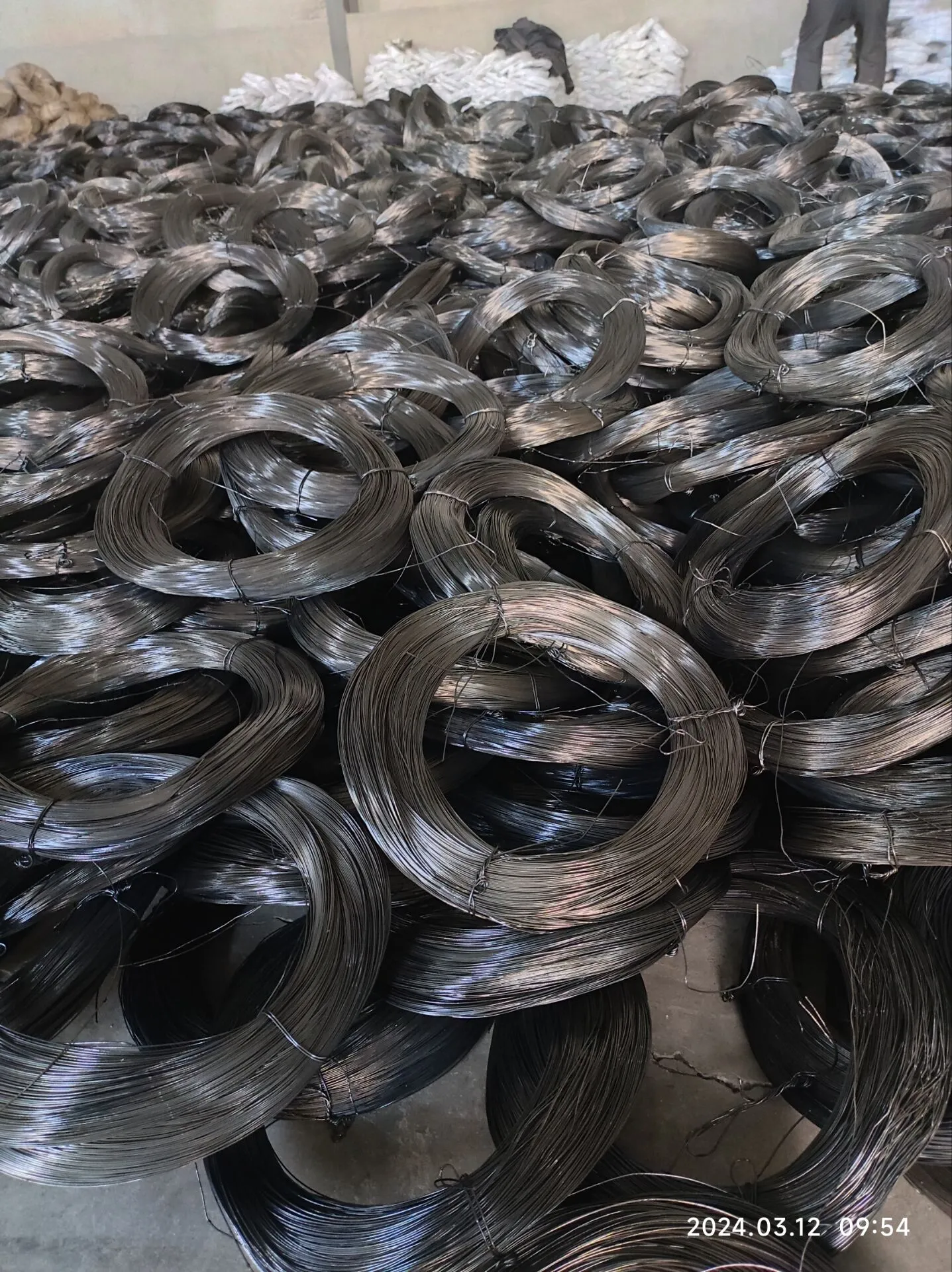
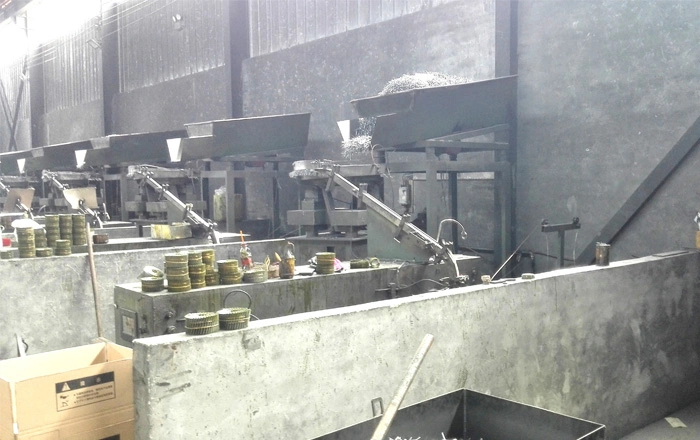
Smooth shank roofing nails are predominantly manufactured from high-carbon steel, typically SAE 1049 or 1050. These steels offer a balance of hardness, tensile strength, and ductility necessary for nail forming and driving without brittle fracture. The steel undergoes a wire drawing process to achieve the desired shank diameter, typically ranging from 0.099" to 0.131" (2.51mm to 3.33mm). The nail head is formed through a heading process, utilizing cold forging techniques to shape the flat, broad head characteristic of roofing nails. A crucial step is the coating process. Historically, galvanized coatings (zinc) were common, offering sacrificial corrosion protection. However, modern roofing nails increasingly utilize electrogalvanized coatings, providing a more uniform and durable zinc layer. Polymer coatings, such as epoxy or polyester, are also applied over the zinc layer to enhance corrosion resistance and improve aesthetic appeal. The manufacturing process demands precise control over several parameters: wire quality (chemical composition, surface finish), heading temperature (to avoid work hardening and cracking), coating thickness (measured in microns), and head diameter/thickness (to ensure proper seating and holding power). Improper control can lead to brittle nails prone to bending or breakage during installation, or premature corrosion leading to roof failure. Quality control involves rigorous testing of tensile strength, shear strength, coating thickness, and head dimensions according to ASTM standards.
Performance & Engineering
The performance of smooth shank roofing nails is dictated by several engineering principles. Shear strength, the nail’s resistance to forces acting parallel to the shank, is paramount for resisting wind uplift. This is directly related to the nail’s shank diameter and the material’s yield strength. Tensile strength, the resistance to forces pulling the nail out, is affected by the nail’s length, shank diameter, and the adhesion between the nail coating and the wood. Wind uplift forces on roofing systems are complex and vary based on roof pitch, wind speed, and building geometry. Engineers utilize models based on ASCE 7 (Minimum Design Loads and Associated Criteria for Buildings and Other Structures) to calculate these forces and determine the required nail density (nails per square foot). The smooth shank design offers less withdrawal resistance than ring shank nails. This means smooth shank nails rely more heavily on friction between the nail shank and the wood fibers for holding power. Environmental resistance is critical. Exposure to moisture, UV radiation, and temperature fluctuations can accelerate corrosion and reduce nail strength. The quality and thickness of the coating are crucial in mitigating these effects. Compliance with building codes, such as the International Building Code (IBC) and local amendments, is essential. These codes specify minimum nail size, spacing, and corrosion resistance requirements based on the building’s location and wind exposure category.
Technical Specifications
| Diameter (inches) | Length (inches) | Shank Material | Coating Type | Minimum Shear Strength (psi) | Minimum Tensile Strength (psi) |
|---|---|---|---|---|---|
| 0.099 | 1.25 | SAE 1049 Steel | Electrogalvanized | 180 | 800 |
| 0.099 | 1.50 | SAE 1049 Steel | Electrogalvanized with Polymer Coating | 200 | 900 |
| 0.113 | 1.25 | SAE 1050 Steel | Hot-Dip Galvanized | 220 | 1000 |
| 0.113 | 1.50 | SAE 1050 Steel | Electrogalvanized with Epoxy Coating | 250 | 1100 |
| 0.120 | 1.25 | SAE 1050 Steel | Electrogalvanized | 270 | 1200 |
| 0.131 | 1.50 | SAE 1050 Steel | Electrogalvanized with Polyester Coating | 300 | 1300 |
Failure Mode & Maintenance
Smooth shank roofing nails are susceptible to several failure modes. Withdrawal failure occurs when the nail pulls out of the wood due to insufficient holding power, often exacerbated by wood shrinkage or wind uplift. Shear failure happens when the nail bends or breaks due to lateral forces exceeding its shear strength. Corrosion is a significant concern, particularly in coastal environments or areas with high humidity. Rust weakens the nail shank, reducing both tensile and shear strength. Fatigue cracking can occur under cyclical loading, such as from repeated thermal expansion and contraction. Delamination of the coating exposes the underlying steel to corrosion. Preventative maintenance is limited once the roof is installed. However, regular inspections can identify signs of nail failure, such as popped nails, rust staining, or missing shingles. Corrective action involves replacing failed nails with appropriately sized and coated nails. Proper installation techniques are critical for preventing premature failure: nails should be driven perpendicular to the roofing material and to the correct depth, avoiding bending or overdriving. Selecting the correct nail length and diameter for the roofing material and substrate is also vital. Consideration of the local climate and exposure conditions during nail selection can extend the roof’s lifespan and reduce maintenance requirements.
Industry FAQ
Q: What is the primary difference between smooth shank and ring shank roofing nails in terms of holding power?
A: Ring shank nails possess helical rings along the shank, which significantly increase withdrawal resistance by creating a mechanical interlock with the wood fibers. Smooth shank nails rely primarily on friction. Consequently, ring shank nails are generally preferred for applications where higher withdrawal resistance is crucial, particularly in high-wind areas. However, smooth shank nails are easier to drive and generally less expensive.
Q: How does the coating type affect the longevity of roofing nails?
A: The coating provides a barrier against corrosion. Hot-dip galvanizing offers excellent, thick corrosion protection but can be more expensive. Electrogalvanizing provides a thinner, more uniform coating. Polymer coatings (epoxy, polyester) applied over galvanizing enhance corrosion resistance further. The choice depends on the environmental exposure – harsher environments necessitate more robust coatings.
Q: What impact does nail density (nails per square foot) have on roof performance?
A: Nail density directly affects the roof's resistance to wind uplift. Higher nail density increases the overall holding power and reduces the risk of shingles being lifted or blown off during wind events. Building codes specify minimum nail density requirements based on wind exposure categories and roof geometry.
Q: Can different types of roofing materials (e.g., asphalt shingles vs. wood shakes) influence the selection of nail size and type?
A: Yes. Asphalt shingles generally require a specific nail size and gauge to ensure proper penetration and sealing without damaging the shingle granules. Wood shakes are denser and typically require longer, heavier-gauge nails for adequate holding power. The nail must also be compatible with the material to prevent chemical reactions or corrosion.
Q: What role do industry standards like ASTM play in ensuring the quality and performance of roofing nails?
A: ASTM standards (e.g., ASTM F1667 for steel roofing nails) define the material specifications, dimensions, mechanical properties, and testing methods for roofing nails. Adherence to these standards ensures a consistent level of quality and performance, providing assurance that the nails will meet the required safety and durability standards.
Conclusion
Smooth shank roofing nails, while seemingly simple components, are critical to the longevity and structural integrity of roofing systems. Their performance is governed by a complex interplay of material science, manufacturing precision, and engineering principles, centering on shear and tensile strength, and corrosion resistance. The selection of appropriate nail size, coating type, and installation density is paramount, dictated by local building codes, environmental conditions, and the specific roofing material employed.
Future trends will likely focus on developing more advanced coating technologies to enhance corrosion resistance and extending the service life of roofing nails, as well as exploring alternative materials to steel to reduce weight and improve environmental sustainability. Furthermore, increased emphasis on quality control and adherence to stringent industry standards will be crucial in mitigating the risks associated with premature nail failure and ensuring the long-term performance of roofing structures.