


Introduction
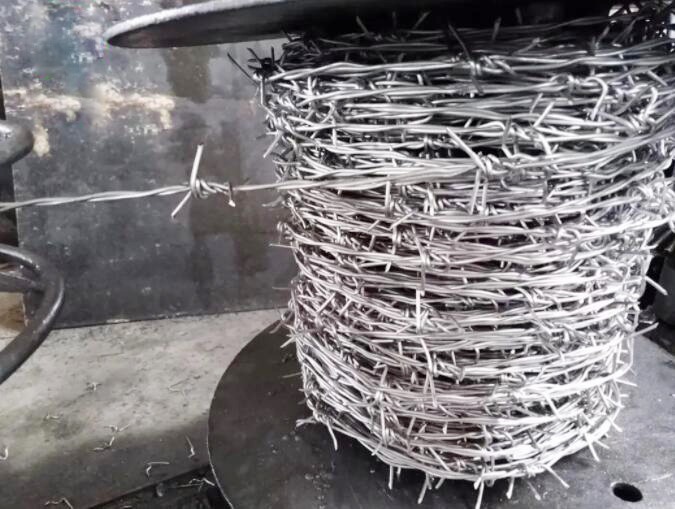
Soft Galvanized Iron (GI) wire is a ferrous metal wire coated with a layer of zinc through a galvanization process. This coating provides corrosion resistance, making it a vital component across diverse industries including agriculture, construction, telecommunications, and manufacturing. Unlike harder GI wires, soft GI wire possesses a lower tensile strength and higher ductility, facilitating ease of bending and manipulation. Its primary position within the industrial chain is as a foundational material for binding, tying, and supporting applications. Core performance characteristics encompass formability, corrosion resistance dependent on zinc coating thickness, tensile strength (generally lower compared to hard GI wire), and electrical conductivity. The growing demand stems from infrastructural developments, agricultural expansion, and increasing requirements for secure fastening solutions. A key industry pain point revolves around inconsistent zinc coating quality leading to localized corrosion and premature failure, and managing the balance between cost and longevity of the wire.
Material Science & Manufacturing
The primary raw material for soft GI wire is low-carbon steel, typically SAE 1008 or similar grades, chosen for its ductility. The steel’s composition impacts its formability and weldability. The galvanization process utilizes zinc, often in a purity exceeding 99.9%. Zinc's protective mechanism relies on its sacrificial corrosion properties; it corrodes preferentially to the steel, preventing rust. Manufacturing begins with wire drawing, reducing the steel rod's diameter to the desired gauge. This process introduces work hardening, subsequently addressed through annealing – a heat treatment process (typically around 600-700°C) that restores ductility. Galvanization can be achieved through hot-dip galvanizing, electro-galvanizing, or zinc-spray coating. Hot-dip galvanizing involves immersing the wire in molten zinc, resulting in a thicker, more durable coating. Electro-galvanizing uses an electrolytic process for a thinner, more uniform coating. Key parameter control involves maintaining precise annealing temperatures to avoid grain growth, monitoring zinc bath composition for optimal coating adherence, and controlling cooling rates to prevent coating defects like spangling (excessive zinc crystallization). Chemical compatibility is crucial; exposure to certain chemicals (acids, alkalis) can accelerate zinc corrosion. The wire's mechanical properties are significantly influenced by the final heat treatment and coating thickness.
Performance & Engineering
The performance of soft GI wire is dictated by its mechanical properties and corrosion resistance. Force analysis reveals that its lower tensile strength necessitates larger safety factors in applications where load-bearing capacity is critical. Ductility, however, allows for significant deformation before fracture, reducing the risk of brittle failure. Environmental resistance is primarily determined by the zinc coating thickness. The coating acts as a barrier against corrosive agents, but its effectiveness diminishes over time due to zinc erosion. Exposure to chlorides (marine environments, de-icing salts) significantly accelerates corrosion. Compliance requirements vary based on application. Agricultural applications may require adherence to standards related to heavy metal content, while construction applications necessitate compliance with building codes regarding structural integrity. The wire's electrical conductivity is relevant in grounding applications; while not a primary function, the zinc coating provides a conductive path. Furthermore, understanding the creep behavior of the wire is vital in long-term binding applications where sustained loads are applied. This requires analyzing the time-dependent deformation under constant stress. Fatigue performance is crucial if the wire undergoes cyclical loading; repeated bending can lead to premature failure if the bending radius is too small.
Technical Specifications
| Parameter | Typical Value (Soft GI Wire) | Testing Standard | Unit |
|---|---|---|---|
| Tensile Strength | 350-450 | ASTM A641 | MPa |
| Zinc Coating Weight | 40-60 | ASTM B117 | g/m² |
| Diameter | 0.8 – 4.0 | ISO 9384 | mm |
| Elongation | 15-25 | ASTM E8 | % |
| Hardness (Brinell) | 80-120 | ASTM E10 | HB |
| Corrosion Resistance (Salt Spray Test) | 240-720 | ASTM B117 | Hours to Red Rust |
Failure Mode & Maintenance
Common failure modes for soft GI wire include uniform corrosion (resulting from gradual zinc erosion), localized corrosion (pitting corrosion due to defects in the coating), and mechanical failure (fracture due to exceeding tensile strength or fatigue). Hydrogen embrittlement, occurring during the galvanizing process, can reduce ductility and promote cracking, particularly in high-strength steels. Delamination of the zinc coating can occur due to poor surface preparation prior to galvanization or due to thermal stress during cooling. Oxidation of the zinc coating, leading to white rust, is common in humid environments and can accelerate corrosion. Maintenance primarily involves protective measures. Regularly inspecting the wire for signs of corrosion, particularly in harsh environments, is crucial. Applying protective coatings (e.g., paints, sealants) over the galvanized surface can extend its lifespan. For agricultural applications, periodic replacement of wire sections is recommended to prevent catastrophic failure. Avoiding bending the wire beyond its allowable radius minimizes fatigue damage. In cases of localized corrosion, removing the damaged section and applying a zinc-rich coating can provide temporary repair, but complete replacement is often the most reliable solution. Proper storage in a dry environment is vital to prevent white rust formation.
Industry FAQ
Q: What is the impact of varying zinc coating thicknesses on the long-term performance of soft GI wire?
A: Thicker zinc coatings provide enhanced corrosion protection, extending the wire’s service life, particularly in aggressive environments. However, thicker coatings also increase cost and can lead to issues like spangling and reduced ductility. The optimal coating thickness is a trade-off between performance requirements, cost constraints, and application-specific factors. ASTM standards outline acceptable coating weight ranges for various service conditions.
Q: How does the annealing process affect the ductility and formability of soft GI wire?
A: Annealing is critical for restoring the ductility of the steel after the work hardening introduced during wire drawing. Properly controlled annealing temperatures and cooling rates result in a more uniform grain structure, enhancing formability and reducing the risk of cracking during bending and twisting. Insufficient annealing leads to a hard, brittle wire, while excessive annealing can result in grain growth and reduced strength.
Q: What are the primary causes of hydrogen embrittlement in galvanized wire, and how can it be mitigated?
A: Hydrogen embrittlement occurs when atomic hydrogen, generated during the pickling and galvanizing processes, diffuses into the steel and reduces its ductility. Mitigation strategies include using inhibitors in the pickling bath, controlling the galvanizing temperature, and employing a post-galvanizing baking process to drive out the hydrogen. Careful selection of steel grade is also crucial; certain alloys are more susceptible to hydrogen embrittlement than others.
Q: How does exposure to chlorides (e.g., saltwater, de-icing salts) accelerate corrosion of GI wire?
A: Chlorides penetrate the zinc coating and disrupt the passive protective layer, accelerating the corrosion process. They promote pitting corrosion, a localized form of corrosion that can rapidly weaken the wire. In marine environments or areas with heavy salt usage, thicker zinc coatings, supplementary protective coatings, or alternative materials (e.g., stainless steel) are recommended.
Q: What are the key differences between hot-dip galvanizing and electro-galvanizing in terms of coating characteristics and performance?
A: Hot-dip galvanizing produces a thicker, more durable coating with better adhesion to the steel substrate. It’s generally preferred for applications requiring long-term corrosion resistance. Electro-galvanizing yields a thinner, more uniform coating with a smoother surface finish. It’s often used for applications where appearance is important or where a precise coating thickness is required. However, electro-galvanized coatings typically offer less corrosion protection than hot-dip coatings.
Conclusion
Soft GI wire remains a cost-effective and versatile material for a wide array of binding and support applications. Its performance, however, is intrinsically linked to the quality of the zinc coating, the underlying steel’s properties, and the environmental conditions it’s exposed to. Understanding the potential failure modes – ranging from uniform corrosion to hydrogen embrittlement – is paramount for ensuring structural integrity and longevity.
Future developments are likely to focus on enhancing corrosion resistance through improved galvanizing techniques, exploring alternative coating materials (e.g., zinc-aluminum alloys), and developing advanced monitoring systems to detect early signs of corrosion. Optimizing the balance between cost, performance, and environmental sustainability will remain a key challenge for manufacturers and end-users alike.