




Introduction
Straight and cut wire constitutes a fundamental component in a vast array of industrial applications, spanning construction, manufacturing, agriculture, and beyond. This guide details the technical characteristics, manufacturing processes, performance criteria, and potential failure modes associated with these wire forms. While seemingly simple, the material selection, production techniques, and quality control measures directly impact the integrity and longevity of end products. In the industrial supply chain, straight wire serves as the base material for subsequent forming, drawing, and fabrication processes, while cut wire is frequently employed in pre-determined length applications requiring automated assembly or precise placement. Understanding the nuances of both forms is critical for optimizing performance, minimizing risk, and ensuring adherence to stringent industry standards. Core performance aspects center on tensile strength, ductility, corrosion resistance, and dimensional accuracy.
Material Science & Manufacturing
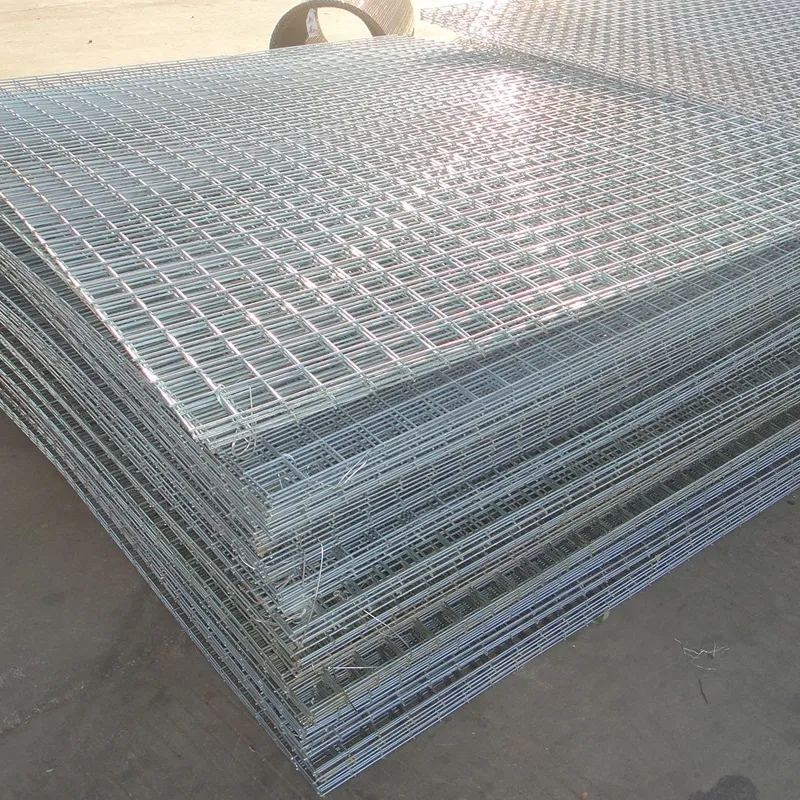
The primary raw material for both straight and cut wire is typically carbon steel, although stainless steel, aluminum, copper, and various alloy combinations are employed depending on the application demands. Carbon steel wires range from low-carbon (mild steel) to high-carbon varieties, influencing hardness and tensile strength. Stainless steel wires, notably austenitic grades like 304 and 316, offer superior corrosion resistance. Aluminum wire provides lightweight solutions, while copper wire excels in electrical conductivity. Manufacturing begins with the hot rolling of metal billets into wire rod. This rod undergoes subsequent cold drawing through a series of dies to achieve the desired diameter. Lubrication is crucial during drawing to reduce friction and prevent galling, commonly employing phosphate-based or soap-based lubricants. Straight wire is typically coiled for storage and transportation. Cut wire production involves a precision cutting process, utilizing rotary shears or abrasive cutting wheels. Key parameters in manufacturing include die angle, drawing speed, reduction ratio (the amount the wire diameter is reduced per pass), and annealing temperature. Annealing relieves internal stresses induced during cold working, enhancing ductility and formability. Surface treatment, such as galvanization (zinc coating) or epoxy coating, is often applied to improve corrosion resistance and provide specific functionalities. Material composition verification through techniques like Optical Emission Spectroscopy (OES) and mechanical property testing (tensile, yield, elongation) are essential quality control measures.
Performance & Engineering
Performance of straight and cut wire is fundamentally governed by its mechanical properties. Tensile strength, measured in MPa or psi, dictates the load-bearing capacity of the wire. Yield strength represents the point at which permanent deformation occurs. Ductility, quantified by elongation at break, indicates the wire's ability to deform plastically before fracturing. For applications involving bending or forming, ductility is paramount. Environmental resistance is critical, particularly in corrosive environments. Galvanized coatings provide sacrificial protection, while stainless steel alloys inherently resist corrosion. Fatigue resistance, the ability to withstand repeated loading cycles, is vital in dynamic applications. Wire diameter plays a significant role in both tensile strength and bending stiffness. The engineer must consider the anticipated load, operating temperature, corrosive environment, and required service life when selecting wire material and diameter. Finite Element Analysis (FEA) is often employed to simulate stress distributions and predict failure points under various loading scenarios. Compliance requirements depend on the industry. For example, construction applications necessitate adherence to building codes regarding wire gauge and load capacity. Medical applications require biocompatible materials and adherence to stringent sterilization protocols.
Technical Specifications
| Parameter | Low Carbon Steel Wire (e.g., 1008) | High Carbon Steel Wire (e.g., 1070) | Stainless Steel Wire (304) |
|---|---|---|---|
| Tensile Strength (MPa) | 400-550 | 800-1200 | 500-700 |
| Yield Strength (MPa) | 250-350 | 600-900 | 275-450 |
| Elongation (%) | 20-30 | 10-20 | 30-50 |
| Diameter Range (mm) | 0.5-5.0 | 0.3-4.0 | 0.3-6.0 |
| Corrosion Resistance | Low (Requires Coating) | Low (Requires Coating) | High |
| Hardness (Rockwell C) | 40-60 | 60-75 | 60-85 |
Failure Mode & Maintenance
Failure modes for straight and cut wire include tensile fracture, yielding, fatigue failure, and corrosion-induced degradation. Tensile fracture occurs when the applied load exceeds the ultimate tensile strength. Yielding results in permanent deformation, potentially compromising the wire's functionality. Fatigue failure arises from repeated cyclic loading, even at stresses below the yield strength. Corrosion, particularly in harsh environments, can weaken the wire and lead to premature failure. Hydrogen embrittlement, a specific form of corrosion, can occur in high-strength steels, reducing ductility and increasing susceptibility to cracking. Proper maintenance involves periodic inspection for signs of corrosion, wear, or damage. Protective coatings should be regularly checked for integrity and reapplied as necessary. For galvanized wire, avoid mechanical damage to the coating, as this exposes the underlying steel to corrosion. In applications involving dynamic loading, consider implementing preventative maintenance schedules to replace wires before they reach their fatigue limit. When storing wire, protect it from moisture and corrosive agents. Failure analysis techniques, such as fractography (examination of fracture surfaces) and metallographic analysis, can help determine the root cause of failure and prevent recurrence.
Industry FAQ
Q: What is the impact of cold working on the mechanical properties of steel wire?
A: Cold working, such as drawing, increases the tensile strength and yield strength of steel wire, but simultaneously reduces its ductility and elongation. This is due to the introduction of dislocations into the material's crystal structure. Annealing is typically performed after cold working to restore ductility and relieve internal stresses.
Q: How does the choice of lubricant affect the drawing process?
A: The lubricant significantly impacts the drawing process by reducing friction between the wire and the die, preventing galling and surface damage. The lubricant must provide adequate lubrication, cooling, and cleaning action. Improper lubrication can lead to increased die wear, surface defects, and reduced wire quality.
Q: What are the key differences between galvanized and stainless steel wire in terms of corrosion resistance?
A: Galvanized steel wire provides sacrificial protection – the zinc coating corrodes preferentially, protecting the underlying steel. This is effective but the protection is limited by the coating thickness and can be compromised by mechanical damage. Stainless steel wire, particularly austenitic grades, inherently resists corrosion due to the formation of a passive chromium oxide layer on the surface. Stainless steel offers superior long-term corrosion resistance, but is generally more expensive.
Q: What is the effect of wire diameter on bending stiffness?
A: Bending stiffness increases proportionally to the fourth power of the wire diameter (EI, where E is Young’s modulus and I is the area moment of inertia). This means that a small increase in diameter can significantly increase the wire's resistance to bending. This is crucial in applications requiring precise shape retention.
Q: How does hydrogen embrittlement affect high-strength steel wire?
A: Hydrogen embrittlement occurs when hydrogen atoms diffuse into the steel lattice, reducing its ductility and increasing its susceptibility to cracking under tensile stress. This is particularly problematic in high-strength steels. Preventative measures include controlling the manufacturing environment to minimize hydrogen ingress and using appropriate coatings.
Conclusion
Straight and cut wire, while seemingly basic components, are subject to a complex interplay of material science, manufacturing processes, and engineering considerations. Optimizing performance necessitates careful selection of materials based on application demands, meticulous control of manufacturing parameters to achieve desired mechanical properties, and thorough understanding of potential failure modes. The selection process isn't simply about cost, but a holistic evaluation of long-term reliability and safety.
Future advancements in wire manufacturing will likely focus on developing new alloys with enhanced strength and corrosion resistance, improving coating technologies for extended service life, and implementing advanced process control techniques for tighter dimensional tolerances. Furthermore, sustainable manufacturing practices, such as reducing waste and minimizing energy consumption, will become increasingly important. A comprehensive understanding of these technical aspects is critical for engineers, procurement managers, and manufacturers alike.