



Introduction
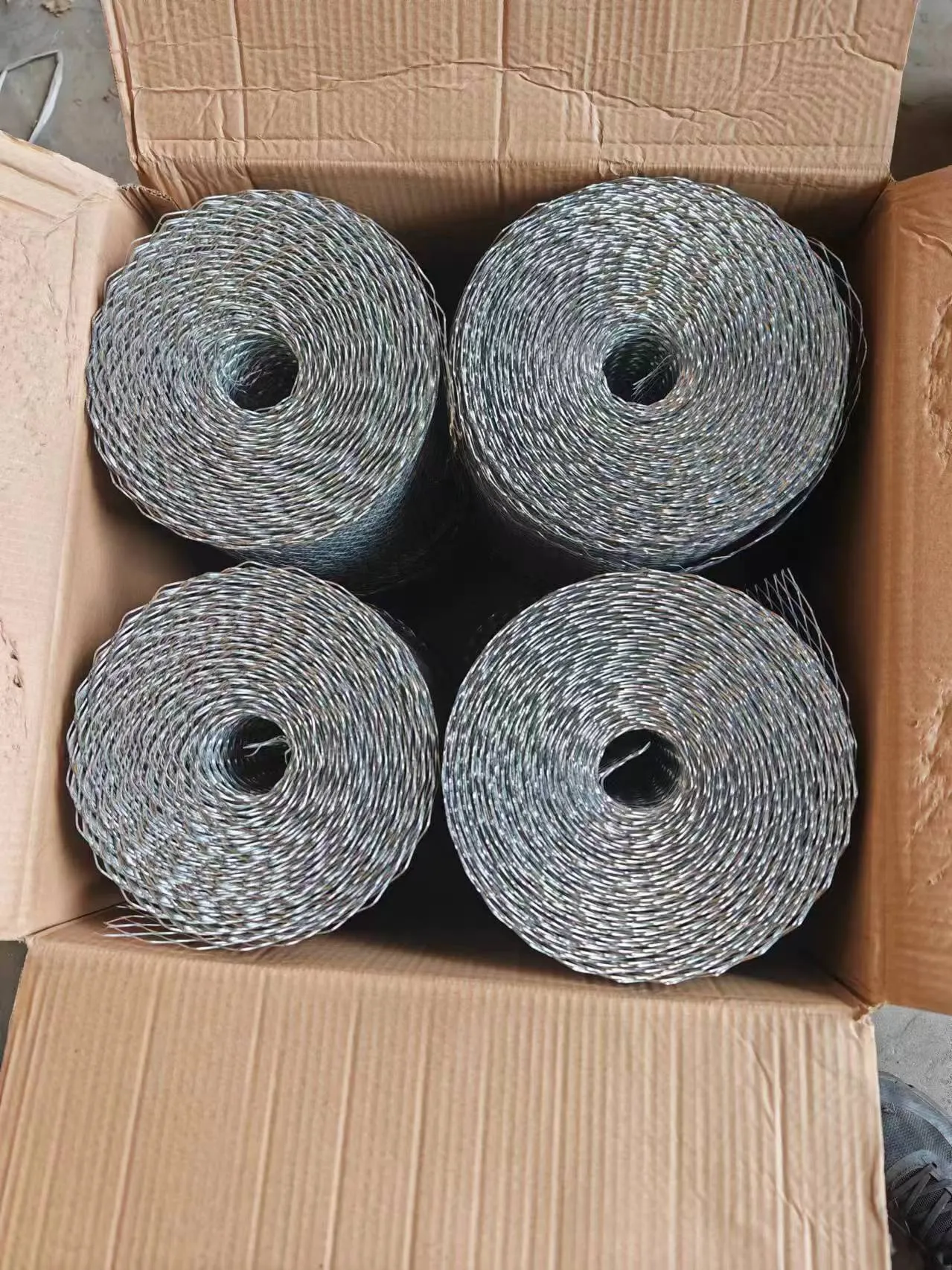
Thin galvanised wire, defined as low-carbon steel wire coated with a zinc layer, represents a critical fastening and construction material across diverse industrial sectors. Its position in the value chain extends from raw material sourcing (steel billets and zinc ingots) through wire drawing, galvanisation, and subsequent fabrication into finished products like fences, cables, mesh, and spring components. The core performance characteristics—tensile strength, ductility, corrosion resistance, and electrical conductivity—dictate its suitability for these applications. A primary industry pain point resides in balancing cost-effectiveness with longevity; a thinner zinc coating reduces material cost but compromises corrosion protection, necessitating a thorough understanding of operational environment and coating specifications. Furthermore, consistency in zinc layer adhesion and avoidance of hydrogen embrittlement during the galvanisation process are significant challenges impacting product reliability.
Material Science & Manufacturing
The fundamental material for thin galvanised wire is typically low-carbon steel (e.g., SAE 1008, 1010) selected for its ductility and weldability. The steel’s composition influences its tensile strength, yield strength, and susceptibility to corrosion. Zinc, chosen for its sacrificial anodic protection of the underlying steel, is applied via hot-dip galvanisation, electrogalvanisation, or zinc-coating via vapour deposition. Hot-dip galvanisation, the most common method, involves immersing the cleaned steel wire into a molten zinc bath (typically 98% pure zinc with minor additions of aluminium and silicon to refine grain structure and improve coating adherence). Critical parameters during hot-dip galvanisation include bath temperature (450-460°C), immersion time (dependent on wire diameter), and withdrawal speed. Electrogalvanisation employs an electrolytic cell to deposit zinc ions onto the steel surface, offering tighter control over coating thickness but potentially exhibiting lower adhesion. Post-galvanisation treatments, such as passivation (chromate conversion coatings, now increasingly replaced by RoHS-compliant alternatives), enhance corrosion resistance. Hydrogen embrittlement, a significant risk during acid pickling (cleaning steel prior to galvanisation) and the galvanisation process itself, requires bake-out procedures to diffuse hydrogen from the steel lattice, preventing delayed cracking.
Performance & Engineering
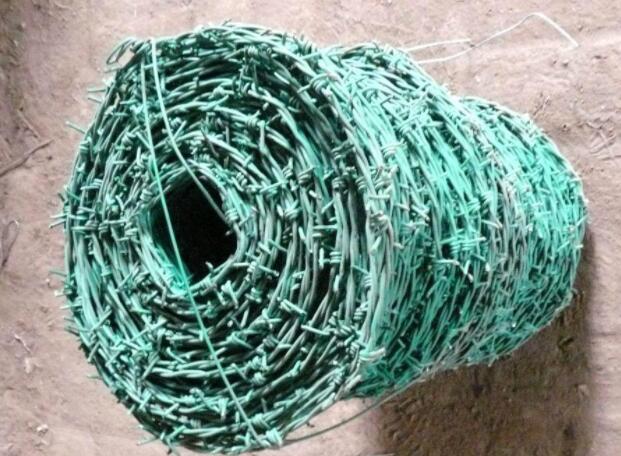
The performance of thin galvanised wire is governed by several engineering considerations. Tensile strength, determined by the steel core's grade and the wire drawing process, must withstand anticipated loads. A typical tensile strength for low-carbon galvanised wire ranges from 350-500 MPa, depending on diameter and processing. Corrosion resistance is directly proportional to zinc coating thickness and the environmental conditions. Coastal environments with high salinity demand thicker coatings. Galvanic corrosion can occur when galvanised wire is in contact with dissimilar metals (e.g., copper, aluminum) in the presence of an electrolyte, necessitating insulation or appropriate material selection. The zinc coating provides cathodic protection to the steel, corroding preferentially. Environmental resistance encompasses UV exposure, temperature cycling, and resistance to specific chemical agents. For applications involving mechanical bending, ductility (expressed as elongation percentage) is crucial to prevent cracking. Compliance requirements, such as RoHS (Restriction of Hazardous Substances) and REACH (Registration, Evaluation, Authorisation and Restriction of Chemicals), dictate permissible levels of restricted substances in the manufacturing process and finished product. Force analysis, considering static and dynamic loads, informs wire diameter selection to ensure structural integrity and prevent premature failure.
Technical Specifications
| Diameter (mm) | Zinc Coating Thickness (µm) | Tensile Strength (MPa) | Elongation (%) |
|---|---|---|---|
| 0.8 | 10-15 | 380-450 | 12-18 |
| 1.0 | 15-20 | 400-500 | 15-20 |
| 1.2 | 20-25 | 420-520 | 18-22 |
| 1.5 | 25-30 | 450-550 | 20-25 |
| 2.0 | 30-40 | 480-600 | 22-28 |
| 2.5 | 40-50 | 500-650 | 25-30 |
Failure Mode & Maintenance
Failure modes for thin galvanised wire are predominantly linked to corrosion, mechanical stress, and coating defects. Uniform corrosion occurs when the zinc layer is consumed evenly, providing protection until depletion. Localised corrosion, including pitting and crevice corrosion, arises from imperfections in the zinc coating or exposure to concentrated electrolytes. Hydrogen embrittlement, previously mentioned, can lead to delayed cracking under tensile stress. Fatigue cracking can occur in applications involving repeated bending or vibration. Coating defects, such as porosity, voids, and incomplete coverage, accelerate corrosion. Delamination, the separation of the zinc coating from the steel substrate, signifies poor adhesion. Maintenance strategies focus on preventative measures. Periodic inspection for corrosion, particularly in harsh environments, is crucial. Re-galvanisation or application of protective coatings (e.g., epoxy, polyurethane) can extend service life. For applications prone to mechanical stress, regular assessment for cracks and fatigue damage is recommended. Proper storage, avoiding exposure to moisture and corrosive agents, is essential. Cleaning the wire periodically to remove contaminants enhances corrosion resistance. Avoid using abrasive cleaning methods that can damage the zinc coating.
Industry FAQ
Q: What is the impact of different zinc coating methods (hot-dip vs. electrogalvanisation) on the long-term performance of the wire?
A: Hot-dip galvanisation generally provides a thicker, more robust zinc coating with superior adhesion, leading to longer corrosion protection compared to electrogalvanisation. However, electrogalvanisation offers greater control over coating thickness and uniformity, making it suitable for applications requiring precise dimensions and a smoother finish. The choice depends on the severity of the corrosive environment and the application's specific requirements.
Q: How does the steel substrate’s carbon content affect the galvanisation process and the final product's properties?
A: Higher carbon content in the steel substrate can lead to a thicker reaction layer formation during hot-dip galvanisation, potentially reducing zinc coating adhesion. Low-carbon steel is preferred for its ductility and good galvanisability. The steel's surface condition, including cleanliness and the presence of mill scale, also significantly impacts coating adherence.
Q: What are the common causes of hydrogen embrittlement in galvanised wire and how can it be mitigated?
A: Hydrogen embrittlement occurs due to hydrogen atoms diffusing into the steel lattice during acid pickling and the galvanisation process. This weakens the steel, leading to delayed cracking. Mitigation strategies include using inhibited pickling acids, controlling the galvanisation temperature and time, and performing a bake-out process (heating the wire after galvanisation to diffuse the hydrogen).
Q: What role do passivation treatments play in enhancing the corrosion resistance of galvanised wire?
A: Passivation treatments, traditionally chromate conversion coatings, create a protective layer on the zinc surface, further inhibiting corrosion. However, due to environmental concerns regarding hexavalent chromium, RoHS-compliant alternatives, such as trivalent chromium passivation and non-chromium based passivates, are now widely used. These treatments improve corrosion resistance and provide a more aesthetically pleasing finish.
Q: How does the diameter of the wire influence its tensile strength and suitability for different applications?
A: Generally, increasing the wire diameter increases its tensile strength. However, the relationship isn't linear, as the steel’s composition and drawing process also play a role. Thicker wires are suitable for applications requiring higher load-bearing capacity, while thinner wires are used in applications where flexibility and conformability are paramount. Correct wire diameter selection is crucial to ensure structural integrity and prevent premature failure.
Conclusion
Thin galvanised wire remains a fundamental material in numerous industrial applications, prized for its balance of cost, strength, and corrosion resistance. A comprehensive understanding of the material science, manufacturing processes, and potential failure modes is essential for selecting the appropriate wire specification for a given environment and application. Optimizing parameters throughout the galvanisation process, specifically controlling zinc coating thickness and mitigating hydrogen embrittlement, are key to maximizing product lifespan and reliability.
Future trends indicate a growing emphasis on environmentally friendly galvanisation processes, with ongoing research focused on developing RoHS-compliant passivation treatments and reducing zinc consumption without compromising corrosion protection. Further advancements in steel alloy development and wire drawing techniques will contribute to enhancing the mechanical properties of thin galvanised wire, extending its application range and addressing the evolving demands of various industries.