



Introduction
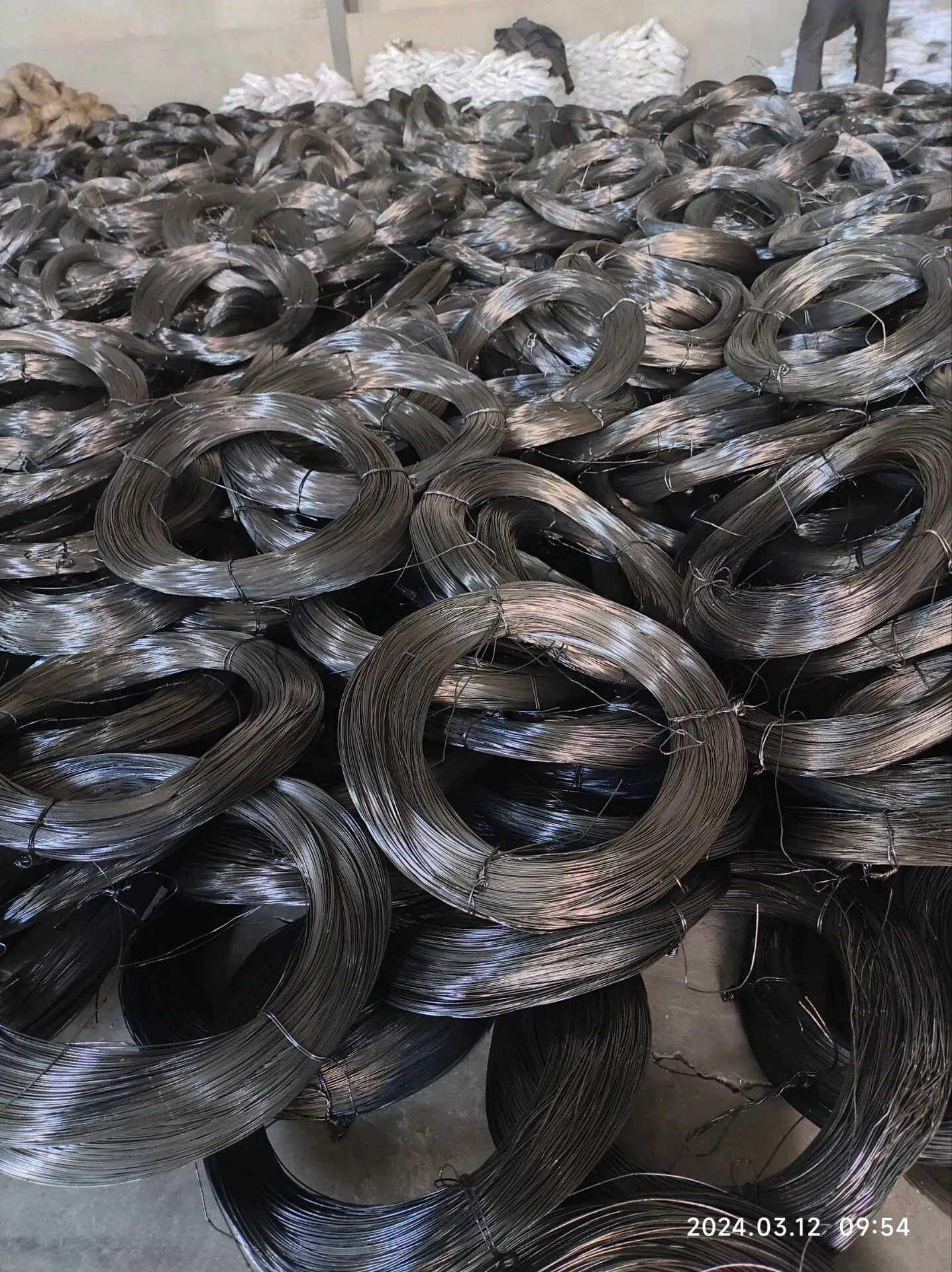
Thin galvanized wire is a ferrous metal product formed by drawing steel rod through a die to achieve a desired diameter, subsequently coated with a protective layer of zinc. It occupies a critical position in numerous industries, including agriculture, construction, telecommunications, and manufacturing, serving as a versatile component in fencing, cabling, binding, and protective cages. Its primary function is to provide a combination of tensile strength and corrosion resistance, offering a cost-effective alternative to other materials like stainless steel or non-ferrous alloys. Core performance characteristics include its yield strength, elongation, zinc coating thickness, and adherence to specific diameter tolerances, all of which dictate its suitability for intended applications. A key industry pain point centers around achieving consistent zinc coating uniformity and preventing premature corrosion, particularly in harsh environmental conditions or when exposed to specific chemical agents. Understanding the interplay between steel substrate metallurgy, galvanization process parameters, and external factors is essential for optimizing performance and lifespan.
Material Science & Manufacturing
The base material for thin galvanized wire is typically low-carbon steel, commonly SAE 1008 or similar grades, chosen for its ductility and weldability. The steel’s composition influences its mechanical properties; manganese content affects strength and hardness, while phosphorus and sulfur levels must be carefully controlled to prevent brittleness. The galvanization process itself is predominantly carried out via hot-dip galvanizing. This involves cleaning the steel wire to remove mill scale and oxides, followed by fluxing with zinc ammonium chloride to promote zinc adhesion. The wire is then immersed in a molten zinc bath (typically 98% pure zinc) maintained at approximately 450-460°C. Crucially, the immersion time and withdrawal rate control the thickness of the zinc coating and the formation of the zinc-iron alloy layers (Fe-Zn). A typical coating structure consists of a gamma (Γ) layer, a delta (δ) layer, and an outer layer of pure zinc (η). The ratio and thickness of these layers determine corrosion resistance. Alternative methods, such as electro-galvanizing, offer more precise coating thickness control but generally provide lower corrosion protection. Wire drawing is a cold-working process; therefore, the steel undergoes strain hardening, increasing its tensile strength but reducing its ductility. Annealing processes are often employed post-drawing to restore ductility and improve formability. Precise control of drawing die angles, lubrication, and drawing speed are critical to avoid wire breakage and maintain dimensional accuracy.
Performance & Engineering
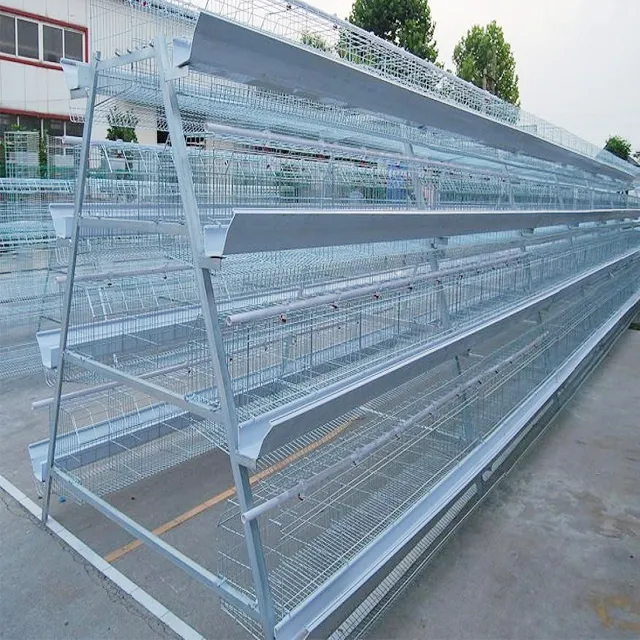
The performance of thin galvanized wire is heavily dictated by its tensile strength, elongation at break, and corrosion resistance. Tensile strength defines the maximum stress the wire can withstand before fracture, critical for applications like fencing and suspension cables. Elongation, measured as a percentage of original length, indicates ductility and its ability to deform before failure. Corrosion resistance relies on the sacrificial protection offered by the zinc coating. Zinc corrodes preferentially to the steel, preventing rust formation. However, this protection is not infinite. Factors influencing corrosion rates include exposure to salt spray, humidity, industrial pollutants (sulfur dioxide, chlorides), and temperature. Galvanized wire used in marine environments or chemically aggressive atmospheres requires thicker zinc coatings or additional protective measures. Force analysis in applications such as wire mesh or cages necessitates considering the load distribution and potential stress concentrations at bends or connection points. Finite element analysis (FEA) can be utilized to optimize wire gauge and configuration for specific loading scenarios. Compliance requirements vary based on application and geographical location. For example, agricultural fencing wire must meet standards for wire diameter, tensile strength, and zinc coating weight. Wire used in electrical applications must adhere to electrical conductivity and insulation standards. Environmental resistance is also a key factor; the zinc coating must remain intact and provide corrosion protection under specified operating conditions.
Technical Specifications
| Wire Diameter (mm) | Tensile Strength (MPa) | Zinc Coating Weight (g/m²) | Elongation at Break (%) |
|---|---|---|---|
| 0.8 | 380-450 | 40-60 | 15-20 |
| 1.0 | 400-500 | 60-80 | 12-18 |
| 1.2 | 420-550 | 80-100 | 10-16 |
| 1.6 | 450-600 | 100-140 | 8-14 |
| 2.0 | 500-650 | 120-160 | 6-12 |
| 2.5 | 550-700 | 150-200 | 5-10 |
Failure Mode & Maintenance
Common failure modes for thin galvanized wire include corrosion, fatigue cracking, and hydrogen embrittlement. Corrosion typically initiates at scratches or imperfections in the zinc coating, allowing moisture and corrosive agents to reach the steel substrate. ‘White rust’ (zinc corrosion) is an early indication of coating degradation. Fatigue cracking occurs under cyclical loading, particularly at bends or connection points. Microscopic cracks initiate and propagate over time, ultimately leading to wire fracture. Hydrogen embrittlement can occur during the hot-dip galvanizing process if the steel contains imperfections or residual stresses. Hydrogen atoms diffuse into the steel lattice, reducing its ductility and increasing its susceptibility to cracking. Preventative maintenance involves regular inspection for signs of corrosion, damage, or fatigue. Applying a protective coating (e.g., epoxy or polyurethane) over the galvanized wire can enhance corrosion resistance, particularly in harsh environments. For applications prone to fatigue, using thicker wire gauges or incorporating stress-relieving features can extend lifespan. If corrosion is detected, localized repair using zinc-rich paints or coatings can slow down further degradation. Complete replacement is necessary if significant corrosion or fatigue damage is present. Avoiding bending the wire sharply, or subjecting it to excessive tensile stress, during installation and operation are crucial to prevent premature failure.
Industry FAQ
Q: What is the impact of varying zinc coating thickness on the lifespan of the wire in a coastal environment?
A: In coastal environments, the corrosive effects of salt spray significantly accelerate corrosion rates. Increasing the zinc coating thickness provides a greater sacrificial barrier, extending the wire's lifespan. A minimum coating weight of 80-100 g/m² is generally recommended for coastal applications, with even higher coatings considered for more severe exposure. However, excessively thick coatings can become brittle and prone to cracking, so a balance must be achieved.
Q: How does the steel substrate's chemical composition affect the galvanizing process and the resulting corrosion resistance?
A: The steel's chemical composition is crucial. High levels of impurities like sulfur and phosphorus can negatively impact the adhesion of the zinc coating and reduce corrosion resistance. Carbon content also plays a role; higher carbon steels may exhibit reduced ductility and increased susceptibility to hydrogen embrittlement during galvanizing. Using low-carbon steel grades specifically designed for galvanizing is essential.
Q: What are the common causes of hydrogen embrittlement during hot-dip galvanizing, and how can it be mitigated?
A: Hydrogen embrittlement arises from the absorption of hydrogen atoms into the steel during the pickling and galvanizing stages. Factors contributing to this include the use of strong acids in pickling, the presence of imperfections in the steel, and residual stresses. Mitigation strategies include using inhibited pickling solutions, controlling the galvanizing bath composition, and performing a post-galvanizing baking treatment to drive out the absorbed hydrogen.
Q: Can thin galvanized wire be used in applications requiring welding? If so, what considerations are necessary?
A: Thin galvanized wire can be welded, but it requires careful consideration. The zinc coating vaporizes during welding, producing fumes that are hazardous to inhale. Proper ventilation and respiratory protection are essential. The zinc coating also lowers the weld’s corrosion resistance in the heat-affected zone. Post-weld treatments, such as zinc-rich paints or coatings, may be necessary to restore corrosion protection. Selecting appropriate welding parameters and filler metals is also crucial to ensure weld integrity.
Q: What are the key differences between hot-dip galvanizing and electro-galvanizing in terms of coating properties and cost-effectiveness?
A: Hot-dip galvanizing provides a thicker, more durable coating with superior corrosion resistance due to the formation of alloy layers. It is generally more cost-effective for large-volume production. Electro-galvanizing offers better coating uniformity and thickness control but typically results in a thinner coating with less corrosion protection. It is often preferred for applications requiring precise dimensional tolerances or aesthetic appearance.
Conclusion
Thin galvanized wire remains a foundational material across diverse industries due to its advantageous blend of strength, ductility, and corrosion resistance. Its manufacturing process, reliant on precise control of steel composition, hot-dip galvanization parameters, and post-processing treatments, directly impacts its performance characteristics. Understanding the potential failure modes – corrosion, fatigue, and hydrogen embrittlement – is crucial for implementing effective preventative maintenance and ensuring long-term reliability.
Future advancements in galvanizing technology may focus on developing environmentally friendly zinc alloys, improving coating uniformity, and enhancing corrosion resistance in aggressive environments. Continued research into alternative protective coatings and surface treatments will further expand the application range of thin galvanized wire, solidifying its position as a cost-effective and versatile engineering material. Careful material selection, diligent quality control, and adherence to relevant industry standards are paramount for achieving optimal performance and lifespan.