



Introduction
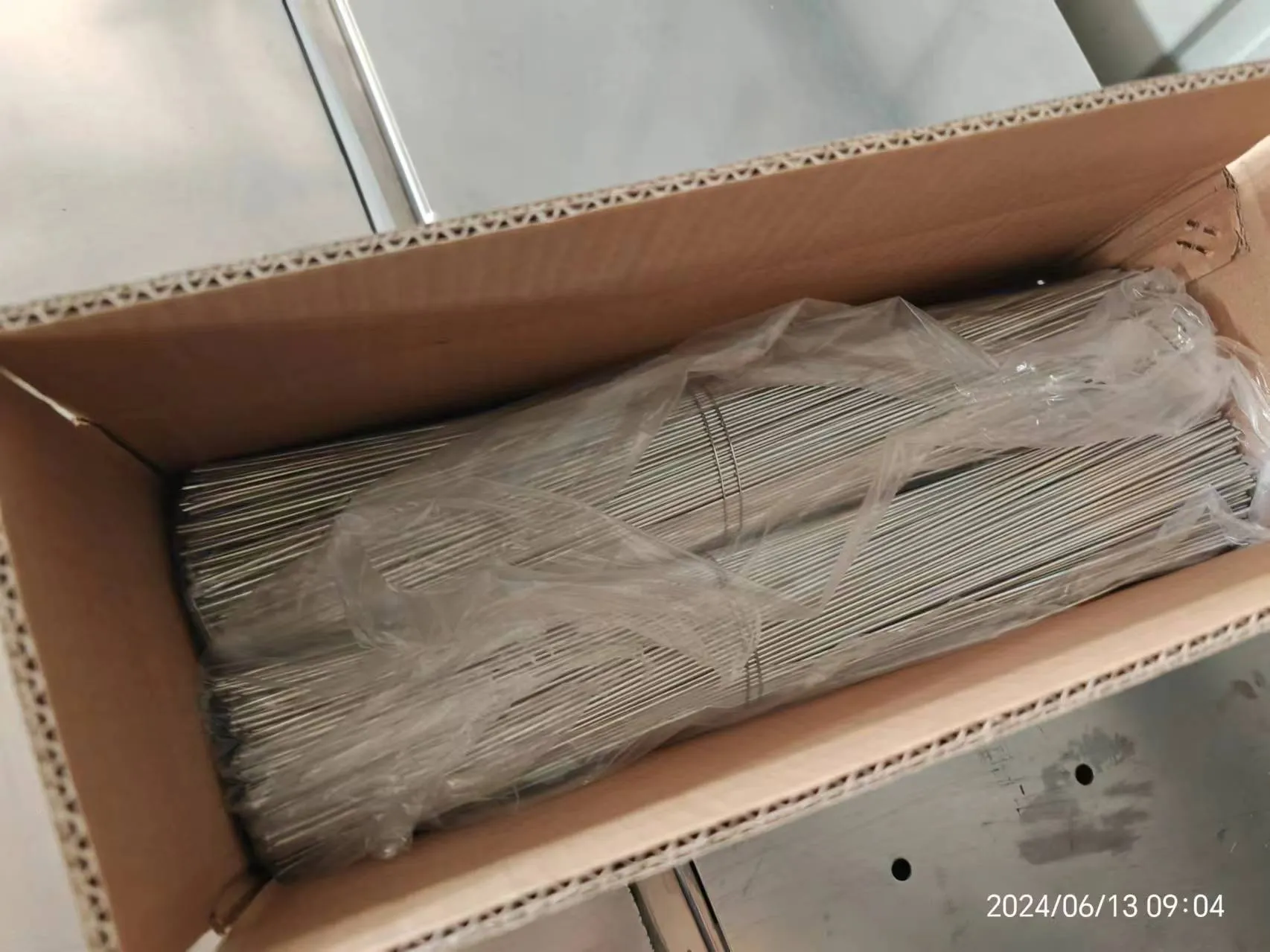
Wire collated nails represent a significant advancement in fastening technology, primarily utilized in the construction, woodworking, and packaging industries. Distinct from traditionally plastic collated nails, wire collated nails bind the fasteners together using a continuous wire, offering enhanced durability and reliability, especially in demanding applications. Their technical position within the industry chain falls between raw material supply (steel wire, nail steel) and end-use applications like framing, roofing, pallet manufacturing, and crating. Core performance characteristics are defined by their holding power, shear strength, withdrawal resistance, and consistency in application via pneumatic nail guns. The prevalent use of galvanized coatings, alongside alloy steel composition, directly impacts corrosion resistance and suitability for exterior projects. The industry currently faces challenges related to optimizing nail collation for efficient feeding in automated systems, minimizing splitting in hardwoods, and achieving consistent penetration depth across varying material densities. This guide will detail the material science, manufacturing processes, performance parameters, potential failure modes, and essential maintenance considerations for wire collated nails.
Material Science & Manufacturing
Wire collated nails are typically manufactured from high-carbon steel, specifically SAE 1049 or equivalent, selected for its balance of hardness, tensile strength, and ductility. The steel undergoes a cold heading process where wire is fed into dies and formed into the desired nail shape. This process work-hardens the steel, increasing its strength. The wire itself is drawn through progressively smaller dies to achieve precise diameter control, impacting gauge and penetration capability. The collation process involves continuously feeding the formed nails into a collation track, which is then securely bound by a binding wire, often also steel. This wire must exhibit sufficient tensile strength to withstand handling and the stress induced during nail gun actuation. Surface treatments are crucial; galvanized coatings (electro-galvanized, hot-dip galvanized, or mechanically galvanized) provide corrosion resistance. The depth and uniformity of the zinc coating directly correlate to the lifespan of the nail in exposed environments. Some manufacturers utilize polymer coatings or specialized alloys (e.g., incorporating copper) for enhanced performance in specific applications. Precise control of the heat treatment cycle (hardening, tempering) is paramount. Improper tempering can lead to excessive brittleness, increasing the risk of bending or shattering upon impact. Manufacturing tolerances are tightly controlled to ensure consistent nail dimensions, collation accuracy, and wire binding integrity. The binding wire characteristics – diameter, tensile strength, and surface finish – are critical to prevent jamming and misfeeds in nail guns.
Performance & Engineering
The performance of wire collated nails is governed by several key engineering principles. Shear strength, measured using ASTM F1766, dictates the nail's resistance to lateral forces, critical in framing and structural applications. Withdrawal resistance, the force required to pull the nail out of the substrate, depends on nail diameter, length, and the density of the wood. This is influenced by the friction between the nail shank and the wood fibers. Penetration depth is determined by the nail gun’s operating pressure, nail angle, and the target material’s hardness. Incorrect pressure can lead to either incomplete penetration or excessive bending. The collation angle significantly impacts feed reliability in nail guns. A consistent and accurate collation angle ensures smooth, uninterrupted nailing. Fatigue resistance is essential for applications subjected to cyclic loading, such as roofing or fencing. The steel’s ductility and the quality of the cold heading process contribute to its ability to withstand repeated stress. Corrosion resistance, as determined by salt spray testing (ASTM B117), is paramount for exterior applications. The zinc coating's thickness and uniformity directly influence the onset of corrosion. Bending moment capacity is a crucial parameter, especially in shear wall construction, ensuring the nail can withstand lateral forces without permanent deformation. The nail's shank design (smooth or ring shank) influences holding power; ring shanks provide increased friction and withdrawal resistance. Finite Element Analysis (FEA) is frequently employed during the design phase to optimize nail geometry and predict performance under various load conditions.
Technical Specifications
| Nail Diameter (Gauge) | Nail Length (inches) | Shank Type | Coating Type |
|---|---|---|---|
| 6d (0.113 inches) | 2.5 inches | Smooth | Bright (Uncoated) |
| 8d (0.131 inches) | 3.0 inches | Ring Shank | Electro-Galvanized |
| 10d (0.148 inches) | 3.5 inches | Screw Shank | Hot-Dip Galvanized |
| 12d (0.162 inches) | 4.0 inches | Smooth | Mechanically Galvanized |
| 16d (0.198 inches) | 4.5 inches | Ring Shank | Polymer Coated |
| 20d (0.230 inches) | 5.0 inches | Screw Shank | Stainless Steel |
Failure Mode & Maintenance
Wire collated nails are susceptible to several failure modes. Bending or shattering during impact is often caused by excessive force, insufficient tempering of the steel, or encountering knots or dense grain in the target material. Withdrawal failure occurs when the nail loses holding power due to insufficient shank engagement, corrosion, or cyclic loading. Shear failure results from exceeding the nail’s shear strength, typically in structural applications. Corrosion, particularly in untreated or poorly coated nails, weakens the steel and reduces holding power. Hydrogen embrittlement can occur in highly stressed, electro-galvanized nails, leading to premature failure. Wire breakage within the collation can lead to jamming and misfeeds in nail guns. To mitigate failures, proper nail selection is crucial, matching nail type and size to the application. Regular inspection of nail guns is essential to ensure correct operating pressure and alignment. Storage conditions should be dry and protected from moisture to prevent corrosion. When using galvanized nails, avoid contact with dissimilar metals (e.g., aluminum) to minimize galvanic corrosion. For high-corrosion environments, stainless steel or specialized alloy nails are recommended. Damaged or bent nails should be discarded. Periodic cleaning of nail guns is recommended to remove debris and ensure smooth operation. Proper collation and consistent wire binding are crucial for reliable feeding and preventing jams.
Industry FAQ
Q: What is the primary advantage of wire collated nails over plastic collated nails in terms of durability?
A: Wire collation provides significantly greater tensile strength and resistance to breakage compared to plastic collation, particularly in harsh environments or during rough handling. The continuous wire binding maintains nail integrity even when subjected to impacts or temperature fluctuations, whereas plastic collators can become brittle and fragmented.
Q: How does the galvanization process affect the long-term performance of wire collated nails exposed to outdoor elements?
A: The galvanization process creates a protective zinc coating that acts as a barrier against corrosion. The thickness and uniformity of this coating directly influence the nail's resistance to rust and degradation. Hot-dip galvanization generally provides superior corrosion protection compared to electro-galvanization.
Q: What nail shank design (smooth, ring, screw) offers the highest withdrawal resistance, and in what applications is this most beneficial?
A: Ring shank nails provide the highest withdrawal resistance due to the ridges that create increased friction between the nail shank and the wood fibers. This makes them ideal for applications requiring strong holding power, such as roofing, siding, and framing where resistance to pull-out is critical.
Q: What factors contribute to nail gun jamming with wire collated nails, and how can these be prevented?
A: Jamming can occur due to improper collation, damaged binding wire, incorrect nail gun pressure settings, or debris buildup within the nail gun mechanism. Ensuring accurate collation, using high-quality binding wire, maintaining appropriate pressure, and regular cleaning of the nail gun can significantly reduce the risk of jamming.
Q: What is the significance of the steel grade (e.g., SAE 1049) used in the manufacturing of wire collated nails?
A: The steel grade determines the nail’s mechanical properties, such as tensile strength, hardness, and ductility. SAE 1049 offers a balance of these properties, providing sufficient strength for penetration while maintaining enough ductility to resist bending or shattering. Using appropriate steel grade is vital for ensuring structural integrity and preventing premature failure.
Conclusion
Wire collated nails represent a robust and reliable fastening solution across diverse industrial applications. Their manufacturing process, rooted in precise material science and stringent quality control, directly impacts their performance characteristics, including shear strength, withdrawal resistance, and corrosion protection. Understanding the potential failure modes – bending, shear failure, corrosion, and jamming – is critical for proper nail selection, installation, and maintenance.
Continued advancements in coating technologies, alloy compositions, and collation techniques promise to further enhance the performance and longevity of wire collated nails. Adherence to relevant industry standards (ASTM, ISO) and a commitment to rigorous testing protocols are essential for ensuring consistent quality and reliability. Effective preventative maintenance of nail guns and proper storage of nails will maximize their lifespan and minimize the risk of premature failure, contributing to overall project efficiency and safety.