



can rats eat through wire mesh

Heavy-Duty Stainless Steel Rodent Barrier Mesh
In the world of pest control and infrastructure protection, one critical question often arises: can rats eat through wire mesh? The unfortunate answer is yes, if the mesh is made from inferior, soft materials. Our Heavy-Duty Stainless Steel Rodent Barrier Mesh is engineered to provide a definitive and permanent solution. Designed for B2B clients in construction, agriculture, warehousing, and municipal sectors, this high-tensile mesh creates an impenetrable physical barrier against rodents, safeguarding investments, ensuring hygiene, and preventing costly damage.
Product Overview
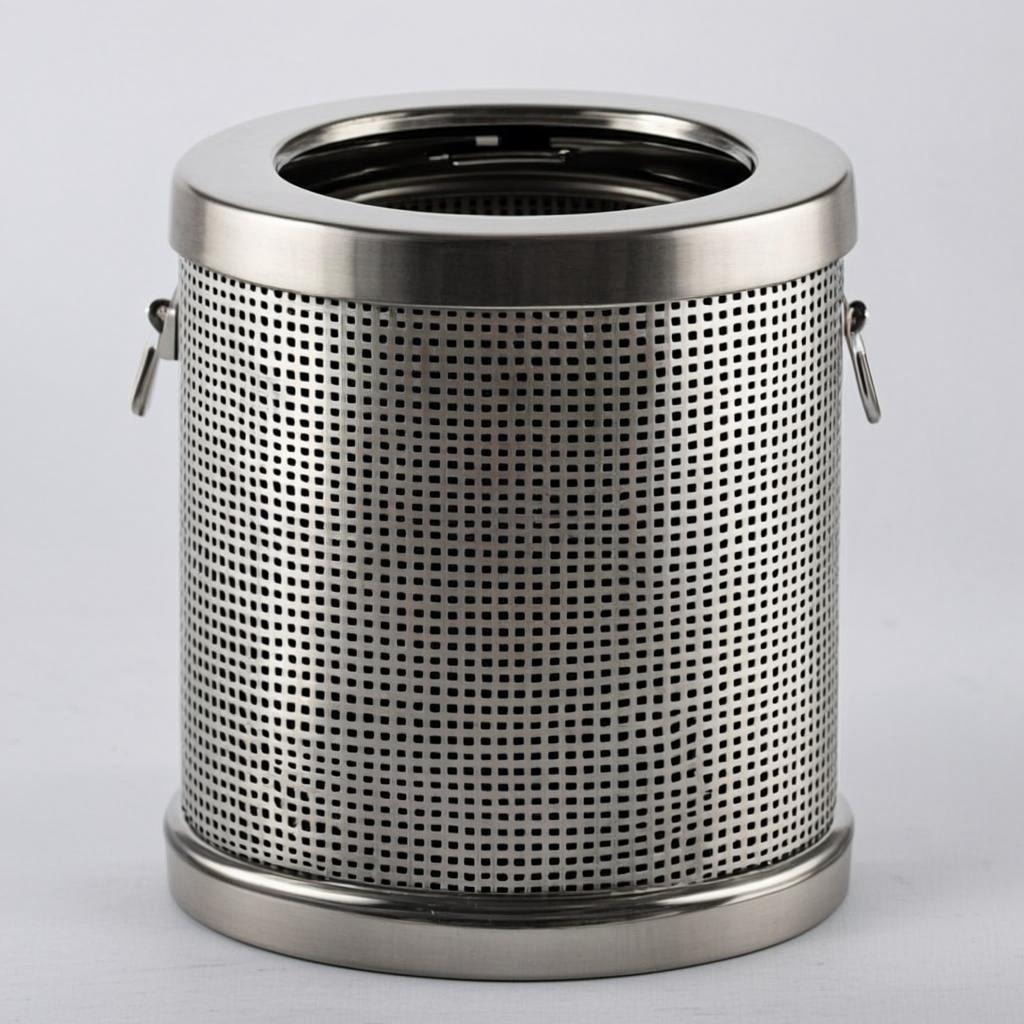
Our rodent barrier mesh is not a standard hardware cloth. It is a precision-engineered security product manufactured from 304-grade stainless steel. We address the core concern of whether rats can eat through wire mesh by utilizing a hard, high-carbon steel wire that is resistant to gnawing and corrosion. The mesh features a welded construction at every intersection, providing exceptional structural integrity and preventing rodents from prying wires apart. This product is the frontline defense for any application where excluding pests is non-negotiable.
Key Features
- Gnaw-Proof Construction: Made from hard-drawn, high-tensile stainless steel wire that exceeds the dentin hardness of rodent teeth, directly answering the concern: can rats eat through wire mesh? They cannot penetrate this barrier.
- Superior Corrosion Resistance: 304 stainless steel ensures long-term performance in humid, damp, or chemically challenging environments without rusting or weakening.
- Robust Welded Joints: Each wire intersection is securely welded, creating a rigid panel that prevents bending, bulging, and breach attempts.
- Versatile Format: Available in rolls and custom-sized panels for easy integration into new builds or retrofit protection projects.
- Safety-First Design: Smooth, burr-free edges ensure safe handling and installation for professionals.
Technical Specifications
| Specification | Detail |
|---|---|
| Material | 304 Stainless Steel |
| Wire Diameter | 0.7mm, 1.0mm, 1.2mm |
| Mesh Aperture | 6.5mm x 6.5mm (1/4"), 12.7mm x 12.7mm (1/2") |
| Standard Roll Dimensions | 1m x 30m, 1.2m x 30m (Custom widths/lengths available) |
| Panel Thickness | Rigid, non-flexible welded panel |
| Primary Finish | Mill finish, Electro-polished available |
| Temperature Resistance | -200°C to +700°C |
Application Scenarios
This barrier mesh is essential for any structure requiring long-term rodent exclusion. Its durability makes it ideal for:
- Building Construction: Lining underfloor cavities, wall voids, and roof spaces before cladding is installed.
- HVAC & Utility Protection: Shielding ductwork, pipe penetrations, cable conduits, and ventilation grilles.
- Agriculture & Food Storage: Securing grain silos, feed stores, packaging facilities, and compost areas.
- Waste Management: Reinforcing waste compaction units, dumpster enclosures, and recycling centers.
- Landscaping & Municipal: Protecting decorative tree bases, creating rodent-proof enclosures for substations, and lining drainage systems.
Advantages Over Standard Mesh
Choosing our specialized product over generic chicken wire or plastic netting offers tangible ROI:
- Total Barrier Security: Eliminates the risk of breach, ending the cycle of repair and re-infestation. This is the definitive solution to the question, "can rats eat through wire mesh?".
- Long-Term Cost Efficiency: The one-time installation lasts the lifetime of the structure, eliminating recurring pest control and repair bills.
- Compliance & Hygiene: Helps facilities meet stringent health, safety, and food hygiene regulations (e.g., AIB, BRCGS, FDA).
- Asset Protection: Prevents catastrophic damage to electrical wiring, insulation, and stored goods, which can lead to fire hazards and spoilage.
- Low Maintenance: Stainless steel requires no coatings, treatments, or replacements due to weathering.
Why Choose Our Rodent Barrier Mesh
As a specialist manufacturer, we provide more than just a product; we offer a partnership in protection.
- Engineering Expertise: Our mesh is designed based on zoological research into rodent behavior and bite force, ensuring it is truly gnaw-proof.
- Quality Assurance: Every batch undergoes tensile strength and weld-shear testing to guarantee it meets our rigorous performance standards.
- Customization & Support: We provide technical drawings, specification sheets, and project-specific fabrication (cut-to-size panels, special shapes).
- Global Supply Chain: Reliable bulk container (FCL) shipments with comprehensive documentation for smooth international trade.
- Proven Track Record: Trusted by contractors, government bodies, and multinational corporations for critical infrastructure projects worldwide.
Frequently Asked Questions (FAQ)
What makes your mesh different from hardware cloth?
Standard hardware cloth is often made from galvanized or mild steel with a softer temper. Our product uses a specific grade of hard-drawn stainless steel with a welded construction, making it orders of magnitude more resistant to gnawing and deformation.
Can rats eat through this stainless steel wire mesh?
No. The combination of material hardness (304 stainless), sufficient wire diameter (minimum 0.7mm), and welded grid creates a physical barrier that exceeds the gnawing capability of rats (Rattus norvegicus) and mice. This is the core problem we solve.
What mesh size is recommended?
For comprehensive exclusion of both rats and mice, we recommend the 6.5mm x 6.5mm (1/4 inch) aperture. For areas where only rats are a concern, the 12.7mm x 12.7mm (1/2 inch) aperture provides a strong, cost-effective barrier.
How is it installed?
The mesh is typically fastened using stainless steel staples, screws with washers, or rivets to wooden, metal, or masonry substrates. All penetration points in a structure should be covered, with the mesh secured tightly and edges sealed.
Do you offer samples for testing?
Yes. We encourage B2B clients to request sample swatches for their own evaluation and comparison. Contact our sales team to arrange samples and discuss your project specifications.