



sintered wire mesh

High-Performance Sintered Wire Mesh for Critical Industrial Filtration
In demanding industrial environments where standard filtration media fails, sintered wire mesh stands as the premier solution for high-temperature, high-pressure, and corrosive applications. This rigid, multi-layered material offers superior mechanical strength, precise pore size distribution, and exceptional resistance to thermal shock. Unlike woven mesh alone, sintered wire mesh is bonded at the molecular level, creating a monolithic structure that delivers consistent filtration performance over an extended service life. Whether used in chemical processing, petrochemical refining, or aerospace engineering, this advanced material ensures process reliability and product purity.
1. Product Overview
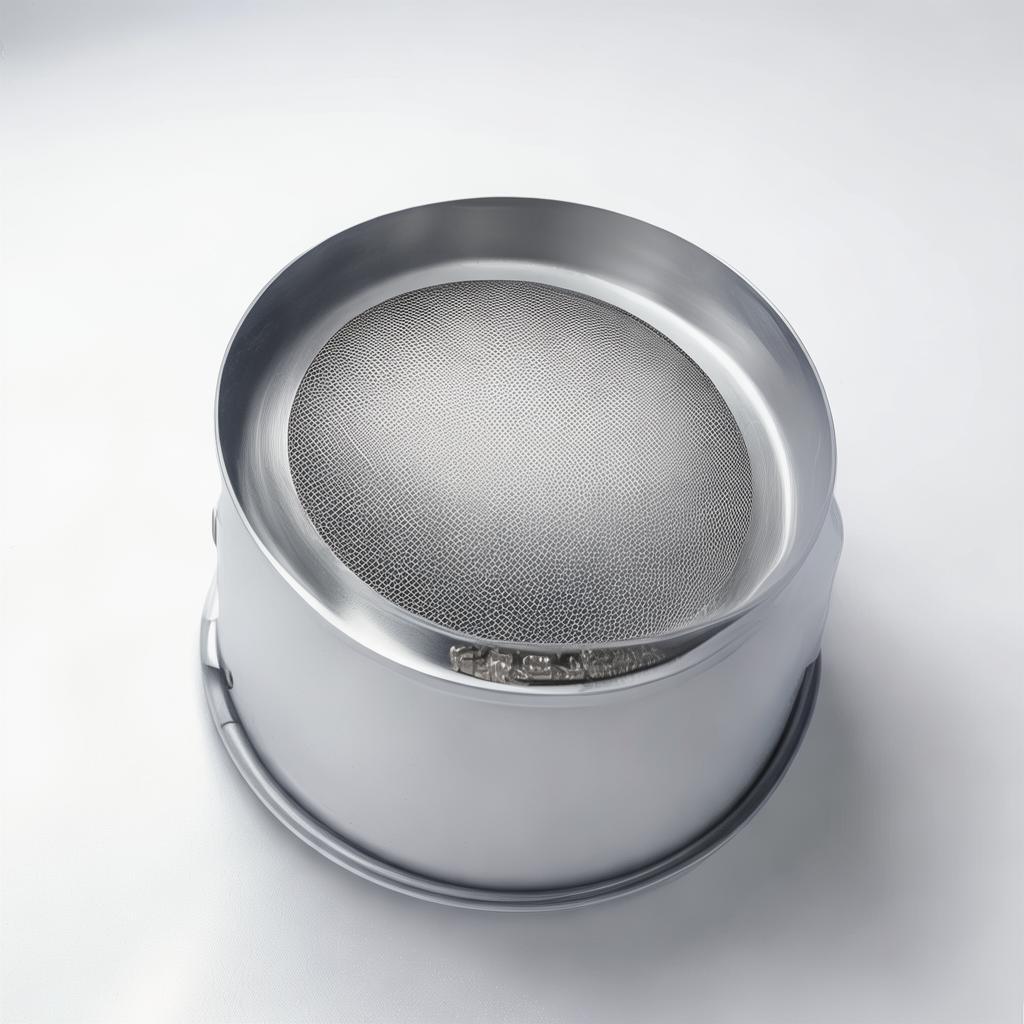
Our sintered wire mesh is manufactured by layering multiple stainless steel woven meshes and subjecting them to high-temperature vacuum sintering. This process fuses the wire intersections without the use of binders or adhesives, resulting in a porous, rigid, and highly permeable sheet. The material combines the filtration accuracy of fine woven wire with the structural integrity of a sintered plate. Available in various alloys including SS304, SS316L, Hastelloy, and Monel, it is engineered to withstand differential pressures up to 3.0 MPa and operating temperatures up to 600°C. Each batch is tested for bubble point, permeability, and thickness to ensure compliance with ISO 4003 and ASTM E128 standards.
2. Key Features
- Precise Filtration Rating: Absolute pore sizes from 1 micron to 1000 microns, with a tight tolerance of ±5%.
- High Mechanical Strength: Rigid structure resists deformation under backwash pressure and mechanical stress.
- Thermal Stability: Maintains dimensional integrity from cryogenic conditions up to 600°C.
- Corrosion Resistance: Suitable for acidic, alkaline, and solvent-based environments.
- Easy Cleanability: Fully backflushable and ultrasonic cleanable; surface regeneration extends service life by 300% compared to non-sintered mesh.
- Uniform Porosity: Consistent flow distribution eliminates channeling and dead zones in filter applications.
- Customizable Layering: Up to 7 layers can be combined for gradient filtration or enhanced strength.
3. Technical Specifications
| Parameter | Standard Range | Available Options |
|---|---|---|
| Filtration Rating (Absolute) | 1 – 1000 µm | ±5% tolerance on nominal pore size |
| Material | SS304 / SS316L | Hastelloy C276, Monel 400, Inconel 600 |
| Operating Temperature | -200°C to +600°C | Up to 800°C (Inconel grade) |
| Max Differential Pressure | 3.0 MPa | 5.0 MPa (reinforced structure) |
| Thickness | 1.0 mm – 5.0 mm | Custom up to 10 mm |
| Sheet Dimensions | 1000 x 1000 mm | Custom sizes up to 1500 x 2000 mm |
| Porosity | 30% – 45% | Variable per layer design |
| Bubble Point (ASTM E128) | Reported per batch | Certified for pharmaceutical use |
Note: All specifications are tested in accordance with ISO 4003 (bubble point) and ISO 4022 (permeability). Custom alloys and dimensions available upon request.
4. Application Scenarios
The unique properties of sintered wire mesh make it indispensable in the following industries:
- Chemical & Petrochemical: Catalyst recovery, reactor bed support, and polymer melt filtration. The material withstands aggressive solvents and high-temperature cracking processes.
- Pharmaceutical & Biotechnology: Sterile air venting, tablet coating fluidization, and active pharmaceutical ingredient (API) purification. FDA-compliant surface finish available.
- Aerospace & Defense: Hydraulic system filters, fuel nozzle screens, and environmental control system (ECS) filters. Meets MIL-F-8815 and NAS 1638 cleanliness standards.
- Water & Wastewater Treatment: Membrane pre-filtration, degassing diffusers, and trickling filter media. High dirt-holding capacity reduces backwash frequency.
- Food & Beverage: Edible oil polishing, beer filtration, and sugar syrup clarification. 3-A sanitary standard compliance available.
- Oil & Gas: Sand control screens, gas well deliquification, and produced water filtration. Suitable for sour gas (NACE MR0175) environments.
5. Advantages
Choosing sintered wire mesh over conventional filter media offers measurable operational benefits:
- Extended Service Life: The rigid sintered structure resists abrasion and fatigue, lasting 3–5 times longer than layered woven mesh or polymer filters.
- Lower Total Cost of Ownership: Reduced replacement frequency, lower labor costs for change-outs, and minimized downtime.
- Consistent Performance: Absolute pore rating ensures no particle bypass, even under fluctuating flow or pressure conditions.
- High Flow Capacity: Open area up to 45% combined with low pressure drop reduces energy consumption in pumping systems.
- Environmental Sustainability: Fully recyclable metal construction eliminates plastic waste from disposable filter cartridges.
- Process Safety: Non-shedding design prevents media migration into downstream equipment or final product.
6. Why Choose Us
As a specialized manufacturer with over 20 years of experience in sintered wire mesh production, we combine engineering precision with global supply chain reliability. Our facility is ISO 9001:2015 certified, and we maintain strict raw material traceability from mill to finished product. Every production batch undergoes bubble point verification, thickness measurement, and permeability testing before shipment. We offer free technical consultation for custom designs, including multi-layer gradient structures, edge welding, and frame mounting. Our lead times average 15–25 working days, with expedited options available for critical projects. Clients in over 40 countries trust us for consistent quality, competitive pricing, and responsive after-sales support.
7. FAQ
Q: What is the difference between sintered wire mesh and woven wire mesh?
A: Woven wire mesh is a flexible fabric where wires are only interlaced. Sintered wire mesh undergoes a high-temperature bonding process that fuses all wire intersections, creating a rigid, monolithic sheet. This eliminates wire shifting, provides absolute pore retention, and allows the material to withstand high differential pressure without delamination.
Q: Can sintered wire mesh be cleaned and reused?
A: Yes. Due to its rigid structure, it can be effectively cleaned via backwashing, ultrasonic cleaning, or chemical flushing. Proper cleaning can restore 95%+ of the initial flow capacity, making it a cost-effective alternative to disposable filters.
Q: What is the maximum operating temperature?
A: Standard SS316L grades operate up to 600°C in oxidizing atmospheres. For higher temperatures, Hastelloy or Inconel grades can withstand up to 800°C. Please consult our technical team for specific process conditions.
Q: Do you provide custom sizes or shapes?
A: Absolutely. We offer custom die-cutting, laser cutting, and stamping to produce discs, rectangles, cones, and cylinders. We can also weld edges or attach gaskets for installation-ready filter elements.
Q: How is the filtration rating verified?
A: Each batch is tested using the bubble point method per ASTM E128. For critical applications, we can provide a certificate of conformance with actual test data. Third-party testing is also available upon request.
Q: What is the minimum order quantity (MOQ)?
A: For standard sizes and materials, MOQ is 10 sheets. For custom specifications, MOQ is typically 50 sheets or as agreed per project. Sample orders are welcome for evaluation.