



wire mesh retaining wall

High-Performance Wire Mesh Retaining Wall for Erosion Control & Slope Stabilization
1. Product Overview
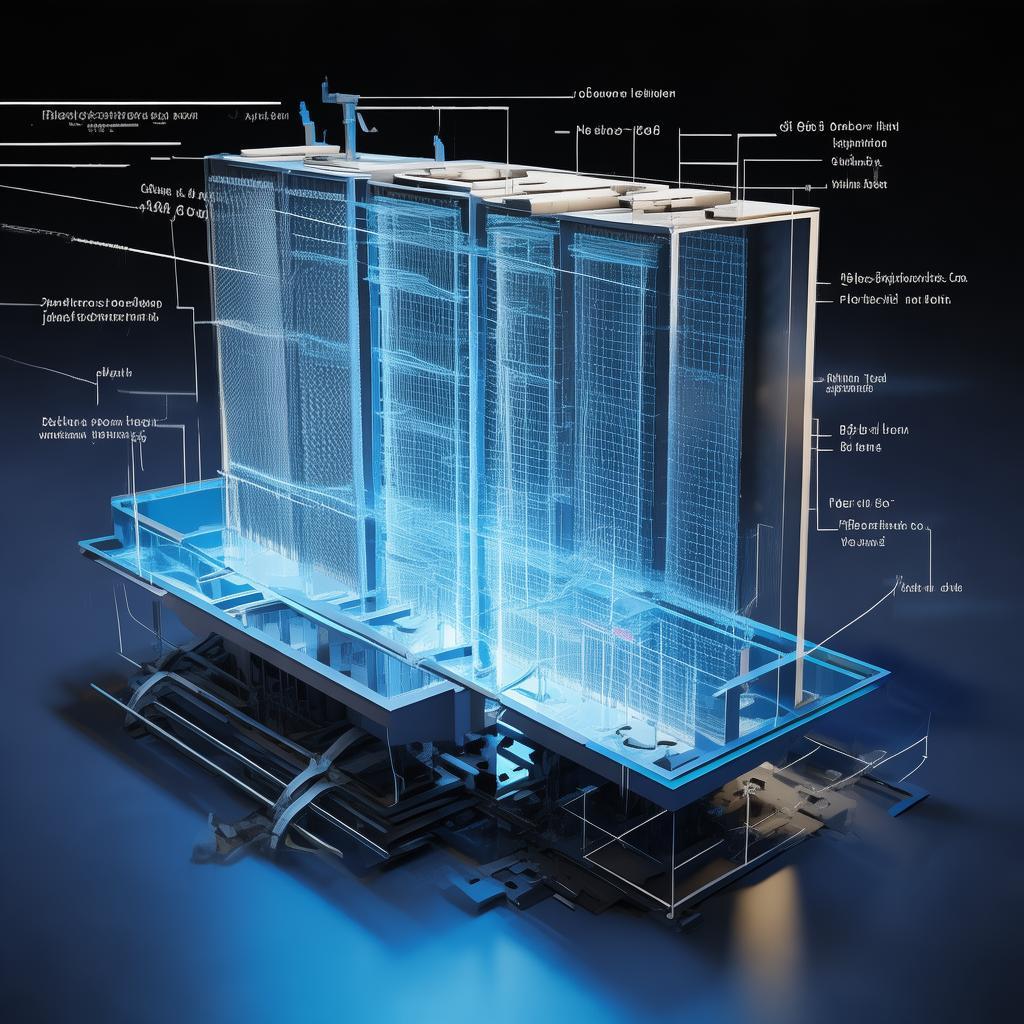
In modern civil engineering and landscape architecture, the wire mesh retaining wall has emerged as a superior alternative to traditional concrete or timber structures. Our engineered system combines high-tensile steel wire mesh with robust anchoring solutions to create a flexible, permeable, and durable retaining structure. Unlike rigid walls that fail under hydrostatic pressure, a wire mesh retaining wall adapts to ground movement while providing exceptional drainage, making it the ideal choice for challenging terrains, highway embankments, and residential landscaping.
Manufactured from corrosion-resistant galvanized or PVC-coated steel, this product offers a service life exceeding 50 years in most environments. It is designed to hold back soil, rock, and debris while allowing vegetation to grow through the mesh, creating a natural, aesthetically pleasing finish that blends seamlessly with the environment.
2. Key Features
- High Tensile Strength: Double-twisted hexagonal mesh (per EN 10223-3) with tensile strength up to 500 N/mm², capable of withstanding heavy lateral earth pressures.
- Superior Permeability: Open mesh structure eliminates hydrostatic pressure buildup, preventing wall collapse and reducing the need for complex drainage systems.
- Flexibility & Adaptability: The wire mesh retaining wall can accommodate differential settlement and seismic movements without cracking or fracturing.
- Eco-Integration: Openings allow for hydroseeding or natural vegetation growth, promoting slope stabilization through root reinforcement.
- Corrosion Resistance: Available in Galfan (Zn-5%Al) coating or heavy-duty PVC coating, tested per ASTM A641 for salt spray and UV resistance.
- Rapid Installation: Modular panels and pre-assembled units reduce on-site labor by up to 40% compared to conventional gabion or concrete walls.
- Low Maintenance: No painting, sealing, or joint repair required over the lifespan of the structure.
3. Technical Specifications
| Parameter | Standard Specification | Custom Range |
|---|---|---|
| Mesh Type | Double-twisted hexagonal (8x10 cm aperture) | 5x7 cm – 12x15 cm |
| Wire Diameter | 2.7 mm (core) / 3.4 mm (edge) | 2.0 mm – 4.0 mm |
| Coating | Galfan (Zn-5%Al) ≥ 250 g/m² | PVC (0.5 mm thick) or Zn-10%Al |
| Tensile Strength | ≥ 450 N/mm² | 350 – 550 N/mm² |
| Panel Dimensions (L x H) | 2.0 m x 1.0 m | 1.0 m – 4.0 m x 0.5 m – 2.0 m |
| Weight per m² | 8.5 kg (Galfan) | 6.0 – 12.0 kg |
| Anchoring System | Helical ground anchors (10 mm dia.) | Steel rebar or rock bolts |
| Service Temperature | -40°C to +80°C | N/A |
| Design Life | 50 years (standard environment) | Up to 100 years (marine coating) |
4. Application Scenarios
The versatility of the wire mesh retaining wall makes it suitable for a wide range of projects:
- Highway & Railway Embankments: Stabilizes steep slopes and prevents rockfall along transportation corridors. The mesh captures falling debris while allowing water to drain freely.
- Residential Landscaping: Creates tiered garden walls, terraces, and noise barriers. Vegetation growing through the mesh softens the visual impact.
- Mining & Quarry Sites: Controls erosion on spoil heaps and tailings dams. The flexible structure adapts to subsidence without failure.
- Coastal & Riverbank Protection: Resists wave action and scour. The permeable design reduces uplift forces during storm surges.
- Infrastructure Projects: Supports bridge abutments, culvert headwalls, and retaining structures in seismic zones.
5. Advantages
Compared to traditional retaining wall systems, our wire mesh retaining wall offers distinct benefits:
- Cost-Effective: 30–50% lower material and installation costs vs. reinforced concrete walls. No need for heavy equipment or skilled formwork labor.
- Environmental Compliance: 100% recyclable materials. The open mesh supports wildlife habitats and complies with LEED and BREEAM standards for sustainable construction.
- Seismic Performance: Tested to withstand M8.0 earthquakes per Eurocode 8. The mesh’s flexibility absorbs energy without brittle failure.
- Hydraulic Efficiency: Drainage coefficient > 0.8 (80% of water passes through), eliminating the need for weep holes or French drains.
- Rapid Deployment: A 100 m² wall can be installed by a 4-person crew in 2 days, compared to 5–7 days for concrete block systems.
6. Why Choose Us
As a leading manufacturer with 15 years of expertise in geotechnical solutions, we deliver unmatched quality and reliability:
- Certified Materials: All wire mesh is produced in ISO 9001:2015 and ISO 14001 certified facilities. Every batch is tested for tensile strength, coating thickness, and mesh uniformity.
- Engineering Support: Our in-house geotechnical engineers provide free design calculations, load analysis, and site-specific recommendations. We supply detailed shop drawings and installation manuals.
- Global Logistics: With warehouses in [Location A], [Location B], and [Location C], we ensure fast delivery to over 40 countries. Lead times average 15–20 working days.
- Warranty & After-Sales: 10-year structural warranty against manufacturing defects. Our technical team offers remote troubleshooting and on-site training upon request.
- Customization: We can produce non-standard mesh sizes, wire diameters, and coating colors (e.g., green or brown PVC for landscape integration) at no extra charge for orders over 500 m².
7. FAQ
Q: How does a wire mesh retaining wall differ from a gabion wall?
A: While both use wire mesh, gabion walls are gravity structures filled with stone. A wire mesh retaining wall is a tensioned system anchored into the slope, making it thinner (typically 10–20 cm) and more suitable for vertical or near-vertical applications. It uses less fill material and offers greater flexibility.
Q: Can the wire mesh retaining wall support heavy loads like vehicle traffic?
A: Yes, when combined with a geogrid or soil nail reinforcement, our system can support surcharge loads up to 20 kPa (equivalent to light vehicle traffic). For heavy truck loads, we recommend a hybrid design with concrete facing elements.
Q: What is the typical installation process?
A: The process involves: (1) Excavating a trench for the base; (2) Installing anchor rods at a 15–20° angle into the slope; (3) Unrolling and tensioning the wire mesh panels; (4) Connecting panels with helical fasteners; (5) Backfilling with granular soil and compacting; (6) Hydroseeding or planting vegetation. Full instructions are provided with every order.
Q: How does vegetation affect the wall’s performance?
A: Vegetation enhances the wall’s stability by reinforcing the soil with root systems. It also improves aesthetics and reduces surface erosion. The mesh is designed to allow stems and roots to pass through without compromising structural integrity.
Q: What is the maximum wall height achievable?
A: For a single-tier system, the maximum height is 6 meters (with geogrid reinforcement). Multi-tier terraced walls can reach heights of 15–20 meters. Each tier is separated by a 1-meter-wide bench to ensure stability.
Q: Do you provide free samples?
A: Yes, we offer free A4-sized sample panels (0.3 m x 0.3 m) for testing. Shipping costs apply for international requests, but the sample itself is complimentary. Contact our sales team to request a sample kit.